Top Emergency Plumbers in Kentucky, KS, 66066 | Compare & Call

There are 113 plumbing companies server in Kentucky KS
Razo’s Plumbing
Razo's Plumbing is a trusted, full-service plumbing company serving Olathe, KS homeowners and businesses. We specialize in comprehensive plumbing solutions, from routine repairs to complex installatio...

On Time Plumbing, Heating, Cooling & Electric is a trusted, licensed service provider for Lenexa homeowners. We specialize in comprehensive plumbing, HVAC, and electrical solutions, from routine maint...
KC Metro Plumbing is a trusted, local plumbing service provider serving the Lenexa, KS community. We understand that many area homes face plumbing challenges, including faulty sump pumps and disruptiv...
At Allen Plumbing in Tonganoxie, we love plumbing. We're a team of skilled, licensed plumbers who see your plumbing problem as our problem. We offer a wide range of services, from routine maintenance ...
Mr. Rooter Plumbing of Johnson County
Mr. Rooter Plumbing of Johnson County is your locally owned plumbing service in Olathe, KS, backed by a national brand with over 50 years of industry history. Founded in 1970 by David Duck, the compan...
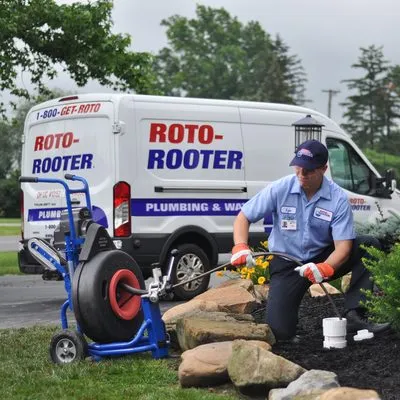
Roto-Rooter Plumbing & Water Cleanup
Roto-Rooter Plumbing & Water Cleanup is a trusted local provider serving Kansas City, KS with comprehensive plumbing and water damage solutions. We operate 24/7 with a fully staffed team of dependable...

Crosby Plumbing is a trusted, family-owned plumbing service based in Bonner Springs, KS, founded by local resident Mike Crosby. With deep roots in the community—Mike graduated from Bonner Springs High...

Integrity Plumbing Solutions is your trusted, local plumbing partner in Wellsville, KS. We specialize in both residential and commercial plumbing, handling everything from emergency repairs and leak f...
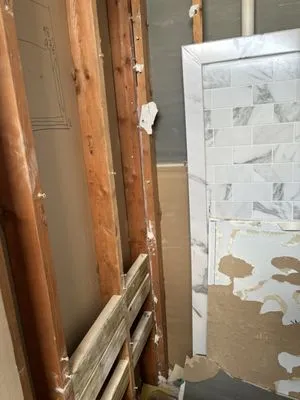
Five Star Bath Solutions of Kansas City KS
Hello, I'm Daniel Martins, owner of Five Star Bath Solutions of Kansas City KS. My team and I are dedicated to providing residents of Overland Park and the surrounding Kansas City area with reliable b...
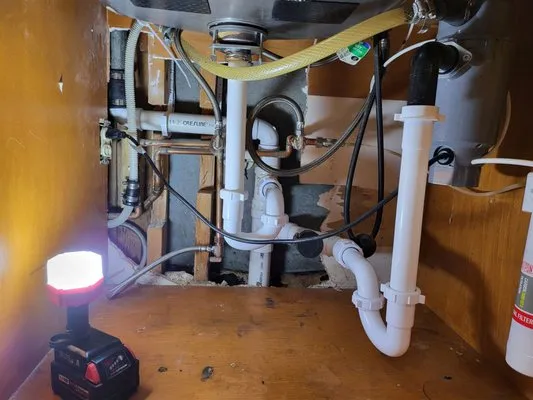
Blue Duck Plumbing is a trusted plumbing and drain cleaning company serving Lawrence, KS, and surrounding areas with over 15 years of hands-on experience. Founded and operated by Joseph Bradshaw, a li...
Estimated Plumbing Costs in Kentucky, KS
Question Answers
If I have a plumbing emergency in Kentucky, how quickly can a plumber get here?
Our typical dispatch route from the Central District puts us on I-70 within minutes. Heading past the Kentucky Historical Museum to access the interstate means we can reach most neighborhoods in the area within that 45-60 minute window, even during typical traffic. We prioritize emergency calls to keep that response time reliable.
Why do my 1980s copper pipes keep springing pinhole leaks?
Copper installed in 1986 is susceptible to pinhole leaks due to a process called type 2 pitting corrosion. Microscopic imperfections in the pipe's interior, combined with 40 years of water chemistry and flow, can create highly localized corrosion that eats through the wall. This is distinct from general wear and often clusters in horizontal runs or behind walls, making proactive inspection worthwhile.
My Kentucky home's copper pipes are from 1986. What should I watch for at this age?
Your copper plumbing is now 40 years old. In the Central District, that age often means a noticeable increase in pinhole leaks, especially at solder joints that have fatigued over decades. Homeowners report seeing small, persistent damp spots on walls or ceilings, often with a greenish-blue corrosion stain from the copper. This isn't a sign of poor original work; it's the natural lifecycle of the metal after thousands of heating and cooling cycles.
What's one plumbing tip for Kentucky's spring weather to avoid problems?
Before the spring thaw peaks, disconnect and drain your outdoor garden hoses. If left connected, water trapped in the hose can freeze and back up into the faucet and interior supply line, causing a split pipe. This simple step, often overlooked in our temperate climate, prevents one of the most common seasonal leaks we see after a cold night.
Does the flat land around Kentucky affect my home's drainage or sewer line?
The plain terrain here offers minimal natural slope for drainage. This can put static pressure on the main sewer line exiting your home, as effluent has to travel farther with less gravitational assist. It also means yard flooding during heavy rain has nowhere to go, which can saturate the soil and potentially stress buried pipe connections. Proper grading away from the foundation is critical.
How does our Kansas River water affect my home's plumbing and appliances?
Water sourced from the Kansas River is hard, meaning it has high mineral content. This leads to significant scale buildup inside water heaters, reducing efficiency and lifespan, and on faucet aerators and showerheads, restricting flow. Over time, scale can also insulate heating elements, causing them to overheat and fail. A softener is a common recommendation to protect the entire plumbing system.
What if a plumbing job requires permits or dealing with state offices?
For work that involves state-owned buildings or falls under specific codes, the Kansas Department of Administration Office of Facilities and Property Management may be involved. As a licensed professional, I handle that red tape, including pulling permits and scheduling inspections. My credentials are also on file with the Kansas Attorney General Consumer Protection Division, which provides recourse and standards for our work, so you don't have to navigate it alone.
Are there any special plumbing considerations for a home in rural Kentucky?
Rural settings here often mean private wells and septic systems, not municipal water and sewer. Well components like the pressure tank and pump require maintenance, and hard water is almost a given. Septic system health is entirely the homeowner's responsibility; avoiding grease and non-biodegradables is essential to prevent backups and costly field replacements.
