Top Emergency Plumbers in Gypsum, KS, 67037 | Compare & Call

There are 60 plumbing companies server in Gypsum KS
Central Consolidated
Central Consolidated has been a trusted mechanical and fire protection contractor in Wichita since 1959. We specialize in design-build services, maintenance, and 24-hour emergency repairs for plumbing...

Founded by Dan Ade, a 25-year industry veteran and former owner of PSI, a Salina-based regional lawn irrigation company, Kansas Backflow Testing was established in 2018. Recognizing a specific need fo...
Standard Plumbing, Heating & Air Conditioning
Standard Plumbing, Heating & Air Conditioning has been serving Manhattan, KS, and surrounding communities since 1923. As a veteran-owned business, we specialize in residential HVAC and plumbing servic...
United Heating, Cooling & Plumbing was founded in 1990 by brothers Joe and Jerry Lambert and their friend Mark McWilliams, who built the company on a straightforward promise: to do what they say, when...
For over three decades, Cooper Rooter has been the trusted local name for drain and sewer solutions in Junction City and across the Flint Hills. Owned and operated by Chad Cooper, our business is buil...

Summit Plumbing
Serving Salina, KS, Summit Plumbing is a full-service residential and commercial plumbing and HVAC provider. We specialize in addressing common local issues like toilet seal leaks and pipe corrosion, ...
J & Z Handyman Services is a full-service Abilene home repair and improvement company, trusted for both small fixes and major renovations. From appliance installation and furniture assembly to complet...
EO Plumbing is your trusted local plumbing service in Junction City, KS. We provide reliable solutions for everything from simple faucet repairs to complex sewer line projects, all handled with effici...

Rent-A-John LLC is a trusted, local waste management and plumbing resource for Salina residents and businesses. We provide a comprehensive range of services to keep homes and properties functioning sm...
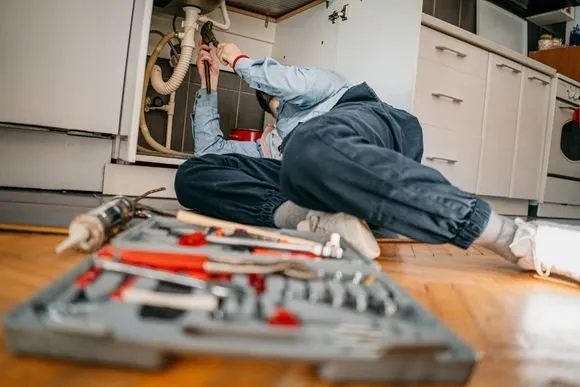
For over two decades, Salina Plumbing has been the trusted local plumbing service for residents and businesses throughout Salina, KS. Our deep understanding of the community comes from years of dedica...
Estimated Plumbing Costs in Gypsum, KS
Q&A
Should I worry about my pipes freezing in a Gypsum winter?
While our lows can hit 18°F, the bigger risk is the spring thaw. As the ground warms, previously frozen sections of pipe can thaw unevenly, causing joints to shift and leak. A good pro-tip for our temperate climate is to ensure any exposed pipes in crawlspaces are insulated before the first hard freeze, and to know where your main water shut-off is in case a leak develops during a rapid thaw.
Does our hard water from the Saline River ruin appliances?
Yes, the mineral content from the Saline River leads to rapid scale formation. In water heaters, scale coats the heating element and tank bottom, drastically reducing efficiency and lifespan. On fixtures and showerheads, you'll see white, crusty deposits that restrict flow. Installing a whole-house water softener is the most effective defense, as it prevents this scale from damaging your plumbing hardware and major appliances.
Are there special plumbing considerations for a rural town like Gypsum?
Many homes here are on private well and septic systems, not municipal water and sewer. That means water pressure is controlled by a well pump and pressure tank, and any septic work requires coordination with Saline County for permits. We're familiar with the specific codes and the common issues with older well equipment and septic field drainage in this area.
Could the flat land around Gypsum City Park cause drainage issues for my home?
The plain terrain can actually complicate drainage. Without a natural slope, water tends to pool and saturate the soil around foundations. This constant dampness puts lateral stress on your main sewer line and can lead to settlement or joint separation over time. Proper grading away from the house and functional gutter downspout extensions are critical to managing groundwater here.
Do I need a permit to replace the plumbing in my Gypsum home?
Most significant plumbing work requires a permit from Saline County Planning and Zoning. As a Master Plumber licensed by the Kansas State Board of Technical Professions, I handle pulling those permits, scheduling inspections, and ensuring the work meets code. My license means I carry the required insurance and assume the liability, so you don't have to navigate the red tape yourself.
What does 'galvanized steel failure' actually look like inside my walls?
The most common failure for 1938-era galvanized pipe is pinhole leaks caused by internal corrosion. You'll see a small, steady drip or a damp spot on a wall or ceiling. Joints also calcify and seize, making repairs nearly impossible without replacing entire pipe sections. When we cut into these old lines, the interior diameter is often reduced to the size of a pencil from decades of rust and scale buildup.
Why am I suddenly having so many plumbing problems in my older Gypsum home?
Your house is likely part of the 1938 construction wave here. That means the original galvanized steel pipes are now 88 years old. At this age, the interior zinc coating has worn away completely, leaving the raw iron exposed. Homeowners around Gypsum City Center are seeing rust particles clogging aerators and a persistent drop in water pressure, which are the final warnings before sections of pipe start failing completely.
How quickly can a plumber get to my house in Gypsum?
Our typical response from dispatch to arrival is 45 to 60 minutes. The route usually starts from our shop, heading past Gypsum City Park onto K-4. We know the backroads and county roads well, so even if you're off the main highway, we can get a truck to you efficiently to address an urgent leak or failure.
