Top Emergency Plumbers in Gore, KS, 67110 | Compare & Call

There are 121 plumbing companies server in Gore KS
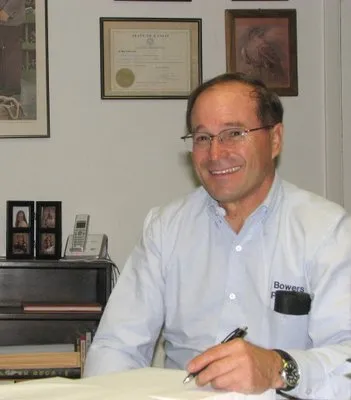
Bowers Plumbing Heating & Air
Bowers Plumbing Heating & Air is a family-owned plumbing company serving Wichita, KS, and the surrounding areas since 1955. Founded by John Milton Bowers with a commitment to exceptional customer serv...

Action Heating And Cooling
Action Heating Cooling and Plumbing is a trusted, locally-owned HVAC and plumbing contractor serving Wichita and the surrounding areas. As a licensed professional, I am dedicated to providing reliable...
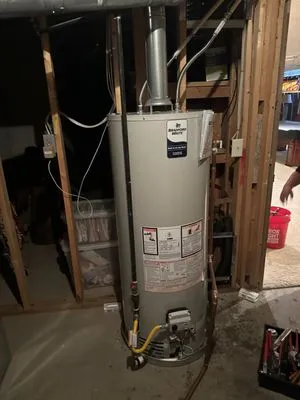
Reaper Plumbing is a trusted local plumbing service in Wichita, KS, dedicated to keeping homes and businesses running smoothly. We specialize in a comprehensive range of services, from routine faucet ...
Affordable Plumbing in Wichita, KS, is a trusted local plumbing service dedicated to helping homeowners tackle common plumbing issues efficiently and affordably. Specializing in a comprehensive range ...
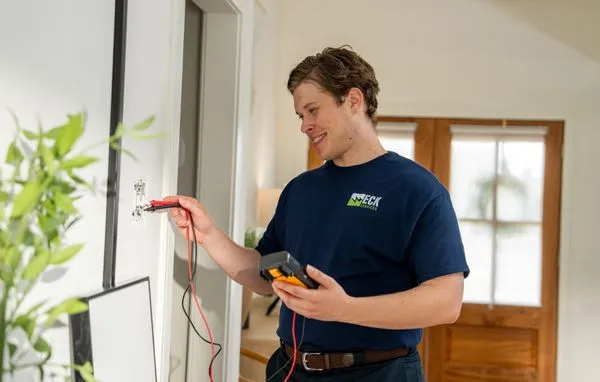
Eck Services
Eck Services has been a trusted provider of electrical, plumbing, and HVAC solutions for Wichita homes and businesses for over 20 years. Founded by master-licensed professional Travis Eck, who grew up...
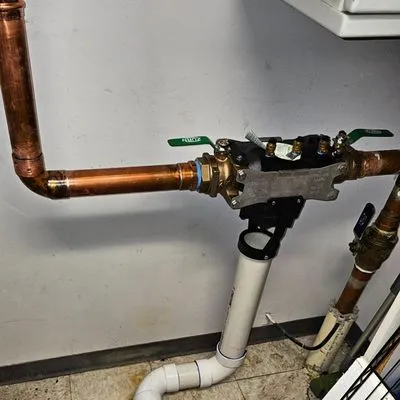
Sooter Plumbing and Mechanical is a locally owned and operated plumbing and mechanical service provider based in Augusta, KS. We offer comprehensive residential and commercial plumbing solutions, incl...

Plumber Of The Plains is Derby's trusted, full-service plumbing partner. We understand that homes in our area frequently face stubborn drain clogs and leaks at pipe joints, issues that can quickly esc...
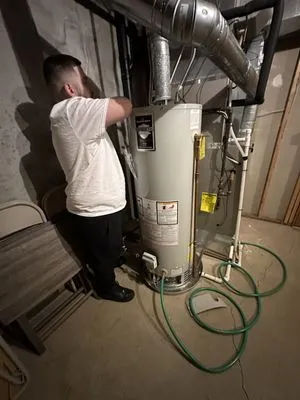
Express Plumbing ICT is a trusted plumbing service provider in Wichita, KS, offering reliable solutions for both residential and commercial clients. Our team specializes in a comprehensive range of se...
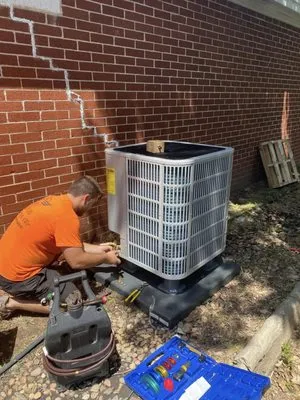
Alpha HVAC & Plumbing is a veteran-owned, locally operated company serving Wichita, KS, with over 35 years of experience in the trade. Founded on principles of honesty and integrity, we provide transp...
The Real McCoy Plumbing is a trusted, full-service plumbing company serving Wichita, KS, and surrounding communities. We specialize in a comprehensive range of residential and commercial plumbing serv...
Estimated Plumbing Costs in Gore, KS
Frequently Asked Questions
What's the most important spring plumbing task for a home in Gore?
Before the spring thaw hits its peak, disconnect and drain any garden hoses. A hose left connected traps water in the exterior faucet and the supply line inside the wall. When overnight lows still dip near 18°F, that trapped water can freeze, expand, and crack the pipe or the faucet body itself. This causes a leak that often isn't discovered until the wall is saturated, leading to a much larger repair.
Does having a private well with hard water damage my plumbing fixtures?
Yes, hard water from a private well deposits scale, which is primarily calcium and magnesium carbonate. This scale buildup acts as an insulator inside water heater tanks, forcing them to work harder and fail sooner. On fixtures, it clogs aerators and showerheads, reducing flow and pressure. Over time, scale can also cement moving parts in valves and cartridges, requiring full fixture replacement instead of a simple repair.
How fast can a plumber get to a house out in Gore, Kansas?
From my shop, a typical dispatch route involves heading past the Gore Cemetery to access US-75, which is the main artery for the township. That route puts me at most addresses within 45 to 60 minutes of the call. I plan for that transit time with a fully stocked truck, so I have the right parts—like couplings and dielectric unions—when I arrive to handle the repair without a second trip.
My copper pipes in Gore are original to my 1979 house. Should I be concerned?
Copper installed in 1979 is now 47 years old, which is a critical lifespan for this material in our area. Homeowners across Gore Township are reporting a marked increase in pinhole leaks and joint failures as the pipes reach this age. The copper has endured decades of our hard water's mineral content, which slowly erodes the interior walls. We are seeing these failures most often at solder joints and where pipes contact dissimilar metals, leading to unexpected leaks in walls and ceilings.
Do I need a permit to replace my water heater in Jackson County?
Jackson County Planning and Zoning requires permits for water heater replacements to ensure the new installation meets current building and safety codes. As a Master Plumber licensed by the Kansas State Board of Technical Professions, I pull those permits and schedule the required inspections as part of the job. This handles the red tape for you and guarantees the work is documented correctly for your home's records and any future sale.
Could the flat land around here cause plumbing drainage problems?
The plain terrain around Gore Cemetery and throughout the township offers very little natural slope for drainage. This can lead to saturated soil around your foundation during heavy rains or rapid snowmelt. That constant moisture and the potential for slight soil shifting over decades puts extra stress on the underground sewer main exiting your home, which can lead to bellied pipes, root intrusion at joints, or cracks.
Why do my copper pipes keep springing pinhole leaks?
Pinhole leaks in 1979-era copper are often a symptom of internal corrosion called Type I pitting, accelerated by our water chemistry. Over 47 years, the protective oxide layer inside the pipe breaks down, allowing microscopic pits to form and eventually penetrate the wall. This failure is not random; it frequently occurs in horizontal runs where water sits and in areas with high water velocity, like right after a bend or elbow.
Is plumbing different for a rural home with a well and septic system?
It requires specific knowledge of the entire system. A problem with a pump pressure switch or a failing pressure tank can mimic a plumbing leak inside the house. On the septic side, a blocked drain field or full tank can cause backups that are often mistaken for a simple clog. Repairs need to account for both the private water supply and the waste disposal, as they are interconnected and not backed by a municipal utility.
