Top Emergency Plumbers in Fort Scott, KS, 66701 | Compare & Call

There are 121 plumbing companies server in Fort Scott KS
For over 25 years, Michael Roemhild and the team at Leak Finders have been the trusted local specialists for leak detection and plumbing solutions in Overland Park. Founded on a vision of customer-fir...

Kane Plumbing is a trusted local plumbing service in Ottawa, KS, dedicated to helping homeowners tackle common plumbing emergencies. We specialize in drain repair, plumbing inspection, and plumbing re...

DC Piping Solutions is Ottawa's trusted plumbing specialist, known for reliable service and expert craftsmanship. We handle everything from fixing a leaky faucet to full bathroom installations, focusi...
Drain Doctors is your trusted, local plumbing partner in Osage City, Kansas. We specialize in diagnosing and fixing the common plumbing challenges homeowners face, including hard water buildup that cl...
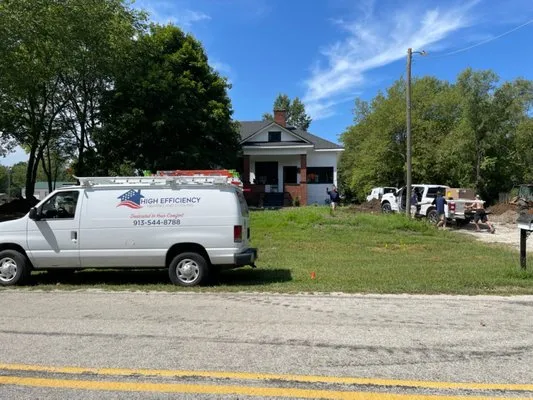
High Efficiency Heating, Cooling and Plumbing
High Efficiency Heating, Cooling and Plumbing is your trusted local expert in Louisburg, KS, providing comprehensive solutions for your home's essential systems. We specialize in HVAC installation, ma...

For over four decades, Budget Plumbing has been the trusted local resource for Pittsburg homeowners and businesses. With a deep understanding of the region's homes and plumbing systems, we focus on pr...
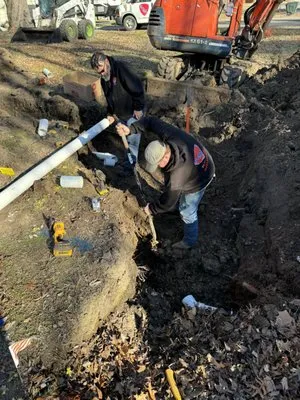
Sewers Drains & More is your trusted local plumbing expert in Pittsburg, KS, dedicated to protecting your home from common and costly water damage. We understand the stress that sewer backups and sudd...

Phil's Plumbing & Heating is a trusted, locally-owned plumbing service serving Pittsburg, KS, and the surrounding area. We understand the unique plumbing challenges faced by local homeowners, includin...
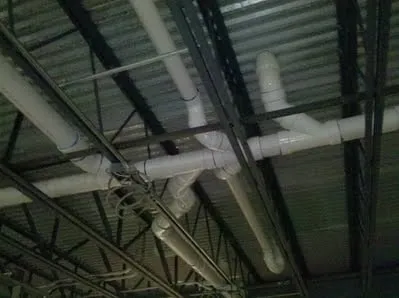
Rod Wood Plumbing is a trusted local plumbing service in Pittsburg, KS, dedicated to helping homeowners maintain reliable and efficient plumbing systems. We specialize in a comprehensive range of serv...
Alden Plumbing & Mechanical is a trusted local plumbing service in Pittsburg, KS, dedicated to keeping homes and businesses running smoothly. We specialize in thorough plumbing inspections to identify...
Estimated Plumbing Costs in Fort Scott, KS
Q&A
Does Fort Scott's hard water damage my plumbing appliances?
Yes, the hard water from Lake Fort Scott accelerates scale buildup inside pipes and water heaters. In water heaters, this mineral layer acts as an insulator, forcing the unit to work harder and shortening its lifespan. You will also see scaling on showerheads and faucet aerators, which reduces flow and efficiency over time.
Why are so many Fort Scott homes suddenly having plumbing problems?
Your home's original galvanized steel pipes are now 72 years old, installed around 1954. Their service life was 40 to 60 years, so they are well into failure territory. Downtown Fort Scott homeowners are now seeing widespread pinhole leaks, heavy rust deposits that restrict water flow, and sudden pipe ruptures where the steel has corroded from the inside out.
How quickly can a plumber get to my house in Fort Scott?
From our central dispatch, a common route heads past the Fort Scott National Historic Site on US-69, reaching most neighborhoods in a 20 to 30 minute window. We factor in traffic patterns and prioritize emergencies to ensure a direct and predictable arrival for service calls across the city.
Do I need a permit to replace my water heater in Fort Scott?
Yes, the Fort Scott Building and Zoning Department requires permits for water heater replacements to ensure code compliance for pressure relief valves and proper venting. As a Master Plumber licensed by the Kansas State Board of Technical Professions, I handle that permit process and inspection coordination so you don't have to manage the red tape.
Are there special plumbing considerations for homes outside downtown Fort Scott?
In more rural areas of Bourbon County, systems shift from municipal water and sewer to private wells and septic fields. This requires specific knowledge of pump pressure settings, water treatment for hardness, and septic tank maintenance schedules, which differ significantly from standard city service protocols.
What's the most important spring plumbing maintenance for this area?
Before the spring thaw hits its peak, disconnect and drain your garden hoses. A hose left connected traps water in the exterior bib, which can freeze and crack the pipe inside your wall. This simple step prevents one of the most common and costly water damage calls we see after temperatures dip to the low 20s and then rapidly warm.
What is the most common plumbing failure in older Fort Scott houses?
Galvanized steel pipes from the mid-1950s commonly fail due to joint calcification and internal scaling. The original galvanizing zinc coating wears away over decades, allowing the steel to rust and close off the pipe bore. This leads to low water pressure at all fixtures and creates stress points that result in pinhole leaks, often hidden behind walls or under floors.
Can the hilly terrain around Fort Scott affect my sewer line?
The slope of the land, similar to the grades near the National Historic Site, puts constant stress on main sewer lines. Over decades, this can cause sections to sag or separate at the joints, creating low spots that collect debris and lead to recurrent blockages. Proper installation and periodic video inspection are key to managing this terrain-related wear.
