Top Emergency Plumbers in Dover, KS, 66420 | Compare & Call

There are 24 plumbing companies server in Dover KS
Razo’s Plumbing
Razo's Plumbing is a trusted, full-service plumbing company serving Olathe, KS homeowners and businesses. We specialize in comprehensive plumbing solutions, from routine repairs to complex installatio...
Blue Duck Plumbing is a trusted plumbing and drain cleaning company serving Lawrence, KS, and surrounding areas with over 15 years of hands-on experience. Founded and operated by Joseph Bradshaw, a li...
A-1 Plumbing Heating Cooling Electrical
Founded in 1985, A-1 Plumbing Heating Cooling Electrical is a trusted, locally-owned service provider for Topeka, Lawrence, and Northeast Kansas. With a commitment to "Better, Cleaner, Faster" service...
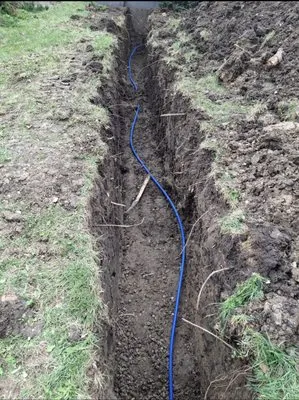
Simms Solutions is a trusted local contractor in Wellsville, KS, specializing in excavation, plumbing inspection, and trench digging services. We approach every project with a commitment to thoroughne...

Aegis Fire Protection
Aegis Fire Protection LLC has been a trusted provider of comprehensive fire safety and related plumbing services for the Kansas City Metro and Springfield, MO areas since 2007. Based in Overland Park,...
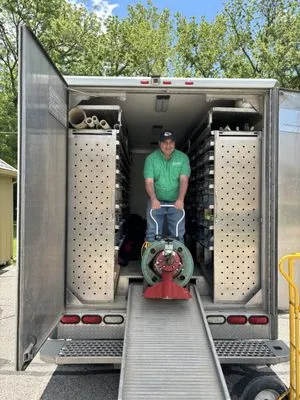
O'Harra's Plumbing Service
O'Harra's Plumbing Service has been a trusted, locally-owned plumbing company in Topeka, Kansas, since opening in 2013. Founded and operated by a Kansas Certified Master Plumber with over 27 years of ...
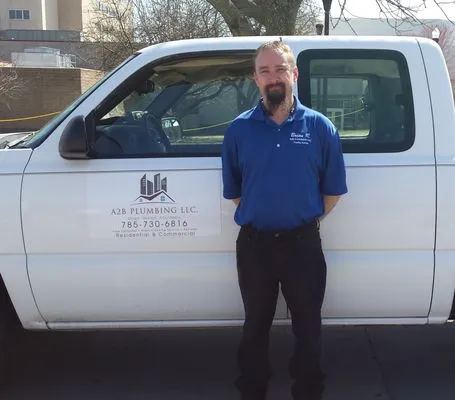
A2B Plumbing
For over 24 years, A2B Plumbing has been a trusted, locally-owned plumbing service in Topeka, KS. We believe in providing the highest quality work at honest and affordable prices. Our priority is cate...

Pat Plumbing, Heating, Air and Electric
Pat Plumbing, Heating, Air and Electric is a family-owned and operated home service company proudly serving Topeka, KS, and the surrounding communities since 2005. Founded by Pat, who grew up in the p...
Since 1986, Cooper's Inc. has been a trusted provider of plumbing, heating, and air conditioning services for homeowners in Topeka and the surrounding Kansas communities. Our long-standing reputation ...
Elite Plumbing has been the trusted plumbing service in Carbondale, KS, and the surrounding areas for over 13 years. As a licensed and certified team, we understand that plumbing problems can disrupt ...
Estimated Plumbing Costs in Dover, KS
Question Answers
What's the most important plumbing task to do before spring in Kansas?
Disconnect and drain your outdoor hoses before the first hard freeze. A forgotten hose bib can trap water, freeze, and crack the pipe inside your wall. That crack often stays sealed until the spring thaw, when warming temperatures cause it to open and flood. It's a simple, five-minute task that prevents one of the most common and destructive leaks we see after a winter with lows around 19 degrees.
Could the flat land around my house cause plumbing problems?
The plain terrain near Dover Federated Church can complicate drainage. With minimal natural slope, surface water and septic effluent don't always move away from the foundation as intended. This saturated soil puts constant, uneven pressure on buried sewer lines and can lead to settlement or joint separation over time. Ensuring your gutters discharge well away from the house and grading the soil to promote runoff are critical defenses.
How long do copper pipes last in a house built around 2000?
Copper installed around 2000 is now 26 years old. In Dover Town Center, that means we're seeing the start of a predictable failure window. Homeowners often report pinhole leaks first, typically in hot water lines or at joints that have seen years of hard water flow. This isn't a sign of poor initial work, but a normal lifecycle point for copper in our specific water conditions.
How fast can a plumber get to my house out here?
My typical dispatch route has me heading past Dover Federated Church on K-4. From there, it's a straight shot into the neighborhoods. Barring farm equipment or weather, that puts my average response time at 45 to 60 minutes for an emergency call in the Dover area. It helps to have a clear description of the problem and your exact location ready when you call.
Do I need a permit to replace my own water heater in Shawnee County?
Yes, Shawnee County Planning and Development requires a permit for water heater replacement to ensure proper venting and pressure relief, which are critical safety items. As a Master Plumber licensed by the Kansas State Board of Technical Professions, I pull that permit, schedule the required inspection, and handle all the red tape. This guarantees the work meets code, protects your home insurance, and is one less administrative hassle for you.
What's different about maintaining plumbing on a private well and septic system?
You are your own water and sewer department. Well pumps, pressure tanks, and septic fields require scheduled maintenance that city utilities handle. Ignoring a septic pump-out schedule or a failing pressure switch can lead to backups or loss of water pressure that have no quick municipal fix. It's a system where proactive care is far less costly than emergency repairs, and all components from the wellhead to the drain field are your responsibility.
Does hard water from a private well damage my water heater?
Yes, significantly. Hard water causes mineral scale to build up inside the tank and on the heating elements. This layer of insulation forces the heater to work harder and longer, shortening its lifespan and increasing your electric bill. For well systems, installing and maintaining a proper water softener is the single most effective step to protect the heater, fixtures, and all your household plumbing from premature failure.
Why are my copper pipes suddenly getting pinhole leaks?
Pinhole leaks in 26-year-old copper are often caused by a combination of factors. Our hard, well water can create scale that pits the pipe interior over decades. This, combined with the natural electrolytic reaction between copper and other metals in the system, accelerates corrosion at specific points. The leaks frequently appear on horizontal runs of hot water pipe first, where heat and water velocity exacerbate the wear.
