Top Emergency Plumbers in Conway Springs, KS, 67031 | Compare & Call

There are 228 plumbing companies server in Conway Springs KS

Bowers Plumbing Heating & Air
Bowers Plumbing Heating & Air is a family-owned plumbing company serving Wichita, KS, and the surrounding areas since 1955. Founded by John Milton Bowers with a commitment to exceptional customer serv...

Action Heating And Cooling
Action Heating Cooling and Plumbing is a trusted, locally-owned HVAC and plumbing contractor serving Wichita and the surrounding areas. As a licensed professional, I am dedicated to providing reliable...
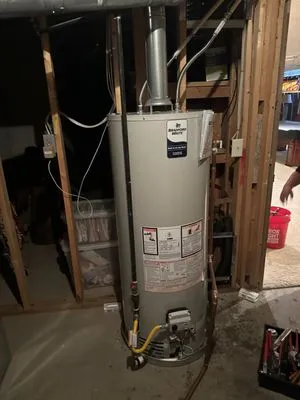
Reaper Plumbing is a trusted local plumbing service in Wichita, KS, dedicated to keeping homes and businesses running smoothly. We specialize in a comprehensive range of services, from routine faucet ...
Affordable Plumbing in Wichita, KS, is a trusted local plumbing service dedicated to helping homeowners tackle common plumbing issues efficiently and affordably. Specializing in a comprehensive range ...
Eck Services
Eck Services has been a trusted provider of electrical, plumbing, and HVAC solutions for Wichita homes and businesses for over 20 years. Founded by master-licensed professional Travis Eck, who grew up...
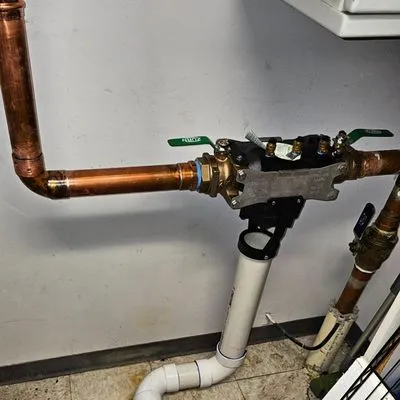
Sooter Plumbing and Mechanical is a locally owned and operated plumbing and mechanical service provider based in Augusta, KS. We offer comprehensive residential and commercial plumbing solutions, incl...

Plumber Of The Plains is Derby's trusted, full-service plumbing partner. We understand that homes in our area frequently face stubborn drain clogs and leaks at pipe joints, issues that can quickly esc...
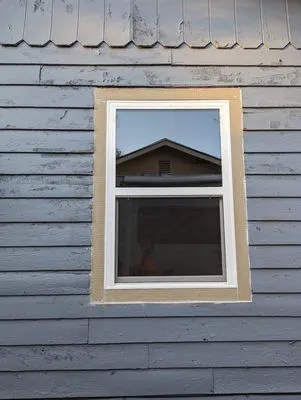
Friendly Handyman LLC is a trusted, full-service handyman company serving Wichita and the surrounding areas. We provide professional, reliable solutions for the wide variety of maintenance and repair ...
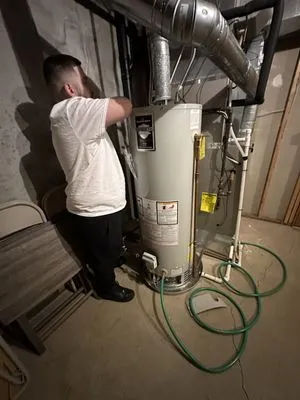
Express Plumbing ICT is a trusted plumbing service provider in Wichita, KS, offering reliable solutions for both residential and commercial clients. Our team specializes in a comprehensive range of se...
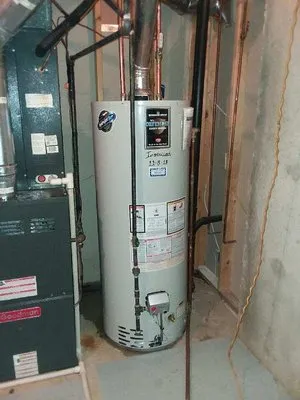
For over 45 years, David Lies Plumbing has been a trusted, family-owned name serving the plumbing needs of Wichita homes and businesses. Founded in 1978, we provide a full range of services from emerg...
Estimated Plumbing Costs in Conway Springs, KS
Q&A
What should I do before spring thaw to avoid plumbing problems?
Temperatures here drop to 19°F, and spring thaw causes ground shifts that stress pipes. Insulate exposed pipes in crawl spaces and disconnect garden hoses before winter. Check your main water shutoff valve now—if it hasn't been operated in years, it may be frozen open. A pro-tip: let a faucet drip during extreme cold snaps to keep water moving and prevent freeze-ups in vulnerable lines.
Why are so many homes in Downtown Conway Springs getting plumbing leaks lately?
Galvanized steel pipes installed around 1966 are now 60 years old. At this age, the zinc coating has worn away, exposing the underlying steel to corrosion. Homeowners in Downtown Conway Springs are seeing rust-colored water, reduced water pressure, and frequent leaks at joints and fittings. The internal diameter of these pipes shrinks over decades from mineral buildup, making complete replacement more cost-effective than repeated repairs.
Who handles permits for plumbing work in Sumner County?
Sumner County Planning and Zoning requires permits for most plumbing projects, from water heater replacements to full repipes. As a master plumber licensed by the Kansas State Board of Technical Professions, I handle the red tape so you don't have to—filing paperwork, scheduling inspections, and ensuring everything meets current code. This protects your investment and keeps your home insurance valid, since unpermitted work can void coverage.
How quickly can a plumber reach my home in Conway Springs?
Heading past Conway Springs Pool on K-49 gets me into the residential areas within minutes. Most calls from Downtown Conway Springs take 45-60 minutes from dispatch to arrival, depending on traffic and exact location. I keep a stocked truck ready for common issues like water heater failures or pipe bursts, so I can start work immediately upon arrival without needing extra trips for parts.
Does Conway Springs' hard water damage water heaters?
Municipal wells supply water with high mineral content that causes scale buildup inside tanks and pipes. In water heaters, this sediment accumulates at the bottom, reducing efficiency and overheating the lower heating element. Over time, scale can completely block the temperature and pressure relief valve, creating a safety hazard. Installing a whole-house water softener or using dielectric unions at connections can extend appliance life by years.
Are septic systems common in rural Conway Springs homes?
Many properties outside municipal limits use septic systems and private wells. Septic tanks require pumping every 3-5 years depending on household size, and drain fields can fail if overloaded with water or non-biodegradable materials. Well pumps and pressure tanks need regular maintenance to handle hard water scaling. I recommend annual inspections of both systems to catch issues like tree root intrusion or pump wear before they become emergencies.
What causes those tiny leaks in older Conway Springs home pipes?
Galvanized steel pipes from the 1960s develop pinhole leaks as corrosion eats through the metal from the inside out. Joint calcification is another common failure—minerals from our hard water cement threaded connections, making them brittle and prone to cracking when stressed. Once these pipes reach 60 years, the entire system becomes unreliable, and spot repairs often just move the problem to the next weak section.
Why does my basement near Conway Springs Pool flood during heavy rain?
The plain terrain around Conway Springs has minimal natural slope, so water doesn't drain away quickly. Soil saturation puts hydrostatic pressure on foundation walls and underground pipes, which can crack older main lines or cause sewer backups. Improper grading around your home's foundation exacerbates this—ensure soil slopes away from the house at least six inches over ten feet to direct runoff away from plumbing infrastructure.
