Top Emergency Plumbers in Colwich, KS, 67030 | Compare & Call

There are 103 plumbing companies server in Colwich KS
Bowers Plumbing Heating & Air
Bowers Plumbing Heating & Air is a family-owned plumbing company serving Wichita, KS, and the surrounding areas since 1955. Founded by John Milton Bowers with a commitment to exceptional customer serv...

Action Heating And Cooling
Action Heating Cooling and Plumbing is a trusted, locally-owned HVAC and plumbing contractor serving Wichita and the surrounding areas. As a licensed professional, I am dedicated to providing reliable...
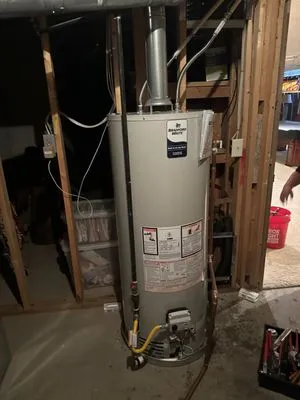
Reaper Plumbing is a trusted local plumbing service in Wichita, KS, dedicated to keeping homes and businesses running smoothly. We specialize in a comprehensive range of services, from routine faucet ...
Affordable Plumbing in Wichita, KS, is a trusted local plumbing service dedicated to helping homeowners tackle common plumbing issues efficiently and affordably. Specializing in a comprehensive range ...
Eck Services
Eck Services has been a trusted provider of electrical, plumbing, and HVAC solutions for Wichita homes and businesses for over 20 years. Founded by master-licensed professional Travis Eck, who grew up...

Plumber Of The Plains is Derby's trusted, full-service plumbing partner. We understand that homes in our area frequently face stubborn drain clogs and leaks at pipe joints, issues that can quickly esc...
Express Plumbing ICT is a trusted plumbing service provider in Wichita, KS, offering reliable solutions for both residential and commercial clients. Our team specializes in a comprehensive range of se...
Alpha HVAC & Plumbing is a veteran-owned, locally operated company serving Wichita, KS, with over 35 years of experience in the trade. Founded on principles of honesty and integrity, we provide transp...
The Real McCoy Plumbing is a trusted, full-service plumbing company serving Wichita, KS, and surrounding communities. We specialize in a comprehensive range of residential and commercial plumbing serv...
Creekmore Plumbing & Heating
Creekmore Plumbing & Heating is a trusted, family-owned and operated business serving Wichita and the surrounding communities. With roots in the plumbing industry for over 20 years and a family legacy...
Estimated Plumbing Costs in Colwich, KS
Q&A
Does our hard water from the Equus Beds Aquifer damage my plumbing?
Yes, the mineral-rich water from the Equus Beds Aquifer leads to significant scale buildup. This calcium and magnesium deposit accumulates most aggressively inside water heaters, reducing efficiency and shortening their lifespan. You'll also see it crusting on faucet aerators and showerheads, reducing flow. Over time, this scale can act as an abrasive inside pipes, contributing to the wear that leads to leaks in older systems.
How fast can a plumber get to my house in Colwich during an emergency?
A typical dispatch route has us heading past Colwich City Park on K-96 to reach most addresses. With normal traffic, that's a reliable 20 to 30 minute response from the initial call. We factor in local conditions, but that corridor provides efficient access to the entire community for urgent calls like a burst pipe or a failed water heater.
Why does my copper plumbing keep springing pinhole leaks?
Copper pipe installed in 1979 suffers from a specific failure mode related to its age and our water chemistry. Over nearly five decades, microscopic erosion and a process called dezincification can thin the pipe wall from the inside. This creates weak spots that eventually fail under normal water pressure, resulting in those frustrating pinhole leaks. The joints and fittings from that era are also prone to calcification, which restricts flow and can cause leaks at the solder points.
What's the most important thing to do for my plumbing before winter in Colwich?
The critical action is to disconnect and drain your garden hoses before the first hard freeze, which can dip near 20°F. A forgotten hose traps water in the faucet bib, which freezes and splits the pipe inside your wall. It's a simple, five-minute task that prevents one of the most common and costly spring thaw emergencies we see. Insulating exposed pipes in unheated crawl spaces is your next best defense.
Do I need a permit to replace my water heater, and who handles that?
Yes, Sedgwick County requires a permit for water heater replacement. As a Master Plumber licensed by the Kansas State Board of Technical Professions, I pull that permit, schedule the required inspection, and ensure the installation meets all current code for venting, pressure relief, and seismic strapping. My job is to handle that red tape seamlessly so your project is documented and legal without you needing to navigate the county offices.
Could the flat land around here cause drainage problems for my home's plumbing?
The plain terrain around Colwich, including areas near Colwich City Park, creates very little natural slope for drainage. This can lead to standing water around your foundation during heavy rains or rapid spring thaws. That saturated soil puts constant hydrostatic pressure on your home's main sewer line, which can cause the pipe to shift, settle, or develop leaks at the joints over many years.
Are there different plumbing concerns for homes on wells versus city water in Colwich?
Absolutely. Homes on private wells drawing from the Equus Beds Aquifer need proactive maintenance on well pumps, pressure tanks, and whole-house filtration systems to manage hardness. Homes on municipal water have different concerns, like verifying proper backflow prevention devices are installed and maintained to county code. The pressure from the city main can also be higher, which stresses aging fixtures and weak points in older copper lines more quickly.
My home was built in the late 70s. What kind of plumbing problems should I expect?
Homes in Colwich built around 1979 have copper pipes that are now 47 years old. At this age, the natural wear from decades of water flow and chemical reactions inside the pipe wall begins to show. You'll likely notice pinhole leaks first, often appearing as small green stains on drywall or a persistent damp spot in the basement. This thinning is a predictable phase for copper of this vintage, especially in the original neighborhoods near Colwich City Center.
