Top Emergency Plumbers in Basehor, KS, 66007 | Compare & Call

There are 237 plumbing companies server in Basehor KS
Joe Lillis Plumbing is a trusted, locally-owned plumbing service based in Overland Park, KS, serving homes and businesses throughout the Kansas City area. As a Licensed Master Plumber, Joe Lillis take...
Archer Plumbing is a family-owned and operated business with deep roots in the Kansas City area, spanning five generations of plumbing expertise. For over 40 years, we've proudly served Overland Park ...
Anthony Plumbing, Heating, Cooling & Electric
Anthony Plumbing, Heating, Cooling & Electric has been serving the Kansas City metro area since 1951, providing reliable plumbing, HVAC, and electrical services to Lenexa residents. With a legacy that...
For over 25 years, Michael Roemhild and the team at Leak Finders have been the trusted local specialists for leak detection and plumbing solutions in Overland Park. Founded on a vision of customer-fir...
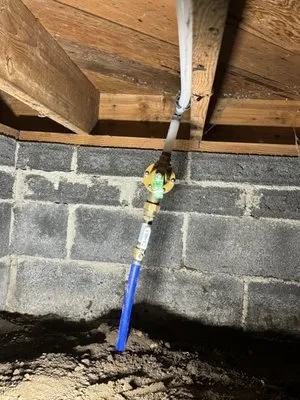
Razo’s Plumbing
Razo's Plumbing is a trusted, full-service plumbing company serving Olathe, KS homeowners and businesses. We specialize in comprehensive plumbing solutions, from routine repairs to complex installatio...
Mission Plumbing, Heating & Cooling
Mission Plumbing, Heating & Cooling has been a trusted local provider in Lenexa and the Kansas City metro since 1978, offering comprehensive plumbing, heating, and cooling services. With over 20 years...
Roto-Rooter Plumbing & Water Cleanup
Roto-Rooter Plumbing & Water Cleanup in Overland Park, KS provides comprehensive plumbing and water damage services for local homes and businesses. Our team is available 24/7 for emergency situations,...
Dragonfly Mechanical
Dragonfly Mechanical is a locally owned, family-run HVAC and plumbing service in Overland Park, KS, with over a decade of experience. Founded by Will, who has over 20 years in the industry, the busine...
Bright Side Plumbing
Bright Side Plumbing is a fourth-generation family business in Overland Park, KS, founded by master plumber Kalen Barker. After a two-year health struggle that left him wheelchair-bound, Kalen recover...
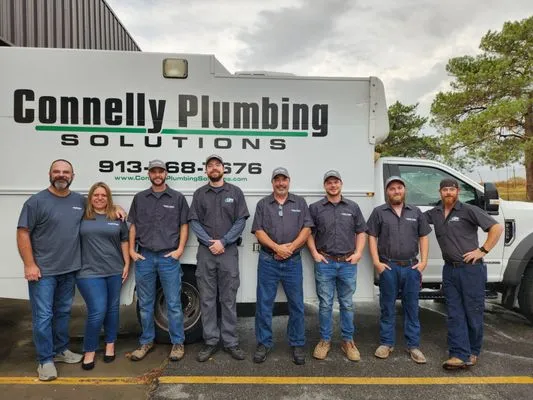
Connelly Plumbing Solutions is a family-owned plumbing company serving Lenexa, KS, and the greater Kansas City area since 2012. Founded by Master Plumber Steve Connelly, who began his career in 1995 t...
Estimated Plumbing Costs in Basehor, KS
Common Questions
As a suburban home, what are the most common plumbing issues I should watch for?
The main concerns are the municipal water pressure combined with aging interior pipes, and tree roots in the sewer lateral. City water pressure is generally good, but it can exacerbate weak points in your 25-year-old system. Meanwhile, mature landscaping common in suburbs means tree roots are constantly seeking the water in your lateral line, which can lead to blockages or even pipe collapse.
Could the flat land around Basehor City Park cause drainage issues for my home?
The plain terrain means water has little natural slope to run off. During heavy rain, saturated soil around your foundation can put lateral pressure on the underground sewer lateral running to the street. Over years, this constant stress can cause the pipe to settle unevenly or develop cracks at the joints. Proper grading away from your foundation is critical to manage this groundwater.
What permits are needed for a water heater replacement in Basehor?
The Basehor Building Department requires a permit for any water heater replacement, as it's a change to the pressurized system. As a Master Plumber licensed by the Kansas State Board of Technical Professions, I pull that permit, schedule the inspection, and ensure the installation meets all current code for expansion tanks and discharge lines. My job is to handle that red tape so your project is documented and compliant.
Why am I starting to get plumbing problems now in my Basehor home?
Your home's copper plumbing system, installed around 2001, is now 25 years old. That's a key age for copper. In neighborhoods like Basehor Heights, we're seeing a predictable wave of pinhole leaks and joint failures. It's not a coincidence—the pipe walls have been thinning from decades of water flow and local mineral content. This is a normal lifecycle event for this generation of housing stock here.
When is the best time to check for frozen pipe damage around here?
Check during the spring thaw, after our coldest snaps that can hit 20°F. Thawing often reveals leaks that formed when the water inside the pipe expanded and cracked a joint or fitting. My pro-tip is to make a slow, deliberate inspection of all exposed pipes in basements and crawlspaces once consistent above-freezing temperatures return. Catching a seep early prevents major water damage.
What causes those small blue-green stains under my copper pipes?
Those stains signal pinhole leaks, a common failure for 25-year-old copper. Our hard water accelerates corrosion, and by now, the pipe walls have worn thin in spots. The leak starts microscopic, depositing minerals that create the stain long before you see a drip. It's a definitive sign the pipe section is failing and needs replacement to prevent a larger breach.
How long does it take for a plumber to get to Basehor in an emergency?
My typical dispatch route from Basehor City Park is straight onto US-24. Heading east on that corridor gets me to most calls in the city within 30 to 45 minutes, barring major traffic. I plan for that route because it's the arterial that connects the older and newer parts of town. Knowing the local road layout is part of providing reliable service.
Does our water from the Kansas River shorten the life of my water heater?
Yes, significantly. River-sourced water carries dissolved minerals that precipitate as scale when heated. In your water heater tank, this scale acts as an insulator, forcing the unit to work harder and overheat. That stress leads to premature failure of the heating elements and the tank itself. An annual flush to remove sediment is not just maintenance here—it's a necessity to get a full service life from the appliance.
