Top Emergency Plumbers in Baker, KS, 66760 | Compare & Call

There are 236 plumbing companies server in Baker KS

Water Treatment Pros
Water Treatment Pros in Lincoln, NE, is your local, independent expert for clean, reliable water and dependable plumbing. We are Hydrotech and Canature certified technicians with a Master Plumber on s...
Select Heating & Air
Select Heating & Air is a family-owned and operated business in Lincoln, NE, founded by co-owners Chris Caudy and Josh Shoemaker. With over 14 years of experience serving the Lincoln area in plumbing,...
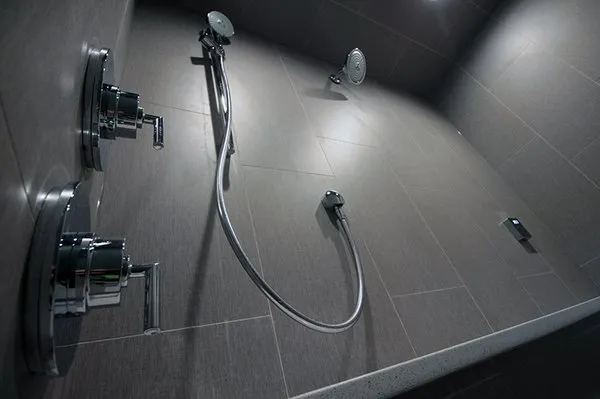
Wellmann Plumbing
Wellmann Plumbing has been serving Lincoln, NE, and surrounding areas since 1984, providing reliable plumbing solutions for both residential and commercial properties. As a licensed plumbing company, ...
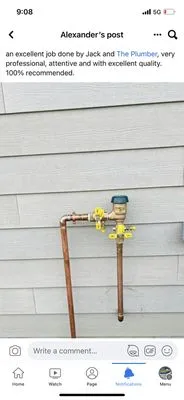
The Plumber provides reliable plumbing services to Lincoln, Crete, Eagle, and Hickam. For over 20 years, we've been the local team you can depend on, whether you're dealing with an urgent burst pipe, ...
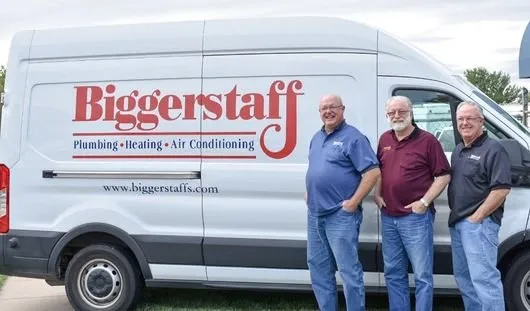
Biggerstaff Plumbing Heating & Air
Biggerstaff Plumbing Heating & Air is a family-owned and operated Lincoln institution, founded in 1957 by Keith Biggerstaff. What began as a humble operation from a garage in Havelock has grown into a...
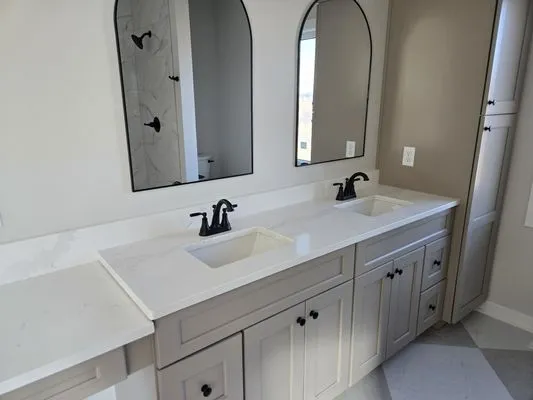
Mertlik Plumbing is a trusted, full-service plumbing company serving homeowners throughout Lincoln, NE. We specialize in addressing common local plumbing issues like garbage disposal jams and broken s...
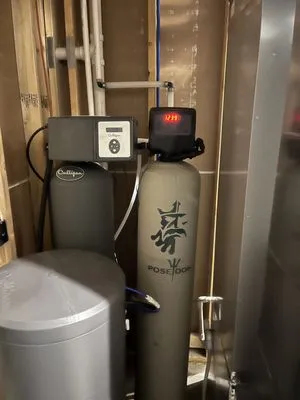
Codr Plumbing & Excavation
Codr Plumbing & Excavation is your trusted local plumbing expert serving Seward, NE, and the surrounding communities. We specialize in a comprehensive range of residential and commercial plumbing serv...
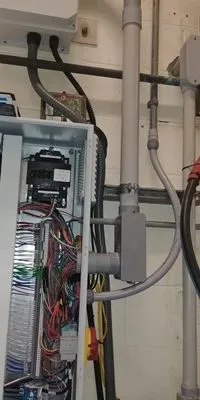
Blue River Electric
Blue River Electric is your trusted, local electrical and plumbing expert in Seward, Nebraska. We specialize in comprehensive electrical services, from inspections and installations to repairs, as wel...
Since 1947, Lammel Plumbing has been a trusted family-owned resource for Beatrice and Gage County. We provide reliable residential and commercial plumbing, from routine repairs and fixture installatio...

Wrightsman Plumbing Heating & Cooling
Since 1971, Wrightsman Plumbing Heating & Cooling has been a trusted, family-owned resource for Beatrice and Gage County. Founded by Don Wrightsman and now led by President Kevin Wrightsman, our team ...
Estimated Plumbing Costs in Baker, KS
Frequently Asked Questions
Who handles permits for plumbing work in Douglas County?
The Douglas County Zoning and Codes Department manages all plumbing permits, which we secure as part of our service. As a Master Plumber licensed by the Kansas State Board of Technical Professions, I ensure all work meets current codes and standards. This approach handles the regulatory requirements so homeowners can focus on the finished result rather than paperwork.
How quickly can a plumber reach my home near Baker University?
Heading past Baker University on US-56 provides direct access to most Baker neighborhoods. From our central location, we can typically reach homes within 45-60 minutes, depending on traffic and exact location. This route avoids unnecessary detours through residential areas. We prioritize clear communication about arrival times so you know when to expect us.
Does Clinton Lake water damage my water heater?
Water from Clinton Lake contains minerals that create scale buildup inside water heaters and fixtures. Over time, this accumulation reduces efficiency and can lead to premature failure of heating elements and valves. The hard water characteristics mean appliances work harder and wear faster. Installing a water softener or scheduling regular descaling can extend your equipment's lifespan significantly.
Why are my copper pipes suddenly failing in my Downtown Baker home?
Copper plumbing installed around 1974 is now 52 years old, which is near the end of its typical lifespan in our area. Homeowners in Downtown Baker are seeing increased pinhole leaks and joint failures as the metal fatigues from decades of water flow and mineral interaction. This isn't a coincidence—it's the predictable aging of infrastructure that was installed during Baker's growth period. Regular inspections can catch these issues before they become major water damage problems.
What causes those tiny leaks in my older copper pipes?
Pinhole leaks in 52-year-old copper pipes often result from a combination of factors. The hard water in Baker accelerates internal corrosion, while the age of the metal makes it more susceptible to failure. Joint calcification from mineral buildup creates stress points that eventually give way. These aren't random failures—they're predictable based on the installation date and local water conditions.
What should I do before spring thaw to prevent plumbing problems?
Before temperatures rise above freezing consistently, check all exposed pipes for insulation gaps. Spring thaw can reveal leaks that developed during winter freeze cycles. Drain outdoor faucets completely and inspect basement areas for moisture. This proactive approach catches minor issues before they become emergency repairs during peak demand periods.
Are septic systems different to maintain in Baker's rural areas?
Rural properties around Baker typically rely on septic systems rather than municipal sewer connections. These require regular pumping every 3-5 years and careful monitoring of water usage patterns. Well water systems also need annual testing for water quality and pressure consistency. Understanding these systems prevents surprises compared to urban plumbing setups.
Why does my main line keep having issues near Baker University?
The relatively flat terrain around Baker University affects drainage patterns, putting consistent pressure on main sewer lines. Soil settlement over decades can create low spots where water and debris accumulate, leading to repeated clogs. Proper slope maintenance and occasional camera inspections help identify these trouble areas before complete blockages occur.
