Top Emergency Plumbers in Westport, IN, 47283 | Compare & Call

There are 20 plumbing companies server in Westport IN
Pierce-Tucker Heating Cooling & Plumbing
Pierce-Tucker Heating Cooling & Plumbing is a local family-owned business proudly serving Shelby County and surrounding areas. With over 30 years of combined experience, our licensed and insured profe...
Fitzsimmons Plumbing is a veteran-owned business serving Columbus, Indiana, with over 15 years of professional plumbing experience. Owner and US Army veteran Mark Fitzsimmons brings a disciplined, rel...
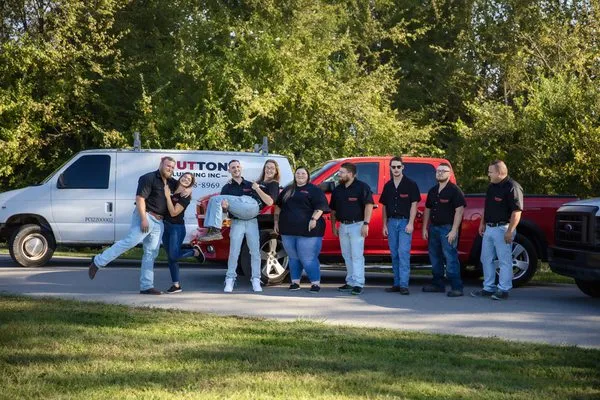
Dutton Plumbing
Dutton Plumbing, Inc. is a full-service plumbing company serving North Vernon, IN and surrounding communities including Scipio. We provide reliable and professional plumbing services for residential, ...
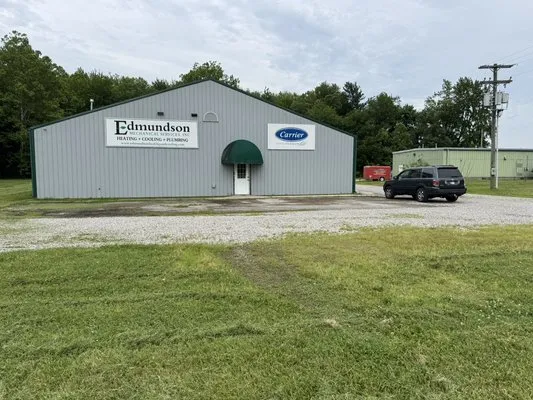
Edmundson Mechanical Services
Edmundson Mechanical Services has been a trusted provider of HVAC and plumbing solutions in Crothersville and south central Indiana for over 35 years. Founded by an owner with a mechanical engineering...
HuntCanFixIt is your trusted, local handyman and repair service right here in New Pekin, IN. We tackle a wide range of home projects, from appliance and plumbing repairs to full-scale construction lik...
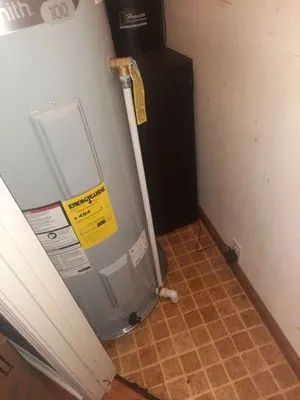
Ison Plumbing Services is your trusted local plumbing expert serving Greenwood, Indiana, and the surrounding areas. We provide a comprehensive range of residential and commercial plumbing solutions, f...

Brandenburg Plumbing is a trusted local plumbing service based in Scipio, Indiana, dedicated to keeping homes running smoothly. We understand the common challenges faced by our neighbors, such as hard...
Clarks Plumbing & Excavation is a trusted, locally-owned and operated service provider in North Vernon, IN. We offer comprehensive plumbing and excavation solutions, from emergency repairs to full sys...
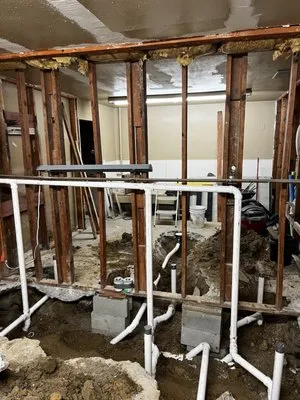
Lauster Plumbing is a family-owned business serving Seymour, Indiana, and the surrounding Jackson County area since 2022. Locally owned and operated, we bring our community-focused approach to both re...
Mister Quik Home Services
Mister Quik Home Services is Greenwood's trusted provider for prompt, reliable home repairs and installations. We specialize in electrical, plumbing, and HVAC services, addressing common local issues ...
Estimated Plumbing Costs in Westport, IN
Q&A
Are septic and well systems common for Westport homes?
Many homes outside the immediate town center operate on private well and septic systems. This means your water pressure is controlled by a well pump and pressure tank, not the municipal supply. For septic systems, avoiding chemical drain cleaners and having the tank pumped every 3-5 years is crucial to prevent solids from clogging the drain field. A failing septic system is a much larger repair than a simple drain clog.
Do I need a permit to replace my water heater?
Yes, Decatur County Building Department requires a permit for water heater replacement to ensure the new installation meets current safety and code standards. As a master plumber licensed by the Indiana Professional Licensing Agency, I pull all necessary permits, schedule the required inspections, and handle that red tape as part of the job. This protects your home's value and ensures the work is documented correctly for insurance purposes.
Why are my copper pipes from the 70s suddenly failing?
Your copper plumbing is about 56 years old now. For homes built around 1970 along the Main Street Corridor, that's the typical lifespan for the original piping. At this age, the internal wall thickness has been worn down by decades of water flow and mineral content. You're likely seeing pinhole leaks first in areas with frequent hot water use, like behind the washing machine or under sinks.
Does our hard water from Sand Creek damage appliances?
Yes, the mineral content that contributes to Westport's hard water leads to significant scale buildup inside appliances. In a water heater, this sediment layer acts as an insulator, forcing the unit to work harder and fail sooner. You'll also see reduced flow and premature washer failure in faucets and valves. Installing a whole-house water softener is the standard fix to protect your water heater, fixtures, and the remaining lifespan of your copper pipes.
What's the most important cold-weather plumbing tip for Westport?
Insulate any exposed pipes in unheated spaces like crawl spaces before temperatures hit 19 degrees. More critically, know where your main water shut-off valve is. During the spring thaw, the ground shift can stress old service lines and fittings. If a pipe bursts, shutting the water off immediately at the main valve is the single action that prevents catastrophic water damage while you wait for a professional.
How fast can a plumber get to my house in Westport?
A typical dispatch route from the shop heads past the Westport Covered Bridge onto State Road 3, which connects most of the area. Barring weather or farm equipment, that puts me at your door in 45 to 60 minutes from the call. I keep a stocked truck for common copper and water heater parts to address most emergencies on the first visit.
What's the most common repair for 1970s copper plumbing?
The most frequent failure is pinhole leaks caused by internal corrosion and scaling. Over 56 years, hard water minerals slowly pit the pipe's interior. You'll often find the first leaks at solder joints or where pipes make contact with dissimilar metals, like where copper meets a galvanized steel water heater nipple. Replacing these sections requires cutting out the failed copper and installing new pipe with dielectric unions to prevent future galvanic corrosion.
Could the flat land around here cause drainage problems?
The plain terrain means there's very little natural slope for drainage. Around properties near Sand Creek or the Westport Covered Bridge, this can lead to standing water against your foundation after heavy rain. That constant moisture saturates the soil, which then puts lateral pressure on your underground main sewer line. Over time, this stress can cause the pipe to settle unevenly or develop cracks at the joints, leading to slow drains or backups.
