Top Emergency Plumbers in Wayne, IN, 46214 | Compare & Call

There are 239 plumbing companies server in Wayne IN

Winters Plumbing is a family-owned and operated plumbing service based in Greenwood, Indiana, with over 20 years of experience serving both residential and commercial clients. As a licensed contractor...
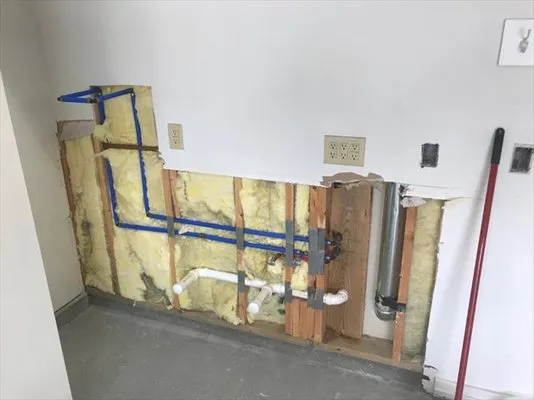
Steve Morin Plumbing Service
Steve Morin Plumbing Service is a veteran-owned plumbing business serving Indianapolis and Hamilton County since 1986. Founded by Steve Morin, a U.S. Army veteran who began his plumbing career after s...
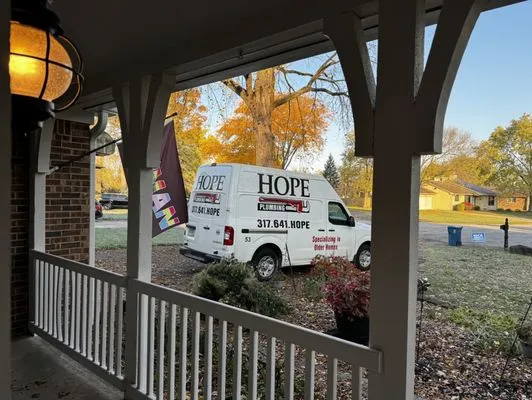
Hope
Hope Plumbing began when founders Jack Hope and Brad Persic started doing plumbing work to pay for school. Their reliable service grew so popular that by the time they graduated, they had added more p...
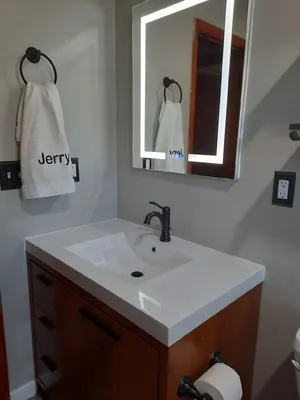
Dutton Plumbing, Inc. is a full-service plumbing company serving Whiteland, IN, and surrounding areas since 2021. With nearly 2000 jobs completed across the state, we provide reliable plumbing service...
Grateful Plumber
Adam, a highly experienced licensed plumber, founded Grateful Plumber to serve the greater Indianapolis area with a commitment to quality and reliability. We believe a successful plumbing business is ...
Rapid Response Plumbing
Rapid Response Plumbing provides Brownsburg homeowners and businesses with dependable plumbing solutions. We specialize in resolving common local issues like drain clogs and pipe joint leaks, using pr...
Chapman Heating, Air Conditioning & Plumbing
Chapman Heating, Air Conditioning & Plumbing is a locally owned and operated HVAC and plumbing company that has been serving Central Indiana for over 40 years. As the largest independent Bryant dealer...

L D Smith Plumbing
Founded in 2011 by owner Lance Smith, L.D. Smith Plumbing is a locally owned and operated business dedicated to serving Indianapolis and its surrounding communities. Starting from a humble garage, the...
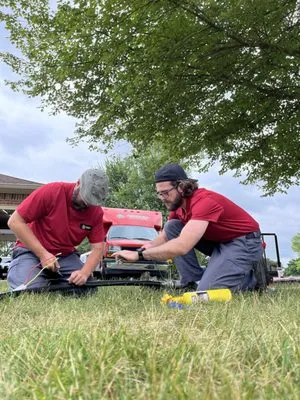
Cornwell Plumbing
Cornwell Plumbing has been the trusted plumbing service for Zionsville and surrounding communities since 1989. As a family-owned business, we provide comprehensive plumbing solutions for both resident...

Carter's My Plumber
Carter's My Plumber is a third-generation, family-owned plumbing business proudly serving Greenwood, IN, and the wider Indianapolis area since 1976. Founded on a legacy of craftsmanship, the company w...
Estimated Plumbing Costs in Wayne, IN
FAQs
I live in a suburban neighborhood. What are common sewer line issues here?
In Wayne's established neighborhoods, the most frequent issue is root intrusion into the sewer lateral. Tree roots seek out the moisture and nutrients in the pipe, especially at old, porous joints. They can create a complete blockage. Another concern is fluctuating municipal water pressure, which can stress aging galvanized systems and exacerbate leaks. Regular camera inspections of the lateral can catch these problems early.
How fast can a plumber get to Wayne if I have an emergency?
A typical dispatch from my shop routes past the Foellinger-Freimann Botanical Conservatory to access I-69. Heading north on the interstate provides the fastest path into Wayne. Barring traffic, you can expect a service truck at your door in 25 to 35 minutes for a true emergency call. We prioritize these routes to minimize water damage from burst pipes or sewer backups.
What's one thing I should do every spring to avoid a plumbing disaster?
Before the spring thaw hits its peak, disconnect your garden hoses and inspect your outdoor hose bibs. A hose left connected traps water in the bib. When temperatures dip back near 18 degrees overnight, that trapped water can freeze and expand, cracking the pipe inside your wall. This simple, five-minute task prevents a costly repair that often isn't discovered until you use the faucet again.
My home in Historic Southwood Park was built around 1964. What kind of plumbing issues should I expect?
Your galvanized steel plumbing is now 62 years old. In Historic Southwood Park, we're seeing these pipes at the end of their service life. Homeowners report a sudden drop in water pressure and frequent clogs. This is because the interior of the pipe has corroded and mineral scale has built up, reducing the diameter to a pinhole. Complete pipe failure, where sections need replacement, becomes a common and urgent repair at this age.
Who handles the permits if I need to replace my main water line?
Any major replacement requires a permit from the Fort Wayne Department of Planning and Neighborhoods. As a master plumber licensed by the Indiana Professional Licensing Agency, I pull those permits, schedule the necessary inspections, and ensure the work meets all current code. My credentials mean I handle that red tape so you don't have to. The process is seamless for the homeowner when you hire a properly licensed professional.
Why do my 1960s-era pipes keep springing small leaks?
Galvanized steel pipes installed in 1964 are prone to pinhole leaks from internal corrosion. The zinc coating that protects the steel has worn away after six decades, allowing the iron to rust. This corrosion happens from the inside out, often hidden within walls. Joints are especially vulnerable as the threaded fittings corrode first, leading to leaks at pipe connections and under fixtures.
Could the flat land around here cause drainage problems for my home's plumbing?
The plain terrain, similar to the area around the botanical conservatory, can complicate drainage. With minimal slope, surface water and groundwater have nowhere to go quickly. This can saturate the soil around your home's foundation and put constant hydrostatic pressure on your main sewer line. Over time, this stress can cause the line to settle, crack, or allow root intrusion at the joints.
Does Fort Wayne's hard water from the St. Joseph River damage my plumbing?
Yes. The mineral content in our hard water leads to scale buildup inside pipes and appliances. In water heaters, this scale acts as an insulator, forcing the unit to work harder and shortening its lifespan. On fixtures, it clogs aerators and showerheads. Over years, this scaling significantly reduces the interior diameter of galvanized pipes, restricting flow and increasing pressure on old joints.
