Top Emergency Plumbers in Upland, IN, 46989 | Compare & Call

There are 149 plumbing companies server in Upland IN
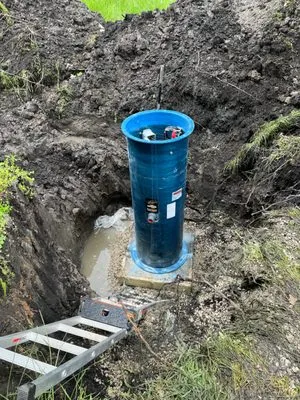
Rooterman
RooterMan in Muncie, IN, is a locally owned plumbing service with deep roots in the community. Founded by Rick, a former USAF veteran and software professional who transitioned to plumbing to pursue h...
Mister Quik Home Services
Mister Quik Home Services has been central Indiana's trusted partner for home comfort and repair since 2000. For over 24 years, we've built our reputation in the Indianapolis area on reliability, affo...

Roby's Plumbing
Roby's Plumbing is a third-generation, family-owned plumbing business that has been serving Indianapolis and surrounding communities since 1955. As a locally owned company, we understand the unique pl...
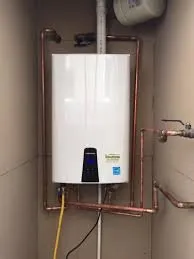
Wyatt & Son's Plumbing is a family-owned and operated plumbing contractor proudly serving Anderson, Muncie, Marion, Pendleton, Fishers, Noblesville, and surrounding communities. Formerly known as J & ...
Plumbing Heating Paramedics
Plumbing Heating Paramedics is a family-operated plumbing and HVAC company proudly serving Noblesville since 2011. Built on a foundation of honesty and integrity, we distinguish ourselves by never usi...
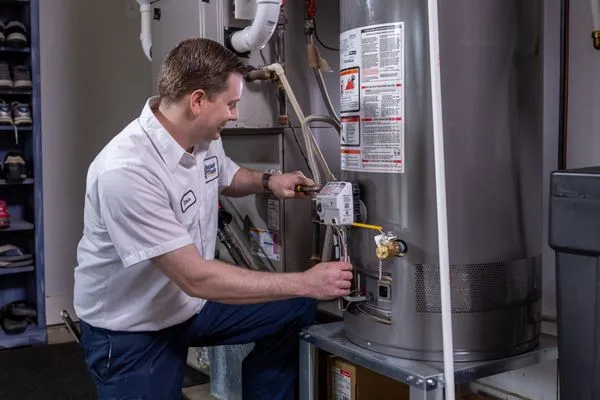
Benjamin Franklin Plumbing of Indianapolis brings years of local plumbing experience to every job, focusing on quality work and clear communication for homeowners. Our team of background-checked and t...

Summers Plumbing Heating & Cooling
Summers Plumbing Heating & Cooling has been a trusted provider of plumbing, heating, and cooling services in Anderson, IN, and across Indiana and Ohio for over 40 years. With 16 locations and extensiv...
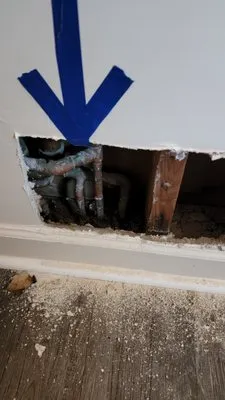
Precision Leak Detection is a family-owned plumbing inspection service based in Indianapolis, Indiana, specializing in accurate leak detection using non-destructive techniques. Founded in 2017 by an o...
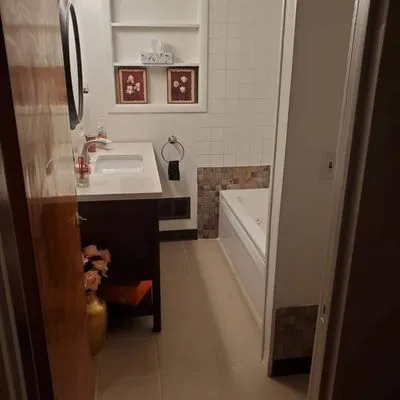
New Creative Enterprise
With two decades of hands-on experience in home repair and maintenance, I founded this business to bring reliable, high-quality service to Indianapolis homeowners. My journey began with years of work ...
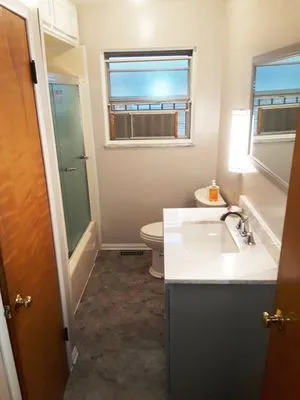
For over 25 years, Smith Works has been the trusted Indianapolis contractor for homeowners seeking reliable, high-quality work without a premium price. Founded by Ricky Smith, a U.S. Army veteran and ...
Estimated Plumbing Costs in Upland, IN
Frequently Asked Questions
Does Upland's hard water damage water heaters?
Municipal wells in Upland supply water with high mineral content that causes scale buildup. Inside water heaters, this mineral accumulation reduces efficiency by insulating heating elements and narrowing water passages. Fixtures develop reduced flow as aerators clog with calcium deposits. Annual flushing and anode rod inspection can extend appliance life in these conditions.
As a rural homeowner, what unique plumbing concerns should I watch for?
Properties outside municipal sewer systems rely on septic tanks that require regular pumping every 3-5 years with hard water use. Well systems need annual pressure tank checks and occasional pump replacement. The distance from centralized utilities means longer wait times for parts delivery during repairs. Maintaining a relationship with a local plumber familiar with rural systems prevents extended service disruptions.
What permits are needed for plumbing work in Grant County?
The Grant County Building Department requires permits for water heater replacement, sewer line repairs, and any plumbing alterations affecting the main system. As a master plumber licensed through the Indiana Professional Licensing Agency, I handle all permit applications and inspections. This ensures work meets current code requirements without homeowners navigating bureaucratic processes. Proper documentation also protects your property value during future sales.
Why do my copper pipes keep springing small leaks?
Copper plumbing from 1973 often develops pinhole leaks due to decades of water chemistry interaction. The solder joints between pipe sections can calcify and fail as the flux material degrades. These failures typically occur first at elbows and tees where water turbulence accelerates wear. Replacing affected sections with dielectric unions prevents galvanic corrosion between dissimilar metals in newer repairs.
What should I do before spring thaw to prevent plumbing problems?
Before temperatures rise above freezing consistently, check exposed pipes in crawl spaces and basements for existing cracks. The spring thaw period brings ground movement that can stress already compromised connections. Insulate pipes in unheated areas even after the coldest weather passes. Schedule a pressure test if you suspect winter damage, as leaks often manifest weeks after the freeze-thaw cycle.
How quickly can a plumber reach my home near Taylor University?
Heading past Taylor University on I-69 provides the main dispatch route for service calls in Upland. This highway access allows a 45-60 minute response window for most locations. The route avoids congested local roads while maintaining direct access to residential areas. We plan routes around university traffic patterns to ensure consistent arrival times.
Could my home's flat yard be causing drainage issues?
The plain terrain around Taylor University provides minimal natural slope for water runoff. During heavy rain, water pools around foundation walls and can enter basement drains through overwhelmed systems. This constant saturation stresses main sewer lines through hydrostatic pressure. Proper grading away from the house and French drain installation prevent most water intrusion problems common in this topography.
My Upland home was built in the 1970s - should I be worried about my plumbing?
Copper pipes installed around 1973 are now 53 years old. In the Taylor University vicinity, homeowners are seeing increased frequency of leaks at solder joints and fittings. The copper has experienced decades of water flow and mineral contact, which thins the pipe walls over time. Many systems from this era are reaching their practical lifespan, requiring more frequent repairs or consideration of partial replacement.
