Top Emergency Plumbers in Troy, IN, 47932 | Compare & Call

There are 11 plumbing companies server in Troy IN
Brian Schmitt Heating and Cooling
Brian Schmitt Heating and Cooling is a family-owned HVAC and plumbing service provider serving Evansville, IN, and the surrounding tri-state area since 1958. With four generations of expertise, we spe...

HuntCanFixIt is your trusted, local handyman and repair service right here in New Pekin, IN. We tackle a wide range of home projects, from appliance and plumbing repairs to full-scale construction lik...
J E Shekell
J.E. Shekell Inc. has been a cornerstone of Evansville's home service industry since its founding in 1978 by John E. Shekell. Now led by President Kevin Shekell, a Reitz High School graduate who has w...
All Drainz is your trusted local plumbing expert in Boonville, IN, specializing in thorough plumbing inspections to tackle the area's most common home plumbing problems. Many Boonville homes face issu...

Ho Ho Handyman Services is a trusted local contractor based in Santa Claus, Indiana, with over 20 years of hands-on construction experience. Founded by an expert who built his own home from the ground...
Start 2 Finish Painting And Handyman is a trusted local service provider in Tell City, IN, offering comprehensive home maintenance and repair solutions. From appliance installation and plumbing work t...
Marks Plumbing is your trusted local plumbing expert serving Troy, Indiana, and the surrounding areas. Many homes in our community face common plumbing headaches like stubborn drain clogs and kitchen ...
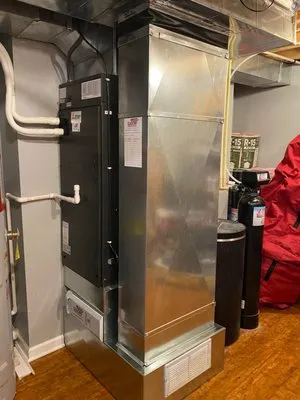
Gudorf Plumbing Heating Cooling Electrical
Gudorf Plumbing Heating Cooling Electrical is a family-owned and operated business serving Jasper, IN, and the surrounding communities since 1964. For three generations, the Gudorf family has built a ...
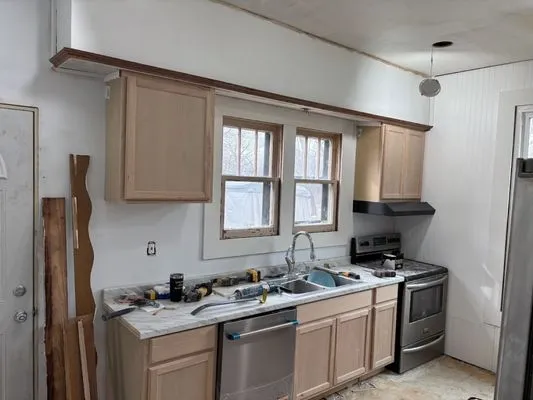
Mr. Odd Jobs in Lewisport, KY is your local, trusted handyman service, dedicated to providing reliable home repair and installation solutions. We understand the common household challenges faced by Le...

Bluegrass Home Inspection in Owensboro, KY, is a locally owned and operated inspection service with deep roots in the construction industry. Our team brings over 20 years of hands-on construction expe...
Estimated Plumbing Costs in Troy, IN
Questions and Answers
What should I do before spring to prevent plumbing issues?
Before temperatures drop to our 22°F lows during spring thaw, disconnect and drain outdoor hoses. Insulate exposed pipes in crawl spaces or basements, as freeze-thaw cycles put stress on older galvanized systems. Keep cabinet doors open to allow warm air circulation around pipes during cold snaps. These simple steps prevent most weather-related emergencies in our temperate climate.
How quickly can a plumber reach my home in Troy?
Heading past the Ohio River on State Road 66, most service calls take 45-60 minutes from dispatch. That route covers the main access corridor through Troy's hilly terrain. We factor in traffic patterns and weather conditions, but maintain consistent response windows by staging vehicles strategically along our service area.
Does Ohio River water damage water heaters?
Hard water from the Ohio River causes scale buildup inside water heater tanks and on heating elements. This mineral accumulation reduces efficiency by insulating heat transfer surfaces, forcing the unit to work harder. Over 5-10 years, scale can completely coat the bottom of conventional tanks, leading to premature failure and requiring more frequent flushing or replacement.
Are septic systems different to maintain in rural Troy?
Rural properties here typically combine well water systems with septic tanks. Hard water affects both—scale builds up in well equipment and can clog septic drain fields over time. We recommend annual septic inspections and water softener maintenance to manage mineral content. Unlike municipal systems, rural plumbing requires attention to both supply and waste components independently.
Who handles permits for plumbing work in Perry County?
The Perry County Building Department issues required permits for plumbing modifications. As a master plumber licensed through the Indiana Professional Licensing Agency, I submit all paperwork and coordinate inspections. Homeowners don't need to navigate code requirements or documentation—we manage the red tape to ensure work meets current standards and passes final inspection.
How does Troy's hilly landscape affect my main sewer line?
The slope toward the Ohio River creates gravitational stress on main sewer lines. Soil movement on hillsides can cause pipe joints to separate or develop low spots where waste accumulates. Proper grading around your foundation is essential to prevent surface water from following the natural slope into your basement or undermining pipe bedding. We often find drainage issues correlate with terrain features.
Why are so many homes on Main Street having plumbing problems lately?
Galvanized steel pipes installed around 1963 are now 63 years old. At this age, the zinc coating has completely worn away, exposing the underlying steel to corrosion. Homeowners are seeing rust-colored water, reduced pressure from mineral buildup inside pipes, and frequent leaks at threaded joints where the metal has thinned. This is the typical failure timeline for galvanized systems in our area.
What causes those small leaks in older homes' plumbing?
Galvanized steel pipes from the 1960s develop pinhole leaks due to internal corrosion. As scale accumulates and oxygen reacts with the steel, weak spots form along the pipe walls. Joint calcification also occurs where threaded connections lose their seal from decades of mineral deposits. These failures typically start appearing after 50-60 years of service.
