Top Emergency Plumbers in Sweetser, IN, 46987 | Compare & Call

There are 106 plumbing companies server in Sweetser IN
Mister Quik Home Services
Mister Quik Home Services has been central Indiana's trusted partner for home comfort and repair since 2000. For over 24 years, we've built our reputation in the Indianapolis area on reliability, affo...
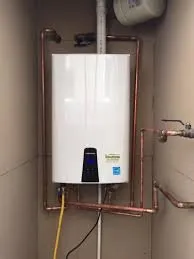
Wyatt & Son's Plumbing is a family-owned and operated plumbing contractor proudly serving Anderson, Muncie, Marion, Pendleton, Fishers, Noblesville, and surrounding communities. Formerly known as J & ...
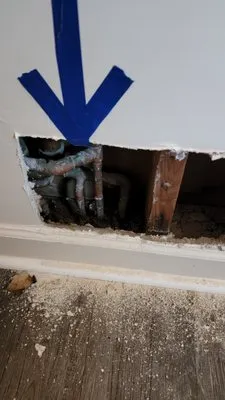
Precision Leak Detection is a family-owned plumbing inspection service based in Indianapolis, Indiana, specializing in accurate leak detection using non-destructive techniques. Founded in 2017 by an o...
New Creative Enterprise
With two decades of hands-on experience in home repair and maintenance, I founded this business to bring reliable, high-quality service to Indianapolis homeowners. My journey began with years of work ...
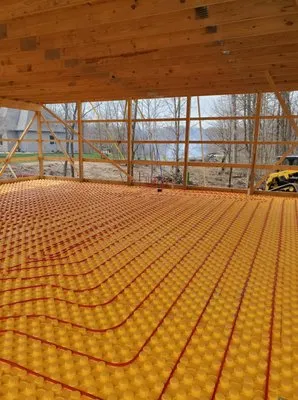
Quality Plumbing & Heating
Quality Plumbing & Heating Inc. has been serving Kokomo and Indiana since 1968. Founded by Buford and Delbert McDaniel, the family-owned business is now operated by the third generation. From its star...
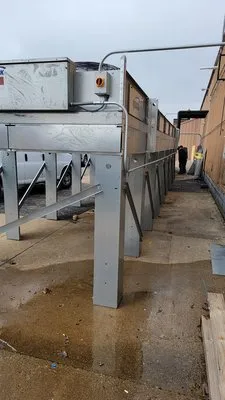
Quality Plumbing & Heating
Quality Plumbing & Heating Inc. is a trusted, third-generation family business serving Indianapolis and Central Indiana since 1968. Founded by Buford and Jerry McDaniel, we've built our reputation on ...
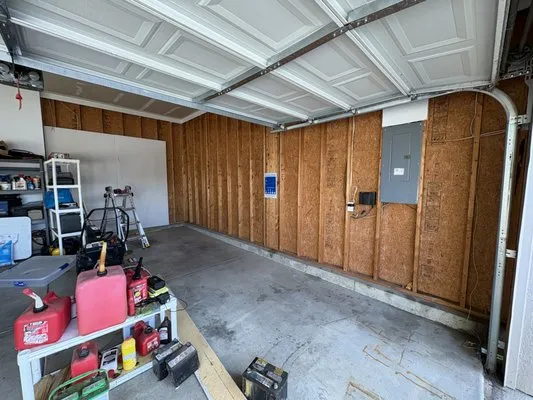
A&E Gas Tech is a trusted plumbing and gas service provider serving Zionsville, IN, and surrounding areas. We specialize in a comprehensive range of services including bathtub, drain, faucet, shower, ...
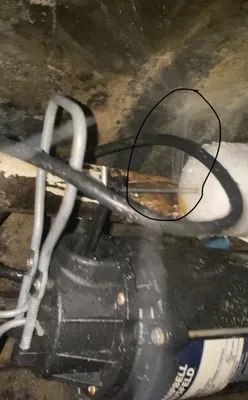
The Final Touch is a licensed and insured residential remodeling contractor serving Indianapolis and surrounding areas since 2018. Specializing in comprehensive home improvement services, they handle ...
Williams Comfort Air
Williams Comfort Air is a locally owned and operated home service company serving Carmel, Indiana, since 1966. As President, Greg Wells leads a process-driven team of experts who are committed to exce...
Home Comfort Experts
Home Comfort Experts is a Fort Wayne-based company dedicated to ensuring the comfort and reliability of your home's essential systems. We specialize in comprehensive residential plumbing, heating, air...
Estimated Plumbing Costs in Sweetser, IN
Q&A
Could the flat land around here cause drainage problems for my house?
The plain terrain around Sweetser Switch Trail means there's very little natural slope for water to run off. During heavy rains, saturated soil puts constant hydrostatic pressure on your home's foundation and the buried main sewer line. This can lead to water seeking entry through basement floor drains or cracks, and it increases the stress on old pipe joints, potentially causing the main line to shift and separate.
Do I need a permit to replace my water heater or repipe my house?
Yes, Grant County requires permits for water heater replacements and any major repiping work. As a master plumber licensed by the Indiana Professional Licensing Agency, I pull all necessary permits and schedule the required inspections. This ensures the work meets current code for safety and insurance purposes. My crew handles all the red tape so you don't have to navigate the building department paperwork yourself.
Does having a private well make my water heater fail faster?
Yes, the hard water common to our local wells accelerates scale buildup. Minerals like calcium and magnesium precipitate out of the heated water and form a thick, insulating layer on the bottom of the tank and on the heating elements. This forces the heater to work harder, increasing energy costs, and causes premature failure of the lower heating element. We recommend installing a whole-house water softener and flushing the tank annually to double the appliance's service life.
How long does it take a plumber to get to my house in Sweetser?
A standard dispatch route from our shop heads past the Sweetser Switch Trail onto State Road 18. From there, we take the county roads into your neighborhood. Barring heavy farm equipment or weather, we can typically be on-site within 30 to 45 minutes of your call. We keep our service trucks stocked for the common local failures so we can start diagnosing immediately upon arrival.
Why are the homes in Sweetser Town Center suddenly having so many plumbing issues?
Your home's original galvanized steel pipes are now 59 years old, having been installed around 1967. That material has a typical lifespan of 50-60 years. You're seeing the end-stage failure where decades of internal corrosion cause the pipe walls to thin dramatically. This results in widespread low water pressure across the house, rusty water at multiple fixtures, and recurring pinhole leaks that seem to pop up one after another.
What's the most common plumbing failure in a 1960s Sweetser home?
Complete galvanized pipe failure at the threaded joints is the most frequent call. After nearly six decades, mineral scale and rust completely fuse the male and female threads together. This calcification makes spot-repairs impossible; the pipe often cracks when you try to turn it. A full section replacement from a main shut-off to the fixture is usually the only permanent fix, which is why we recommend planning for a whole-house repipe when you see the first major joint failure.
What's one thing I should do every spring to avoid a plumbing disaster?
Before the spring thaw hits its peak, shut off and drain the water supply to any exterior hose bibs. While our low of 17°F isn't extreme, the repeated freeze-thaw cycles can cause water left in the line to expand and crack the pipe inside your wall. Doing this simple task prevents a costly leak that often goes unnoticed until you see water damage in the basement or crawlspace.
As a rural homeowner, what's the most important plumbing system to maintain?
Your septic system and well work as a closed loop, and failure in one directly impacts the other. A failing drain field can back sewage into your home, while a compromised well seal can introduce contamination. Have your septic tank pumped and inspected every three to five years, and ensure your well cap is securely sealed and the ground slopes away from it. Never ignore slow drains, as they are the first sign of a full septic system backup.
