Top Emergency Plumbers in South Haven, IN, 46385 | Compare & Call

There are 238 plumbing companies server in South Haven IN
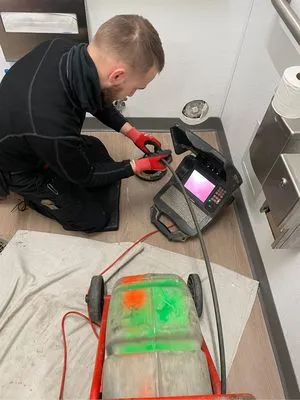
Rescue Plumbing
Rescue Plumbing has been a trusted, local plumbing service in Chicago since 2018. Founded by lifelong Chicagoland resident Benjamin Vance, our mission is rooted in integrity and building lasting relat...
DiFoggio Plumbing has been serving Chicago's plumbing needs for over a century, building a reputation for reliable service across residential, commercial, and industrial projects. As a union-affiliate...
Rescue Plumbing
Rescue Plumbing is a Chicago-based plumbing company founded in 2018 by lifelong Chicagoland resident Benjamin Vance. With a focus on integrity and customer-oriented service, we've built a trusted repu...
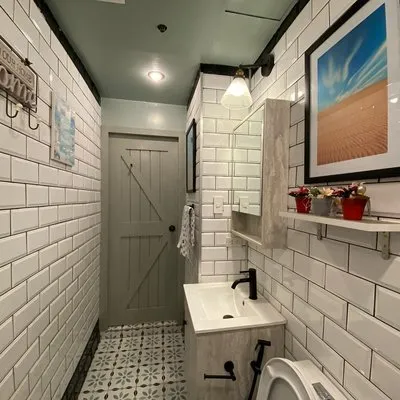
Grandview Plumbing & Boiler Repair
Grandview Plumbing & Boiler Repair is a licensed, full-service plumbing company serving Chicago and Cook County. With expertise in everything from routine maintenance to emergency repairs, we handle b...
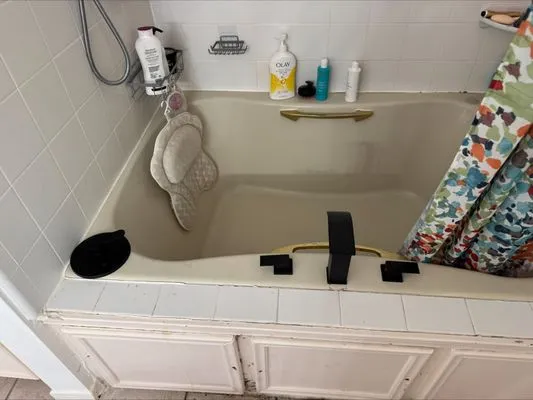
Chicago Plumbing
Chicago Plumbing is a full-service home maintenance and installation company serving Chicago, IL. We specialize in resolving common local plumbing issues like dishwasher leaks and pipe joint failures,...
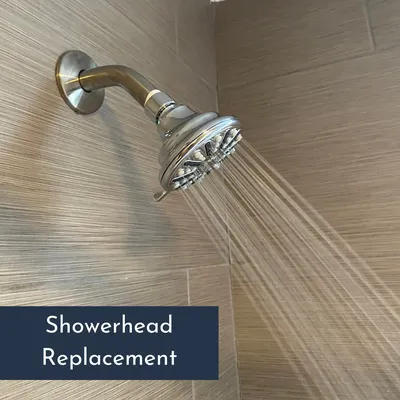
Chitown Property Services is a licensed and insured home services company serving the Chicago area. With over a decade of experience, we specialize in maintenance and renovation projects that keep loc...

Guaranteed Plumbing Heating Air
For over 40 years, Guaranteed Plumbing Heating Air has been a trusted name in Streamwood and the wider Chicagoland area. Our work is driven by a genuine dedication to plumbing and heating systems and ...
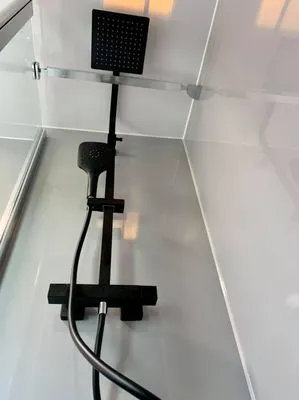
Broadview 24 Hour Plumber
Broadview 24 Hour Plumber provides reliable plumbing and HVAC services to residents and businesses throughout Cook County. Available around the clock, we specialize in residential plumbing repairs, em...
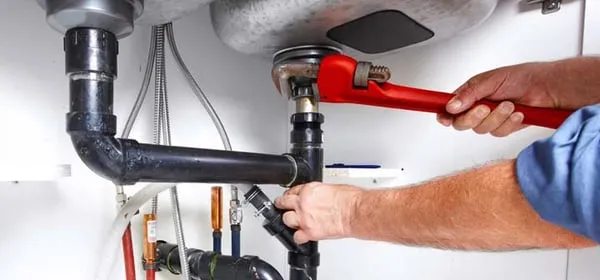
For over 35 years, B&D Plumbing and Sewer Service, Inc. has been a trusted, family-owned provider for New Lenox and surrounding Will, Cook, and DuPage counties. We specialize in a full spectrum of plu...
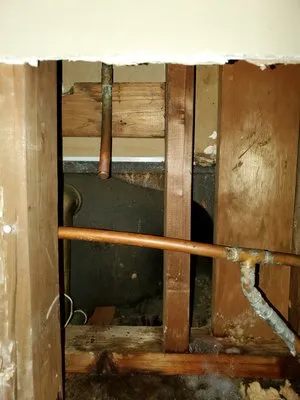
As the Administrative Manager of Troy Construction & Painting, I've had the privilege of seeing our customers' renovation ideas come to life since we started this family-owned business in 2014. With o...
Estimated Plumbing Costs in South Haven, IN
FAQs
As a South Haven homeowner, what should I know about municipal water pressure?
Municipal water pressure in suburban South Haven typically runs between 40-60 PSI, which is adequate for most homes but can stress older plumbing systems. Pressure regulators installed during the 1970s may be failing after decades of use, causing pressure spikes that accelerate pipe fatigue. Tree roots seeking moisture often infiltrate service laterals where they connect to the main line. Annual pressure checks and camera inspections of your lateral can prevent unexpected line failures.
Does Lake Michigan water affect my home's plumbing fixtures?
Lake Michigan's hard water brings mineral content that accumulates as scale inside pipes and appliances. Water heaters show this most visibly with sediment buildup that reduces efficiency and can cause premature failure. Fixtures like showerheads and faucet aerators clog with calcium deposits, reducing water flow over time. Installing a whole-house water softener helps, but existing scale in older systems may still require periodic descaling treatments.
How quickly can a plumber reach my South Haven home in an emergency?
Heading past Indiana Dunes National Park on I-94, a service vehicle can typically reach most South Haven addresses within 20-30 minutes during normal traffic conditions. The route follows I-94 eastbound with direct access via local exits. This response time accounts for navigating neighborhood streets once off the interstate, which is important when dealing with water emergencies that require immediate attention.
What permits do I need for plumbing work in Porter County?
Porter County Building Department requires permits for most plumbing modifications, including water heater replacements, sewer line repairs, and bathroom additions. As a master plumber licensed through the Indiana Professional Licensing Agency, I handle the permit applications, inspections, and compliance documentation. This ensures work meets current code requirements for safety and insurance purposes. Homeowners avoid the administrative burden while knowing the installation is properly documented for future reference.
Why do my 1970s copper pipes keep developing leaks?
Copper pipes from the early 1970s often experience joint calcification and pinhole corrosion after 55 years of service. The original flux used during installation can accelerate corrosion at solder joints, while water chemistry causes microscopic pits that eventually penetrate the pipe wall. You'll typically find these failures first at elbows and tees where water flow creates turbulence. Regular pressure testing can identify weak spots before they become major leaks.
How does South Haven's low-lying terrain affect my main sewer line?
The gradual slope toward Lake Michigan means groundwater naturally flows toward properties, putting constant hydrostatic pressure on buried drain lines. This pressure can cause joint separation in older clay or cast iron pipes, leading to root intrusion and soil infiltration. During heavy rains, the water table rises quickly, sometimes overwhelming older drainage systems. Proper grading around your foundation and regular main line inspections help identify issues before they become backups.
How old are the copper pipes in South Haven homes and what problems should I expect?
Copper plumbing in South Haven was typically installed around 1971, making it 55 years old in 2026. At this age, homeowners often notice pinhole leaks developing in pipe walls, especially at joints and bends where water turbulence occurs. The original solder joints may also show signs of fatigue from decades of thermal expansion and contraction. Many residents report small, persistent drips appearing in basements or behind walls that weren't there a few years ago.
What should I do before spring thaw to prevent plumbing problems?
Before temperatures rise above freezing, disconnect garden hoses and shut off exterior faucets from inside your home. Check that your basement sump pump is operational, as melting snow combined with our 18°F winter lows creates significant groundwater pressure. Insulate pipes in unheated crawl spaces, particularly where they enter the foundation. These steps help prevent burst pipes and basement flooding when the rapid thaw hits our Snow Belt region.
