Top Emergency Plumbers in Rockport, IN, 47635 | Compare & Call

There are 19 plumbing companies server in Rockport IN
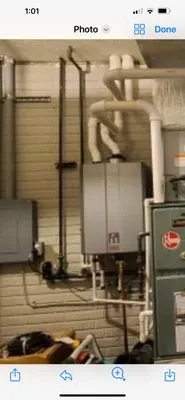
Brian Schmitt Heating and Cooling
Brian Schmitt Heating and Cooling is a family-owned HVAC and plumbing service provider serving Evansville, IN, and the surrounding tri-state area since 1958. With four generations of expertise, we spe...

Perfect Climate Heating, Air & Plumbing
For over 15 years, Perfect Climate Heating, Air & Plumbing has been a cornerstone of home comfort in Haubstadt. It all started in 2009 when owner Pat Gick, drawing on 24 years of industry experience, ...

HuntCanFixIt is your trusted, local handyman and repair service right here in New Pekin, IN. We tackle a wide range of home projects, from appliance and plumbing repairs to full-scale construction lik...

J E Shekell
J.E. Shekell Inc. has been a cornerstone of Evansville's home service industry since its founding in 1978 by John E. Shekell. Now led by President Kevin Shekell, a Reitz High School graduate who has w...
All Drainz is your trusted local plumbing expert in Boonville, IN, specializing in thorough plumbing inspections to tackle the area's most common home plumbing problems. Many Boonville homes face issu...

Ho Ho Handyman Services is a trusted local contractor based in Santa Claus, Indiana, with over 20 years of hands-on construction experience. Founded by an expert who built his own home from the ground...
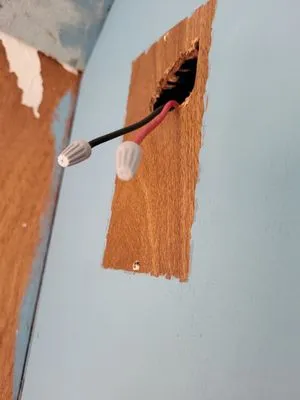
Start 2 Finish Painting And Handyman is a trusted local service provider in Tell City, IN, offering comprehensive home maintenance and repair solutions. From appliance installation and plumbing work t...
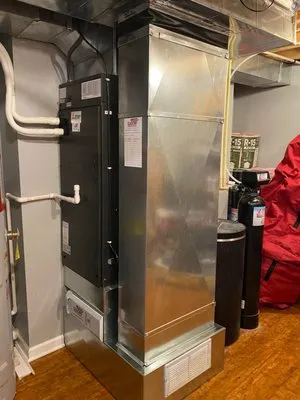
Gudorf Plumbing Heating Cooling Electrical
Gudorf Plumbing Heating Cooling Electrical is a family-owned and operated business serving Jasper, IN, and the surrounding communities since 1964. For three generations, the Gudorf family has built a ...
360 Septic Solutions is a trusted, local provider in Grandview, IN, specializing in essential plumbing inspections to protect your home. Many Grandview residents face common but disruptive plumbing is...

Stewart’s Backhoe & Dozer is a locally owned and operated Beaver Dam business specializing in excavation, land work, and plumbing services for homes and construction sites. We understand that many hom...
Estimated Plumbing Costs in Rockport, IN
FAQs
Why are my pipes suddenly failing in my Rockport home?
Galvanized steel pipes installed around 1967 are now 59 years old. In Downtown Rockport, homeowners are seeing rust-colored water, reduced water pressure, and frequent leaks as the interior zinc coating has worn away. The steel corrodes from the inside out, creating weak spots that fail under normal water pressure. This predictable aging means most original plumbing in our area needs replacement or significant repair.
How does Rockport's hilly terrain affect my drainage system?
The slope around Lincoln Pioneer Village & Museum creates drainage challenges that stress main sewer lines. Gravity pulls wastewater downhill, but soil erosion can expose or damage pipes. Uphill properties may experience slow drainage while downhill homes face backup risks during heavy rain. Proper grading and regular line inspections prevent most terrain-related issues.
What causes those small leaks in older Rockport plumbing?
Galvanized steel pipes from 1967 develop pinhole leaks due to internal corrosion and joint calcification. As the zinc coating deteriorates, oxygen in the water reacts with the steel, creating rust that eats through the pipe walls. Joints accumulate mineral deposits that crack fittings. These failures often start in hidden areas like crawl spaces or behind walls before becoming visible.
How quickly can a plumber reach my home in Rockport?
Heading past Lincoln Pioneer Village & Museum on US-231, our dispatch route covers most of Rockport within 45-60 minutes. We monitor traffic patterns and use back roads when needed to bypass congestion. For emergencies, we prioritize calls based on severity, not just location, so even homes farther out get timely service.
Does Ohio River water damage my home's plumbing?
Hard water from the Ohio River causes scale buildup that reduces efficiency and lifespan of water heaters and fixtures. Minerals like calcium and magnesium deposit on heating elements, forcing them to work harder and use more energy. Fixtures develop reduced flow as aerators clog. Installing a water softener or using dielectric unions between dissimilar metals can mitigate these effects.
Who handles permits for plumbing work in Spencer County?
I coordinate with the Spencer County Building Department for all required permits and handle Indiana Professional Licensing Agency compliance. This includes pressure tests, inspections, and code updates for water heater replacements or repiping projects. Homeowners don't need to navigate this red tape—I manage the paperwork so your project meets local regulations without delays.
Are septic systems different to maintain in rural Rockport?
Rural Rockport properties with septic systems require different maintenance than municipal sewer connections. Septic tanks need pumping every 3-5 years depending on household size, and drain fields can fail if overloaded. Well water systems need regular testing for hardness and contaminants. Unlike city water, pressure regulation happens at the well pump, so consistent pressure issues often indicate pump or tank problems.
What should I do before spring thaw to prevent plumbing problems?
With lows around 22°F and spring thaw creating pressure surges, insulate exposed pipes in unheated areas like crawl spaces and basements. Disconnect garden hoses and shut off outdoor faucets from inside. Check for leaks at pipe joints that may have contracted during cold snaps. A pro-tip: keep cabinet doors open under sinks to allow warm air circulation during freezing nights.
