Top Emergency Plumbers in Rockcreek, IN, 46714 | Compare & Call

There are 79 plumbing companies server in Rockcreek IN
Legacy Plumbing Heating & Air
Legacy Plumbing Heating & Air is a family-owned and operated Fort Wayne business serving the community since 2000. Founded by Vicky Griffin alongside three generations of her family, the company began...
Since becoming a licensed plumber in 1997, Chet Voglewede has built a trusted reputation in Fort Wayne by providing comprehensive plumbing services directly to homeowners. As the owner and operator, y...

Sheets Air Conditioning Heating & Plumbing
Sheets Air Conditioning Heating & Plumbing is a trusted full-service provider serving Fort Wayne, IN, and surrounding areas. We specialize in both residential and commercial HVAC and plumbing solution...
Gordon & Sloffer
Since 1954, Gordon & Sloffer, Inc. has been the trusted local name for well water and plumbing in Churubusco, Indiana. As a licensed and insured family business serving three generations, we specializ...

Home Comfort Experts
Home Comfort Experts is a Fort Wayne-based company dedicated to ensuring the comfort and reliability of your home's essential systems. We specialize in comprehensive residential plumbing, heating, air...
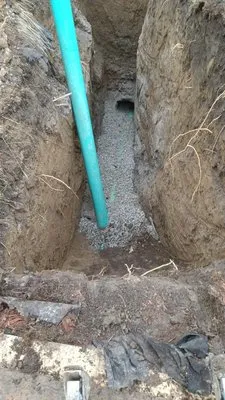
Shoda Sewer Service has been the trusted Fort Wayne and Allen County name for dependable sewer and drain solutions since 1963. Founded on a tradition of local ownership and operation, we specialize in...
A-1 Sanitary Sewer & Drain Service
A-1 Sanitary Sewer & Drain Service has been a trusted local plumbing resource in Fort Wayne for over three decades. Our team of licensed technicians specializes in sewer and drain repairs, installatio...
North Side Plumbing & Heating
North Side Plumbing & Heating is a third-generation, family-owned plumbing company that has been a trusted fixture in Fort Wayne and surrounding communities since 1929. Our team of experienced, licens...
Fort Wayne Plumbing
Fort Wayne Plumbing is a locally owned and operated service founded by Jeremiah Bentley in 2017. With a diverse construction background spanning concrete, framing, and roofing, Jeremiah chose to focus...
Korte Does It All
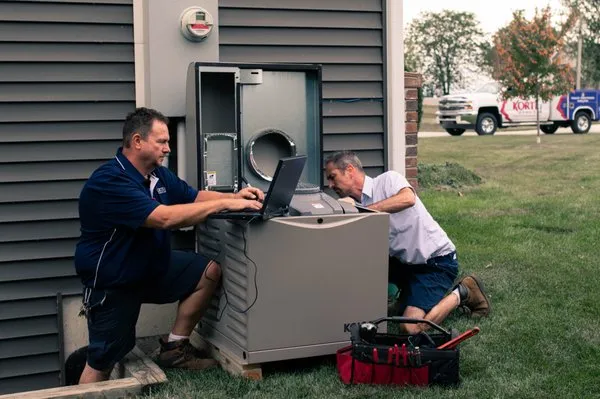
Korte Does It All is a family-owned home services company that has been serving the Fort Wayne area, including New Haven, since 1965. With over 55 years of experience, they specialize in plumbing, hea...
Estimated Plumbing Costs in Rockcreek, IN
Questions and Answers
I'm on a well and septic system in rural Rockcreek. What maintenance is critical?
Your entire water system relies on the well pump's pressure tank and the septic field's drainage. Have the pump's pressure switch and bladder tank checked every two years; a failing switch can burn out the pump motor. For the septic, pump the tank every three to five years without fail. Adding a whole-house sediment filter on the main line after the pressure tank will protect your fixtures and water heater from the sand and silt that wells can draw in.
Does the Wabash River water cause problems for home plumbing?
The mineral content from the watershed leads to very hard water. This scale buildup acts like insulation inside your water heater, forcing it to work harder and shortening its lifespan. You'll also see it crusting on faucet aerators and showerheads, reducing flow. For appliances, that same scale can clog inlet valves on washing machines and dishwashers, leading to premature failure. It's a slow, cumulative issue that damages hardware over years.
How fast can a plumber get to my house near the Rockcreek area?
My typical dispatch route has me heading past Wells County Courthouse onto State Road 116, which is the main artery for this part of the county. From there, it's a straight shot into the neighborhoods. Barring road work or weather, that puts me at your door in about 45 to 60 minutes from the time you call. I keep my truck stocked for the common calls here, so that time includes being ready to work.
Could the flat land around Wells County be causing my slow drains?
The plain terrain here lacks the natural gravitational slope needed for ideal drainage. Over decades, this can allow sediment and grease to settle and compact in your main sewer line, even if it was pitched correctly during installation. That low-grade backup often manifests first in a basement floor drain or the lowest fixture in the house. It's not always a clog; sometimes it's just the physics of our flat landscape slowly catching up with the pipe.
My house in Rockcreek Center was built around 1978. What kind of plumbing issues should I expect now?
Homes from that era are hitting the 48-year mark. For copper systems, that's a critical age where the original pipe walls begin to thin from decades of water flow and mineral interaction. What you'll see now are pinhole leaks appearing in straight runs of pipe, especially in hot water lines, and failing solder joints at the elbows. It's not a question of if, but when, these age-related failures will start showing up in walls and ceilings.
What permits do I need for a water heater replacement in Wells County?
The Wells County Building Department requires a permit for any water heater replacement, as it involves gas, pressure, and safety relief systems. As a master plumber licensed through the Indiana Professional Licensing Agency, I pull that permit, schedule the inspection, and ensure the installation meets all current code. My license number is on the paperwork. This handles the red tape for you and guarantees the work is documented, which is essential for your home's records and insurance.
What's one thing I should do each spring to avoid a plumbing disaster?
Before the spring thaw hits its peak, shut off the water supply to your exterior hose bibs from inside the house and open the outdoor valve to drain it. Our lows around 18 degrees mean any residual water in that line can freeze and crack the bib or the pipe behind your siding. This is a five-minute task that prevents a costly leak when you go to use the hose for the first time. It's the most overlooked item in our temperate climate.
Why does my 1970s copper plumbing keep springing pinhole leaks?
Copper installed in 1978 has spent nearly five decades in contact with our hard water. A specific failure mode for this age is pitting corrosion, where microscopic imperfections in the pipe's interior wall become focal points for erosion. This creates pinhole leaks that often spray a fine mist inside a wall cavity long before you see water damage. The solder used in those joints also becomes brittle and can crack, especially after many thermal cycles from your water heater.
