Top Emergency Plumbers in Putnamville, IN, 46170 | Compare & Call

There are 60 plumbing companies server in Putnamville IN
At Home Plumbing is your trusted local plumbing service in Greencastle, IN. We specialize in solving the common plumbing headaches that Greencastle homeowners face, from stubborn kitchen grease clogs ...
Mister Quik Home Services
Mister Quik Home Services has been central Indiana's trusted partner for home comfort and repair since 2000. For over 24 years, we've built our reputation in the Indianapolis area on reliability, affo...
A Team Plumbing Services
A Team Plumbing Services is your trusted, locally owned plumbing partner in Indianapolis. We provide comprehensive plumbing solutions for both homes and businesses, specializing in the installation an...

Cupp My Plumber is a trusted, locally-owned plumbing service based in Danville, IN, serving the community and surrounding areas like Indianapolis for years. As a family-operated business with deep roo...
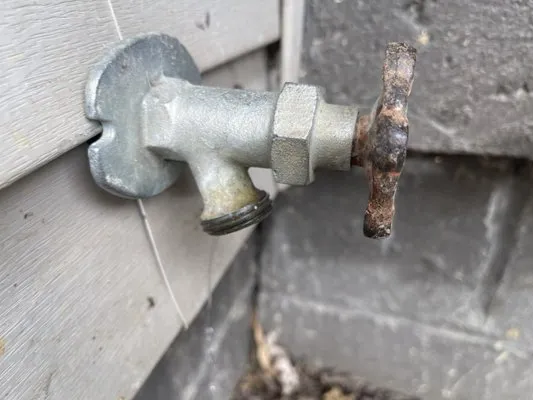
Hoggatt Plumbing is a trusted local plumbing service in Terre Haute, IN, offering comprehensive solutions for residential and commercial needs. With expertise in bathtub, drain, faucet, gas line, sewe...
Precision Leak Detection is a family-owned plumbing inspection service based in Indianapolis, Indiana, specializing in accurate leak detection using non-destructive techniques. Founded in 2017 by an o...

Mister Water Heater is a family-owned and operated plumbing service proudly serving Indianapolis and surrounding communities like Greenwood and Beech Grove. With over 60 years of experience, we have b...
Roto-Rooter Plumbing & Water Cleanup
Roto-Rooter Plumbing & Water Cleanup in Avon, IN is a locally trusted, fully staffed team ready to help 24/7. Our dependable, fast, and friendly plumbers provide a wide range of services for homeowner...
E & E Plumbing and Drains is a woman-owned, family-operated plumbing business serving Nashville, IN, with over 30 years of combined expertise in the trade. Founded by Frank, who brings three decades o...
Justin Dorsey Plumbing
Justin Dorsey Plumbing has been the trusted, family-owned plumber for Danville and Central Indiana for over 40 years. Operating from our local base, we provide 24/7 emergency service with upfront pric...
Estimated Plumbing Costs in Putnamville, IN
Question Answers
Do I need a permit to replace my water heater, and how does that work?
Yes, Putnam County Building Department requires permits for water heater replacements. As a master plumber licensed by the Indiana Professional Licensing Agency, I handle pulling that permit, scheduling the inspection, and ensuring the installation meets all current code for pressure relief and seismic straps. My license means I manage the red tape so you don't have to.
What's the most important thing to do with my plumbing before spring?
Before the spring thaw hits its peak, make sure any exposed pipes or hose bibs on the north side of your house are insulated. Our winter lows around 20 degrees aren't extreme, but the repeated freeze-thaw cycles in a temperate climate can fatigue pipe joints and fittings. A slow drip on the coldest faucet overnight during a hard freeze can prevent a costly burst from pressure buildup.
Could the hilly land around here be causing my main drain to back up?
It's a strong possibility. The hilly terrain around Putnamville puts constant stress on the main sewer line running from your house to the septic tank or street. Over decades, the soil can shift and settle, creating low spots or putting pressure on pipe joints. This stress can cause the line to sag, crack, or separate, leading to recurring drain blockages and backups.
Does having a private well with hard water damage my plumbing?
Yes, it accelerates wear. Hard water from a private well carries minerals that deposit as scale inside pipes and appliances. This scale acts like cement, narrowing pipe diameter and insulating water heater elements, forcing them to work harder and fail sooner. Over years, the combination of well water chemistry and old galvanized pipes creates a perfect environment for blockages and reduced flow.
How long does it take for a plumber to get out here from the main road?
My typical dispatch route from town starts by heading past the Putnamville Correctional Facility on US-40 before turning off onto the county roads. For most calls in the district, that's a 45 to 60 minute drive door-to-door. I plan for that transit time when you call so you have a clear window for my arrival.
Are septic tank problems different out here than in town?
They are. In a rural setting like ours, you're responsible for the entire system from the house to the drain field. A failure isn't a call to the city; it's a significant repair on your property. Issues often stem from the age of the system combined with the hard water scale that can affect pumps and valves, or tree roots seeking moisture in the drain field area.
Why do my old pipes keep springing pinhole leaks in the same spots?
Galvanized steel from the mid-50s fails predictably. The zinc coating that prevents corrosion wears away over decades, leaving the bare steel to rust from the inside. This creates weak spots, and pinhole leaks often appear at threaded joints or where the pipe is thinnest. Once one pinhole forms, others nearby are usually not far behind because the entire pipe section is compromised.
My water pressure is low and my water looks rusty. Is this normal for a house my age in Putnamville?
For homes in the Putnamville Historic District built around 1955, that means the galvanized steel pipes are now 71 years old. It's not normal, but it's very common. You're seeing the final stage of internal corrosion and scale buildup that has been progressing for decades. The pipes are likely severely restricted, and rust flakes are breaking loose into your water.
