Top Emergency Plumbers in Pleasant, IN, 46131 | Compare & Call

There are 240 plumbing companies server in Pleasant IN

Winters Plumbing is a family-owned and operated plumbing service based in Greenwood, Indiana, with over 20 years of experience serving both residential and commercial clients. As a licensed contractor...
Hope
Hope Plumbing began when founders Jack Hope and Brad Persic started doing plumbing work to pay for school. Their reliable service grew so popular that by the time they graduated, they had added more p...
Dutton Plumbing, Inc. is a full-service plumbing company serving Whiteland, IN, and surrounding areas since 2021. With nearly 2000 jobs completed across the state, we provide reliable plumbing service...

Jay Harrell Plumbing is a trusted Indianapolis plumbing service dedicated to helping local homeowners maintain safe, efficient systems. Many Indianapolis homes face common issues like water heater sed...
Grateful Plumber
Adam, a highly experienced licensed plumber, founded Grateful Plumber to serve the greater Indianapolis area with a commitment to quality and reliability. We believe a successful plumbing business is ...
Rapid Response Plumbing
Rapid Response Plumbing provides Brownsburg homeowners and businesses with dependable plumbing solutions. We specialize in resolving common local issues like drain clogs and pipe joint leaks, using pr...
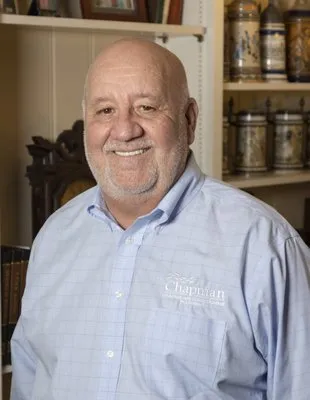
Chapman Heating, Air Conditioning & Plumbing
Chapman Heating, Air Conditioning & Plumbing is a locally owned and operated HVAC and plumbing company that has been serving Central Indiana for over 40 years. As the largest independent Bryant dealer...

Carter's My Plumber
Carter's My Plumber is a third-generation, family-owned plumbing business proudly serving Greenwood, IN, and the wider Indianapolis area since 1976. Founded on a legacy of craftsmanship, the company w...
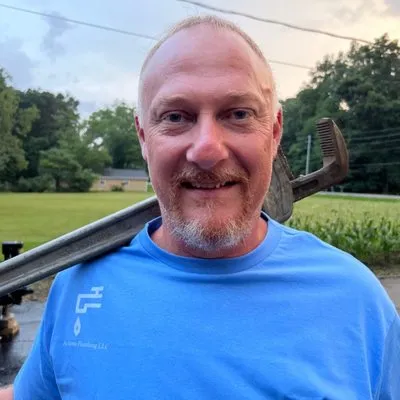
At Home Plumbing is your trusted local plumbing service in Greencastle, IN. We specialize in solving the common plumbing headaches that Greencastle homeowners face, from stubborn kitchen grease clogs ...
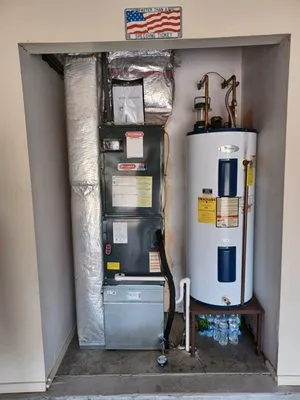
Peterman Brothers
Peterman Brothers began in 1986 when Pete, an HVAC contractor in Beech Grove, noticed his community deserved better service and founded Peterman Heating & Cooling to provide genuine, personalized care...
Estimated Plumbing Costs in Pleasant, IN
Question Answers
What causes those small, persistent leaks in my old pipes?
Galvanized steel from the late 1950s fails in a specific way. Internal corrosion creates weak spots that turn into pinhole leaks, often hidden inside walls. At the threaded joints, decades of mineral scale buildup can cause calcification and cracking, leading to drips at fittings and valves that are difficult to stop completely.
How quickly can a plumber get to me in Pleasant?
From our shop, a typical dispatch route heads past the Switzerland County Courthouse onto State Road 56. That main artery gets us through the heart of the county. Expect a 45 to 60 minute response window for most calls, allowing for the winding roads and driveways common in this area.
Could my home's hillside location cause plumbing problems?
Absolutely. The hilly terrain around Pleasant puts constant, uneven stress on the main sewer line running from your house to the street. Over years, this can cause the pipe to sag, develop bellies where waste collects, or even separate at the joints. It's a common culprit for slow drains and recurring backups in older homes.
What's the most important plumbing task before spring in Pleasant?
Disconnect and drain your outdoor garden hoses before the first hard freeze. Trapped water expands, cracking the faucet's interior valve (the hose bib) or the pipe leading to it. This damage often stays hidden until the spring thaw, when you turn the water on and find a major leak in your basement or crawlspace wall.
Why are my pipes suddenly making noise and losing pressure?
Your home likely has original galvanized steel plumbing from 1958, which makes the system 68 years old in 2026. After nearly seven decades, the interior of these pipes corrodes and narrows from mineral deposits. Homeowners in Pleasant Center are now seeing the widespread result: severely restricted water flow, audible banging or rattling, and eventually, complete blockages.
What's different about maintaining a rural home's plumbing system?
Rural systems here rely on a private well and a septic tank/leach field, not municipal connections. That means water pressure is managed by a well pump and pressure tank, and all waste is processed on your property. Maintenance focuses on pump longevity, water quality from the well, and preventing septic system overloads that can lead to costly yard repairs.
Do I need a permit to replace my water heater in Switzerland County?
Yes, the Switzerland County Building Department requires permits for water heater replacements to ensure proper safety and code compliance. As a master plumber licensed by the Indiana Professional Licensing Agency, I handle pulling the permit, scheduling the inspection, and managing all the red tape so you don't have to worry about it.
Does our Ohio River water damage my water heater?
Yes, the hard water common here accelerates scale buildup inside your water heater's tank and on its heating elements. This insulating layer of minerals forces the unit to work harder, reducing its efficiency and lifespan. You'll notice shorter hot water runs and higher energy bills long before a complete failure.
