Top Emergency Plumbers in Pleasant View Village, IN, 46124 | Compare & Call

Pleasant View Village Emergency Plumbers
Phone : (888) 860-0649
There are 195 plumbing companies server in Pleasant View Village IN

Winters Plumbing is a family-owned and operated plumbing service based in Greenwood, Indiana, with over 20 years of experience serving both residential and commercial clients. As a licensed contractor...
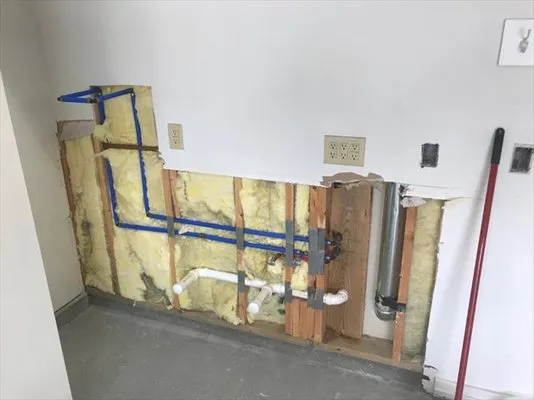
Steve Morin Plumbing Service
Steve Morin Plumbing Service is a veteran-owned plumbing business serving Indianapolis and Hamilton County since 1986. Founded by Steve Morin, a U.S. Army veteran who began his plumbing career after s...
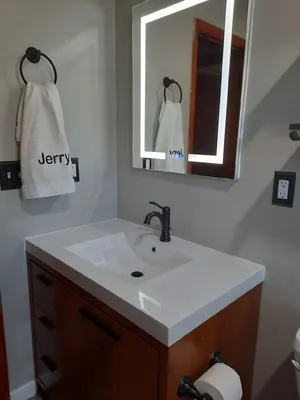
Dutton Plumbing, Inc. is a full-service plumbing company serving Whiteland, IN, and surrounding areas since 2021. With nearly 2000 jobs completed across the state, we provide reliable plumbing service...

Jay Harrell Plumbing is a trusted Indianapolis plumbing service dedicated to helping local homeowners maintain safe, efficient systems. Many Indianapolis homes face common issues like water heater sed...
Grateful Plumber
Adam, a highly experienced licensed plumber, founded Grateful Plumber to serve the greater Indianapolis area with a commitment to quality and reliability. We believe a successful plumbing business is ...
Rapid Response Plumbing
Rapid Response Plumbing provides Brownsburg homeowners and businesses with dependable plumbing solutions. We specialize in resolving common local issues like drain clogs and pipe joint leaks, using pr...
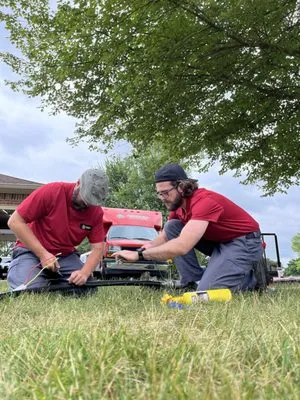
Cornwell Plumbing
Cornwell Plumbing has been the trusted plumbing service for Zionsville and surrounding communities since 1989. As a family-owned business, we provide comprehensive plumbing solutions for both resident...

Carter's My Plumber
Carter's My Plumber is a third-generation, family-owned plumbing business proudly serving Greenwood, IN, and the wider Indianapolis area since 1976. Founded on a legacy of craftsmanship, the company w...
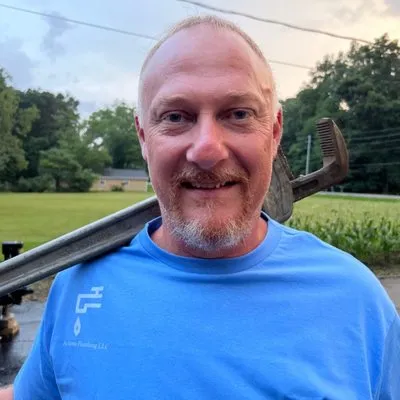
At Home Plumbing is your trusted local plumbing service in Greencastle, IN. We specialize in solving the common plumbing headaches that Greencastle homeowners face, from stubborn kitchen grease clogs ...
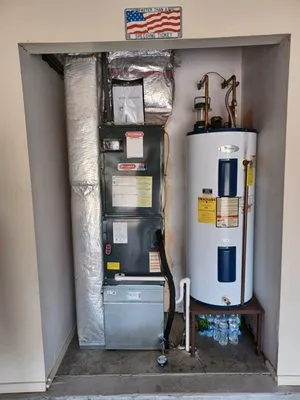
Peterman Brothers
Peterman Brothers began in 1986 when Pete, an HVAC contractor in Beech Grove, noticed his community deserved better service and founded Peterman Heating & Cooling to provide genuine, personalized care...
Estimated Plumbing Costs in Pleasant View Village, IN
Question Answers
Who handles permits for a water heater replacement or a bathroom remodel?
Permits for plumbing work in Pleasant View Village fall under the Indianapolis Department of Business and Neighborhood Services. As a master plumber licensed by the Indiana Professional Licensing Agency, I pull all required permits, schedule inspections, and ensure the work meets current code. My credentials mean I handle that red tape so you don't have to navigate the bureaucracy, and the job is documented correctly for your home's records.
What causes those tiny pinhole leaks in copper pipes?
Pinhole leaks in 1970s copper are usually caused by a combination of age and localized corrosion. Over five decades, minerals in our hard water can create microscopic pits in the pipe wall, especially at solder joints or where pipes contact dissimilar metals without proper dielectric unions. The leak starts small but rapidly erodes the surrounding copper, leading to a sudden failure that can release a significant amount of water before it's noticed.
What's the most important spring plumbing maintenance for this area?
Before the spring thaw hits its peak, shut off and drain any exterior hose bibs from inside the house. A night at 20°F can freeze the water trapped in that short pipe stub, and when it thaws, you'll find the split. This simple five-minute task prevents the most common freeze-related leak we see in our temperate climate, where homeowners often forget bibs after a mild winter.
How fast can a plumber get to my house in Pleasant View Village?
A 25 to 35 minute dispatch is standard. The route typically starts by heading past Pleasant View Community Park to access I-65, which provides a direct corridor into the neighborhood. Traffic on the interstate is the main variable, but this path avoids most surface street delays, allowing for a reliable and predictable arrival window for emergency calls.
Could the flat land near Pleasant View Community Park cause drainage issues?
Plain terrain lacks the natural slope for gravity to assist with drainage, so sump pumps and ejector pits become critical. If the pump fails during a heavy rain or spring thaw, water has nowhere to go and will back up into the basement. The soil here also settles uniformly over time, which can put steady, downward stress on the main sewer line running from your house to the street, potentially causing a low spot where waste collects and leads to blockages.
As a suburban homeowner, what should I know about my main sewer line?
Your lateral line from the house to the municipal main is your responsibility. In a suburban setting like this, the most common issue is root intrusion from mature trees seeking moisture, which can crack clay pipes or infiltrate joints in older PVC. A video inspection every few years can identify roots or bellys—sags in the line—before they cause a complete backup, saving you from a much more expensive emergency repair.
Does White River water damage my water heater or fixtures?
The mineral content from the White River watershed results in very hard water. This causes scale to build up inside water heaters, reducing efficiency and lifespan, and it crusts on faucet aerators and showerheads, restricting flow. Installing a whole-house water softener is the most effective defense, as it prevents this scale from forming in the first place, protecting your appliances and maintaining water pressure.
Why are houses built in the 1970s around Pleasant View Estates starting to have so many pipe problems?
Copper pipe installed in 1973 is now 53 years old, which is at the far end of its expected service life for our water conditions. Homeowners here are seeing a predictable failure cycle, where pipes thin out from decades of hard water flow and begin springing pinhole leaks, often behind walls or under slabs. This isn't random failure; it's the material reaching its natural endpoint, and entire repipes are becoming a common neighborhood project to prevent recurring water damage.
