Top Emergency Plumbers in Pipe Creek, IN, 46001 | Compare & Call

There are 129 plumbing companies server in Pipe Creek IN

T & C Plumbing was founded in 2022 by a McCordsville plumber who saw a local need for fair and affordable plumbing services. Frustrated by high prices in the area, the owner made a commitment to alway...
Rooterman
RooterMan in Muncie, IN, is a locally owned plumbing service with deep roots in the community. Founded by Rick, a former USAF veteran and software professional who transitioned to plumbing to pursue h...

Mister Quik Home Services
Mister Quik Home Services has been central Indiana's trusted partner for home comfort and repair since 2000. For over 24 years, we've built our reputation in the Indianapolis area on reliability, affo...

Roby's Plumbing
Roby's Plumbing is a third-generation, family-owned plumbing business that has been serving Indianapolis and surrounding communities since 1955. As a locally owned company, we understand the unique pl...
Wyatt & Son's Plumbing is a family-owned and operated plumbing contractor proudly serving Anderson, Muncie, Marion, Pendleton, Fishers, Noblesville, and surrounding communities. Formerly known as J & ...
Plumbing Heating Paramedics
Plumbing Heating Paramedics is a family-operated plumbing and HVAC company proudly serving Noblesville since 2011. Built on a foundation of honesty and integrity, we distinguish ourselves by never usi...
Penn Plumbing
For over two decades, Penn Plumbing has been the trusted plumbing service for homes and businesses across Central Indiana, including Indianapolis. We understand that plumbing problems can be disruptiv...
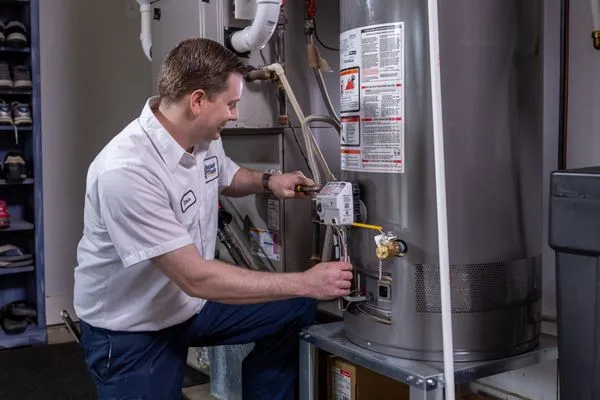
Benjamin Franklin Plumbing of Indianapolis brings years of local plumbing experience to every job, focusing on quality work and clear communication for homeowners. Our team of background-checked and t...

Summers Plumbing Heating & Cooling
Summers Plumbing Heating & Cooling has been a trusted provider of plumbing, heating, and cooling services in Anderson, IN, and across Indiana and Ohio for over 40 years. With 16 locations and extensiv...
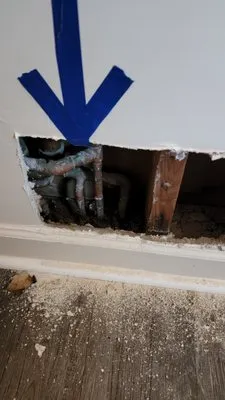
Precision Leak Detection is a family-owned plumbing inspection service based in Indianapolis, Indiana, specializing in accurate leak detection using non-destructive techniques. Founded in 2017 by an o...
Estimated Plumbing Costs in Pipe Creek, IN
Q&A
My home in Pipe Creek Estates was built around 1969. What should I expect from my plumbing now?
Galvanized steel pipes installed in 1969 are now 57 years old. At this age, homeowners in Pipe Creek Estates commonly see reduced water pressure from internal corrosion buildup. You might notice rust-colored water when taps first open or hear knocking sounds as water struggles through narrowed passages. Complete pipe failure often occurs between 50-70 years, so proactive inspection is wise.
How quickly can a plumber reach my home in Pipe Creek?
Heading past Pipe Creek Falls on State Road 244, most service calls take 45-60 minutes from dispatch. That route covers the main access through the area. We factor in local traffic patterns and weather conditions to provide accurate arrival windows. Clear communication about your exact location helps streamline the final approach.
Could the flat land around Pipe Creek Falls affect my drainage?
Plain terrain lacks natural slope for gravity drainage, so systems depend on proper grading. Soil saturation around Pipe Creek Falls during wet periods can stress main sewer lines through hydrostatic pressure. Ensure downspouts direct water at least five feet from your foundation. Consider French drains if you notice standing water near your home after heavy rains.
How does rural living in Pipe Creek impact my plumbing maintenance?
Rural properties with private wells and septic systems require different maintenance than municipal services. Well pumps need periodic pressure tank checks and sediment filter changes. Septic systems should be pumped every 3-5 years depending on household size. Keep records of your well depth and septic field location for service professionals.
Does well water damage my plumbing fixtures?
Private wells in Pipe Creek supply hard water that causes scale buildup. Water heaters accumulate mineral deposits on heating elements, reducing efficiency and shortening tank life. Fixtures develop reduced flow as aerators clog with calcium deposits. Installing a whole-house water softener protects appliances and maintains consistent water quality throughout your home.
What should I do before spring thaw to prevent plumbing problems?
With winter lows around 19°F, insulate exposed pipes in crawl spaces and along exterior walls before temperatures rise. Spring thaw can reveal leaks that developed during freeze cycles. Check outdoor spigots for slow drips that indicate cracked pipes. Drain sediment from water heater tanks to remove minerals concentrated during cold-weather heating cycles.
Who handles permits for plumbing work in Franklin County?
The Franklin County Building Department issues permits for plumbing modifications. As a master plumber licensed through the Indiana Professional Licensing Agency, I handle all required paperwork and inspections. This includes submitting plans, scheduling county inspections, and providing certified documentation upon completion. You receive finished work with all compliance matters resolved.
Why do my older pipes keep springing small leaks?
Galvanized steel from 1969 develops pinhole leaks as internal corrosion weakens the pipe walls. Joint calcification also occurs where mineral deposits from hard water cement threaded connections. These failures typically start at elbows and tees where water turbulence accelerates wear. Addressing one leak often reveals others nearby due to uniform material aging.
