Top Emergency Plumbers in Oxford, IN, 47971 | Compare & Call

There are 14 plumbing companies server in Oxford IN
C & C Plumbing & Heating
C & C Plumbing & Heating is a trusted, locally-owned plumbing company serving Watseka and the surrounding Iroquois County area. We understand the common plumbing challenges local homeowners face, part...
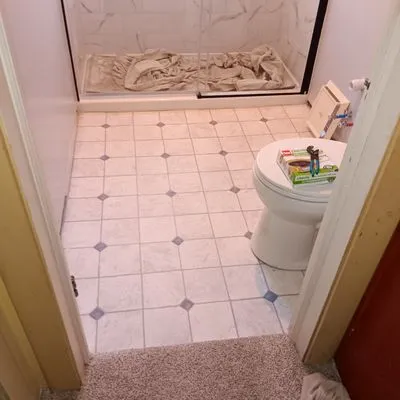
S. Henderson Plumbing, L.L.C. is a family-owned and operated Thorntown plumbing company founded on over 25 years of trusted service. As a city-licensed and bonded Master Plumber, owner Steve Henderson...
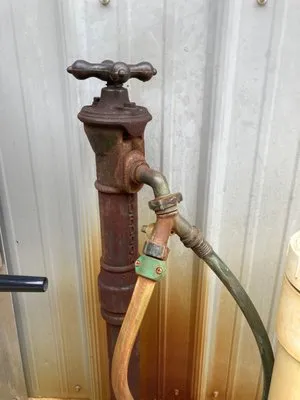
Central Indiana Plumbing and Well Service
Central Indiana Plumbing and Well Service is a family-owned and operated plumbing and well company proudly serving the residents and businesses of Colfax, Indiana, and the surrounding counties since 2...

Peterman Brothers
Since opening our doors in 1986, Peterman Brothers has been the trusted local name in Lafayette for reliable plumbing, heating, and air conditioning solutions. We handle everything from routine plumbi...
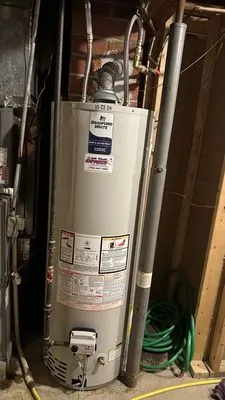
Water Heater Express is a family-owned and operated plumbing company that has been a trusted part of the Lafayette community since 1947. Founded on integrity, kindness, and hard work, the business is ...
Blue Fox Heating & Cooling
Blue Fox Heating & Cooling is a locally owned HVAC and plumbing company serving West Lafayette, IN, and the surrounding Lafayette area since 2018. Founded by JD Disher, Jared Manny, and Cody Slate, th...

JD Home Service Solutions
JD Home Service Solutions is your trusted local expert for home appliance and plumbing services in Lafayette, Indiana. We specialize in a comprehensive range of installations and repairs, from cooktop...

Hughes Plumbing is a locally owned and operated Lafayette plumbing company founded on over 25 years of dedicated experience. Owner and lead technician brings a unique background from major local pharm...

Brenneco
For over 30 years, Brenneco has been a trusted, family-owned plumbing resource for Lafayette and surrounding communities. We specialize in both residential and commercial plumbing, offering comprehens...
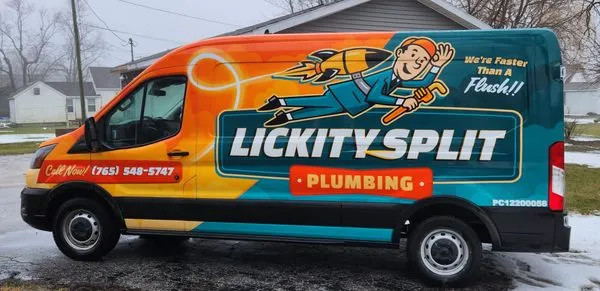
Lickity Split Plumbing
Lickity Split Plumbing is a trusted local plumbing service in West Lafayette, IN, founded by master plumber Josh Connor. With deep roots in the community, Josh leads a skilled team dedicated to reliab...
Estimated Plumbing Costs in Oxford, IN
FAQs
Could the flat land around here cause drainage problems for my plumbing?
The relatively plain terrain means there's little natural slope to assist waste flow from your home to the septic tank or main sewer. If your main drain line has even a slight belly or sag—a common issue over 70 years—solids can settle and cause recurrent clogs. We check line pitch with a camera during diagnostics. Proper grading around your foundation is also key to prevent storm water from stressing the system.
How quickly can a plumber get to my home in Oxford?
A typical dispatch route from our shop has us heading past Oxford Town Park on US-52. From there, we fan out into the residential streets. Given the rural layout, you can expect a service vehicle at your door in about 45 to 60 minutes for a standard call. We factor in local traffic and the final turn-off distance from the main road when giving you an ETA.
What's the most important plumbing maintenance for an Oxford winter?
The critical action is to disconnect and drain your outdoor garden hoses before temperatures hit the seasonal low around 18°F. A hose left connected traps water in the faucet's interior valve, which freezes and splits the brass. This damage often isn't apparent until you turn the water on in spring and have a flood inside your wall. It's a simple, five-minute task that prevents a very costly repair.
My water pressure in my Oxford house seems low and the water looks rusty sometimes.
Your galvanized steel pipes are now about 72 years old, installed around 1954. That material has a functional lifespan of roughly 50 years. In the Oxford Residential District, we're consistently seeing interiors so clogged with corrosion that the opening is the size of a pencil lead. This causes the low pressure and occasional rust flakes you're noticing. Complete failure, where the pipe walls thin and spring leaks, is the next expected stage.
Why do my old pipes keep getting pinhole leaks?
Galvanized steel from the mid-1950s corrodes from the inside out. As the protective zinc coating wears off over decades, the base steel is exposed to water and minerals. This creates localized pits that eventually penetrate the pipe wall, resulting in those frustrating pinhole leaks. The problem often starts at threaded joints where the protective layer was compromised during installation, a common failure point in homes of this vintage.
What permits are needed to replace a water heater in Benton County?
The Benton County Building Department requires a permit for water heater replacement, which includes an inspection. As a master plumber licensed through the Indiana Professional Licensing Agency, I pull that permit, schedule the inspection, and ensure the installation meets all current code for pressure relief valves, seismic straps, and proper drainage. My license means I handle that red tape and guarantee the work is legal and documented for your home's records.
Does having a private well affect my plumbing appliances?
Yes, significantly. Water from a private well here is typically hard, meaning it has high mineral content. Without municipal softening, that scale builds up rapidly inside appliances. Your water heater's heating elements get coated, forcing it to work harder and fail sooner. We also see scale restrict flow in faucet cartridges and shower valves, leading to premature repairs that city water homes might avoid.
Are there special considerations for plumbing in a rural area like Oxford?
Rural plumbing revolves around your private well and septic system, not city mains. Well pump pressure settings, pressure tank condition, and septic tank maintenance become your responsibility. We always check the whole system, from the well pump's pressure switch to the septic tank's inlet baffle, during a service call. A problem in one part, like a failing pump, can mimic symptoms of a problem in another, like a clogged drain.
