Top Emergency Plumbers in Orange, IN, 46701 | Compare & Call

There are 227 plumbing companies server in Orange IN

Winters Plumbing is a family-owned and operated plumbing service based in Greenwood, Indiana, with over 20 years of experience serving both residential and commercial clients. As a licensed contractor...
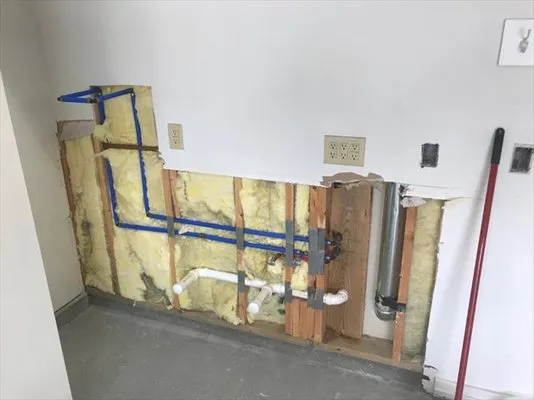
Steve Morin Plumbing Service
Steve Morin Plumbing Service is a veteran-owned plumbing business serving Indianapolis and Hamilton County since 1986. Founded by Steve Morin, a U.S. Army veteran who began his plumbing career after s...
Hope
Hope Plumbing began when founders Jack Hope and Brad Persic started doing plumbing work to pay for school. Their reliable service grew so popular that by the time they graduated, they had added more p...
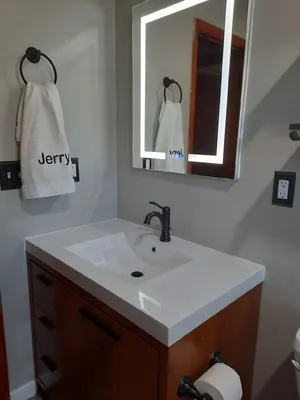
Dutton Plumbing, Inc. is a full-service plumbing company serving Whiteland, IN, and surrounding areas since 2021. With nearly 2000 jobs completed across the state, we provide reliable plumbing service...

Jay Harrell Plumbing is a trusted Indianapolis plumbing service dedicated to helping local homeowners maintain safe, efficient systems. Many Indianapolis homes face common issues like water heater sed...
Grateful Plumber
Adam, a highly experienced licensed plumber, founded Grateful Plumber to serve the greater Indianapolis area with a commitment to quality and reliability. We believe a successful plumbing business is ...
Rapid Response Plumbing
Rapid Response Plumbing provides Brownsburg homeowners and businesses with dependable plumbing solutions. We specialize in resolving common local issues like drain clogs and pipe joint leaks, using pr...

Chapman Heating, Air Conditioning & Plumbing
Chapman Heating, Air Conditioning & Plumbing is a locally owned and operated HVAC and plumbing company that has been serving Central Indiana for over 40 years. As the largest independent Bryant dealer...

L D Smith Plumbing
Founded in 2011 by owner Lance Smith, L.D. Smith Plumbing is a locally owned and operated business dedicated to serving Indianapolis and its surrounding communities. Starting from a humble garage, the...
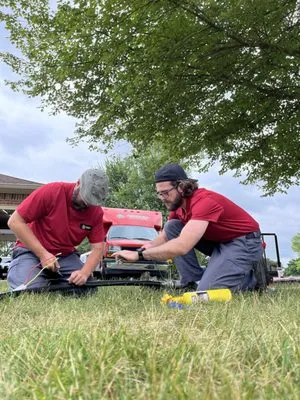
Cornwell Plumbing
Cornwell Plumbing has been the trusted plumbing service for Zionsville and surrounding communities since 1989. As a family-owned business, we provide comprehensive plumbing solutions for both resident...
Estimated Plumbing Costs in Orange, IN
Common Questions
What permits are needed for a water heater replacement in Orange?
Fayette County Building Department requires a permit for water heater replacements, which involves an inspection of the new installation and its safety devices. As a master plumber licensed by the Indiana Professional Licensing Agency, I pull that permit, schedule the inspection, and ensure the work meets all current code. My credential means I handle the required red tape so you do not have to navigate it yourself.
Does having a private well in Orange damage my plumbing?
The well water itself is not damaging, but its hardness is. Water from our local aquifers carries a high mineral content that deposits as scale inside pipes and appliances. Over years, this scale buildup insulates heating elements in water heaters, forcing them to work harder and fail sooner. It also restricts flow at fixtures and accelerates wear on valves and cartridges.
Is my septic system connected to my home's plumbing issues?
In our rural setting, every drain leads to your septic tank, making what goes down the drain critical. Harsh chemical drain cleaners can kill the necessary bacteria in the tank, leading to backups. Furthermore, a failing leach field can cause slow drains throughout the house, which homeowners often mistake for a simple clog. Your well and septic system are an integrated private utility.
How long will it take a plumber to get to my house in Orange?
Heading past Orange Cemetery onto State Road 56 is the main dispatch route for most calls in the township. From there, we navigate the local roads. A realistic window for a service call is 45 to 60 minutes. This accounts for the rural distance and ensures we arrive with the right truck and parts for a lasting repair.
Why do the homes in Orange, IN have so many plumbing problems now?
Homes here were largely built around 1973, which means the original copper plumbing is now 53 years old. At this age, the pipe walls thin from decades of internal water flow. What you are seeing across Orange Township is a wave of pinhole leaks, especially in hot water lines, as the copper reaches the end of its service life. This is not a coincidence; it is the predictable failure point for this generation of housing stock.
Could the hilly land around Orange Cemetery affect my home's main sewer line?
Yes, the slope of the terrain directly stresses underground plumbing. A main sewer line running downhill from your house can experience increased flow velocity and joint separation over time. Conversely, lines installed along a hillside may sag or belly due to soil movement. This hilly terrain often requires specific installation techniques to account for the natural grade and soil stability.
What is a pinhole leak and why does it keep happening?
A pinhole leak is a tiny, almost microscopic failure in copper pipe, common in systems installed in the early 1970s. It starts from the inside out, often where turbulent water or mineral scale has worn the pipe thin. The age of the copper, combined with our local water chemistry, accelerates this corrosion. By the time you see the small drip, the pipe wall around it is usually compromised and will need a section replaced.
What should I do to get my plumbing ready for spring in Fayette County?
The spring thaw after our 20-degree lows is a peak time for leaks. A specific pro-tip for this temperate climate is to check all exposed pipes in crawl spaces and basements for condensation or minor drips in late February. That slow drip you ignored over winter can become a steady flow as water pressure normalizes and ground shifts settle. Catching it early prevents a major emergency.
