Top Emergency Plumbers in Ohio, IN, 47601 | Compare & Call

There are 237 plumbing companies server in Ohio IN

The Local Plumber, LLC is a family-owned and operated plumbing service proudly serving Columbus and the surrounding communities since 2022. As a local, small business, we bring a personal touch to eve...

Buckeye Plumbing & Drains is your local, licensed plumbing and septic expert serving Orient and the surrounding central Ohio communities. We know plumbing problems are stressful, which is why our appr...
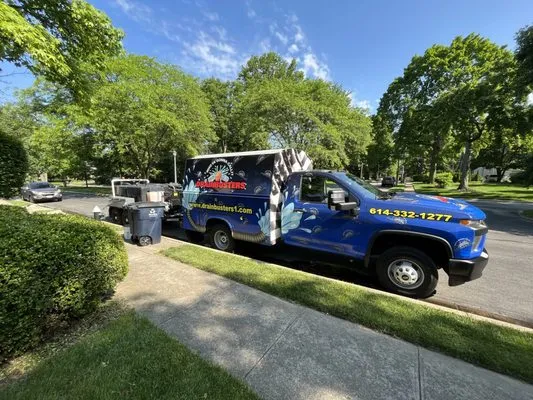
Drainbusters is a family-owned sewer and drain cleaning company proudly serving Westerville, Ohio, and the surrounding communities. Founded 17 years ago, the business is built on a legacy of expertise...
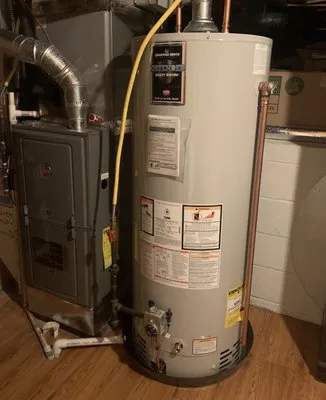
Eco Plumbers Electricians And HVAC Technicians
Eco Plumbers Electricians And HVAC Technicians is a Hilliard-based service provider founded by Aaron Gaynor, Ohio's first Licensed Green Plumber and 2013 Columbus Green Plumber of the Year. Since 2007...

XCEL Plumbing & Drains is a locally owned and operated plumbing service dedicated to serving the residents of Columbus, Ohio. We understand that plumbing problems can disrupt your home and your day. O...
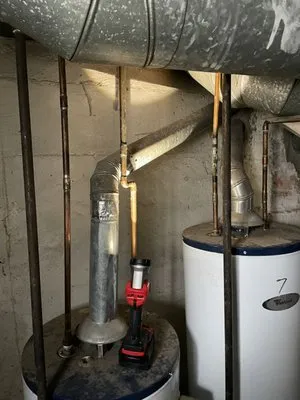
Mullins Maintenance & Mechanical Services
Mullins Maintenance & Mechanical Services is a family-rooted plumbing and HVAC company serving Columbus, OH, with a focus on integrity and customer care. Founded by a third-generation plumber who lear...
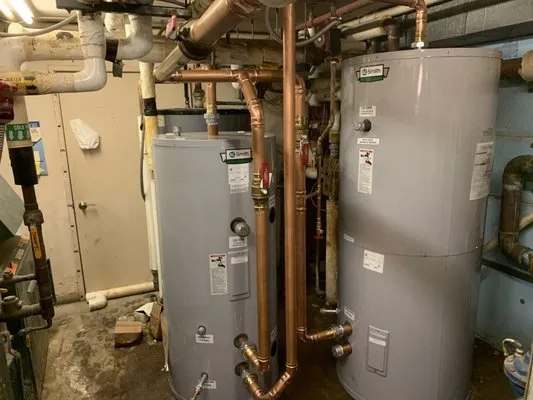
RCG Plumbing is a state-licensed plumbing service based in Springfield, OH, founded in 2021 by owner Robert. With over 13 years of industry experience, Robert brings specialized training from his time...

Founded in 2009 by fifth-generation Master Plumber and OSU alumnus Michael McDermott, McDermott Plumbing has built its reputation on a simple, powerful promise: quality work at a fair price. As a fami...
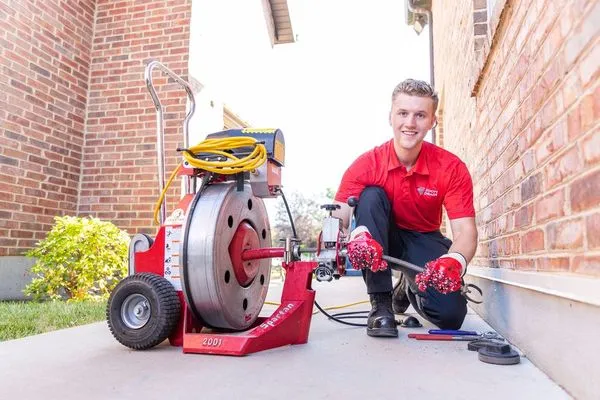
Zoom Drain in Powell, OH, is your local specialist for resolving stubborn drain and sewer issues. Our fully equipped service trucks arrive prepared for anything, featuring advanced video inspection te...

Flush Drains & JFM Excavations has been serving Columbus, OH, for over 20 years as a trusted plumbing and excavation contractor. We provide reliable, professional services at reasonable rates, special...
Estimated Plumbing Costs in Ohio, IN
Common Questions
What should I do before spring thaw to prevent plumbing issues in Ohio's temperate climate?
Before spring thaw when temperatures can swing from 22°F lows to daytime warmth, disconnect garden hoses and shut off exterior water valves. Insulate pipes in unheated crawl spaces where freezing risk remains during transitional periods. Check for foundation cracks where melting snow might seep in and stress plumbing lines. These proactive steps help avoid the surge of emergency calls we see each March.
As a rural homeowner near Ohio River, what unique plumbing considerations should I know?
Rural properties here typically rely on well systems and septic tanks rather than municipal services. Well pumps and pressure tanks require regular maintenance to handle hard water conditions. Septic systems need careful monitoring since the flat terrain limits drainage efficiency. You'll want to schedule annual checks of both systems to catch issues before they become emergencies that affect your entire water supply.
What permits or regulations apply to plumbing work in Spencer County?
Spencer County Building Department requires permits for most plumbing modifications, especially those involving water heaters or sewer line replacements. As a licensed master plumber through the Indiana Professional Licensing Agency, I handle all permit applications and inspections directly. This ensures work meets current codes while saving homeowners from navigating bureaucratic processes themselves. Proper documentation also protects your property value during future sales.
How quickly can a plumber reach my Ohio River area home in an emergency?
Heading past Ohio River on State Road 56, our dispatch route covers most Spencer County calls within 45-60 minutes. We monitor traffic patterns on State Road 56 to avoid delays during peak times. For urgent issues like burst pipes, we prioritize routing to minimize response time while maintaining safe driving practices.
Why do my 1970s copper pipes keep springing pinhole leaks?
Copper pipes from 1974 often develop pinhole leaks due to a combination of factors. The solder joints used then contained higher lead content, which degrades over time and allows microscopic corrosion to start. Hard water accelerates this by depositing scale that creates uneven pressure points. Once a pinhole forms, it typically worsens quickly because the surrounding copper has thinned from decades of use.
Does Ohio River water cause problems for my home's plumbing fixtures?
Ohio River water carries minerals that create hard water conditions throughout the area. This leads to scale buildup inside water heaters, reducing efficiency and shortening their lifespan. Fixtures like showerheads and faucet aerators clog with mineral deposits, decreasing water pressure over time. Installing a whole-house water softener can mitigate these effects and protect your plumbing investment.
My Main Street home was built in 1974—what should I expect from my copper pipes now?
Copper pipes installed in 1974 are now 52 years old. At this age, homeowners on Main Street often notice pinhole leaks appearing in hot water lines first, especially near joints where solder has degraded. The copper itself becomes thinner from decades of water flow, and you might see blue-green stains around fixtures indicating corrosion. This isn't sudden failure but a gradual wear-out phase common for mid-1970s plumbing.
How does the flat terrain near Ohio River affect my home's drainage system?
Plain terrain around Ohio River means minimal natural slope for drainage. This puts constant hydrostatic pressure on your main sewer line as water seeks the path of least resistance. Over time, this can cause joint separation in older pipes or allow soil infiltration during heavy rains. Proper grading around your foundation and regular drain line inspections become more critical in these flatland conditions.
