Top Emergency Plumbers in North Township, IN, 46312 | Compare & Call

There are 228 plumbing companies server in North Township IN
Mike The Plumber is a licensed Evanston plumbing service built on a foundation of integrity, fairness, and honest communication. We believe true professionalism comes from deep, accurate knowledge of ...
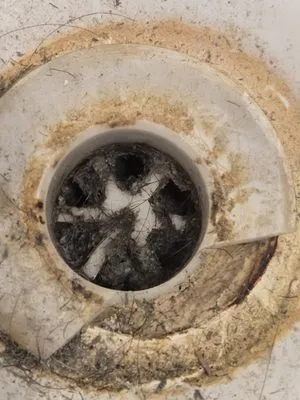
Since 1975, Drain-EEZ Plumbing has been a family-owned, trusted resource for Chicago homeowners and businesses. With over 40 years in the trade, our focus is on providing reliable residential repairs ...
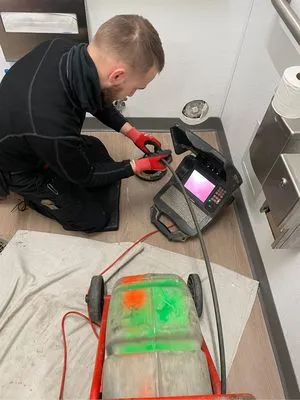
Rescue Plumbing
Rescue Plumbing has been a trusted, local plumbing service in Chicago since 2018. Founded by lifelong Chicagoland resident Benjamin Vance, our mission is rooted in integrity and building lasting relat...
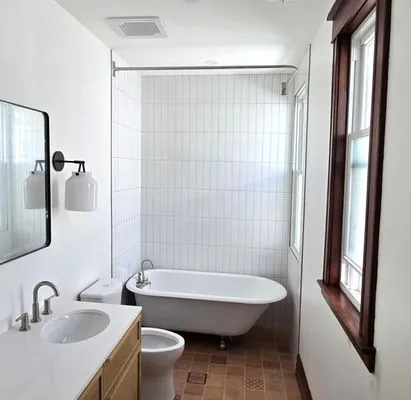
Sound Plumbing is a licensed plumbing service in Chicago, IL, with over 20 years of specialized experience. Founded by Kevin, who brings over 30 years of trade expertise, the company focuses on provid...
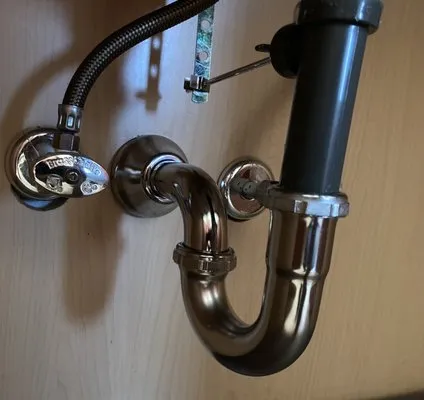
Scotty's Plumbing is a trusted local plumbing service in Chicago, IL, dedicated to helping homeowners tackle common plumbing emergencies and maintenance needs. We specialize in a comprehensive range o...
J Sewer & Drain Plumbing
Founded in 2017 by a seasoned plumber, J Sewer & Drain Plumbing is a family-owned Chicago company built on a simple promise: to provide a better service for clients and a better experience for employe...
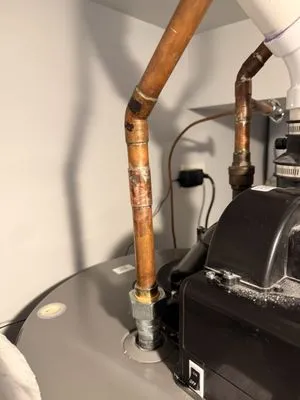
Mr. Rooter Plumbing - Morton Grove
Mr. Rooter Plumbing - Morton Grove is your local, trusted plumbing service in Morton Grove, IL. Founded in 1970 with a commitment to quality work and honest pricing, we bring decades of expertise to e...
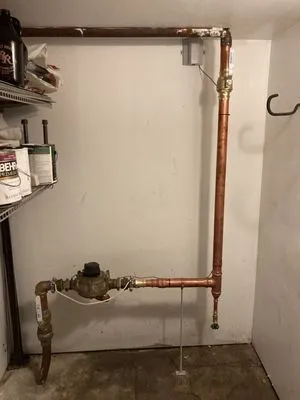
Vanguard Plumbing and Sewer
Vanguard Plumbing and Sewer is a fully licensed, bonded, and insured plumbing company serving Chicago and its northern suburbs. We provide comprehensive residential and multi-unit plumbing services, f...

Five Plumbing is a licensed and bonded plumbing service dedicated to providing reliable residential plumbing solutions for Chicago homeowners. Our focus is on customer satisfaction through quality wor...
Midwest Hydro Jetting And Sewer Service is a Chicago Ridge plumbing company built on a foundation of local craftsmanship and customer-first service. Owner-operated from the start, our team is selected...
Estimated Plumbing Costs in North Township, IN
FAQs
Does Lake Michigan water affect my home's plumbing system?
Lake Michigan supplies hard water with high mineral content that causes scale buildup. This scaling reduces water heater efficiency by insulating heating elements and restricts flow in fixtures over time. Water heaters in this area typically need earlier replacement due to sediment accumulation. Installing a water softener can significantly extend appliance lifespan.
What should I do before spring thaw to prevent plumbing problems?
Before temperatures rise above freezing, disconnect garden hoses and shut off exterior water valves. Insulate exposed pipes in unheated areas like crawl spaces and garages. Check for foundation cracks where melting snow could seep in and cause moisture issues. These steps help prevent burst pipes when the spring thaw hits its peak.
How quickly can a plumber reach my North Township home in an emergency?
Heading past Wicker Memorial Park on I-80 provides direct access to most North Township neighborhoods. From that starting point, we typically reach Highland addresses within 30-45 minutes during normal traffic conditions. This dispatch route avoids local congestion while maintaining response reliability for urgent calls.
Could the flat land around Wicker Memorial Park cause drainage issues?
Low-lying terrain in this area allows water to pool rather than drain properly. This puts constant hydrostatic pressure on main sewer lines and can lead to soil saturation around foundations. Over time, the ground movement stresses pipe joints and connections. Proper grading away from the house and functional drainage systems are essential here.
As an urban homeowner, what unique plumbing challenges should I expect?
Municipal water pressure fluctuations can stress older pipe systems not designed for modern demands. Tree roots frequently invade lateral sewer lines seeking moisture in developed areas. Shared walls in close-built neighborhoods mean one home's leak can quickly affect adjacent properties. Regular inspections help identify these urban-specific issues early.
Who handles permits and inspections for plumbing work in North Township?
The North Township Building Department requires permits for most plumbing modifications. As a licensed master plumber through the Indiana Professional Licensing Agency, I submit all necessary paperwork and coordinate inspections. Homeowners don't need to navigate bureaucratic requirements themselves. Proper documentation ensures work meets current codes and protects your investment.
My Highland home was built around 1959 - should I be worried about the plumbing?
Galvanized steel pipes installed in 1959 are now 67 years old. At this age, homeowners in Highland often notice reduced water pressure from internal rust buildup and discolored water when rust flakes break loose. The steel has likely thinned significantly, making it prone to sudden failures. Many houses in this area are reaching the end of their plumbing system's expected lifespan.
Why do my old pipes keep springing small leaks?
Galvanized steel pipes from 1959 commonly develop pinhole leaks as the zinc coating wears away and the underlying steel corrodes. Joint calcification also occurs where mineral deposits build up and create stress points. These failures often start in hidden areas like crawl spaces before becoming visible. The corrosion process accelerates once the protective coating is compromised.
