Top Emergency Plumbers in New Whiteland, IN, 46184 | Compare & Call

There are 150 plumbing companies server in New Whiteland IN

Winters Plumbing is a family-owned and operated plumbing service based in Greenwood, Indiana, with over 20 years of experience serving both residential and commercial clients. As a licensed contractor...
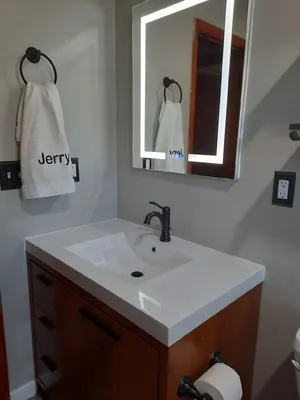
Dutton Plumbing, Inc. is a full-service plumbing company serving Whiteland, IN, and surrounding areas since 2021. With nearly 2000 jobs completed across the state, we provide reliable plumbing service...
Grateful Plumber
Adam, a highly experienced licensed plumber, founded Grateful Plumber to serve the greater Indianapolis area with a commitment to quality and reliability. We believe a successful plumbing business is ...

Carter's My Plumber
Carter's My Plumber is a third-generation, family-owned plumbing business proudly serving Greenwood, IN, and the wider Indianapolis area since 1976. Founded on a legacy of craftsmanship, the company w...
Peterman Brothers
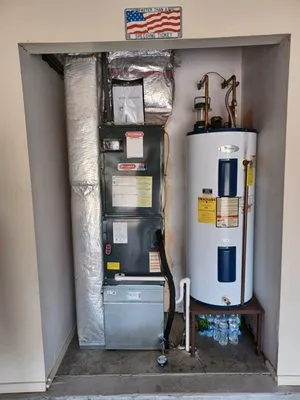
Peterman Brothers began in 1986 when Pete, an HVAC contractor in Beech Grove, noticed his community deserved better service and founded Peterman Heating & Cooling to provide genuine, personalized care...
Ciriello Plumbing
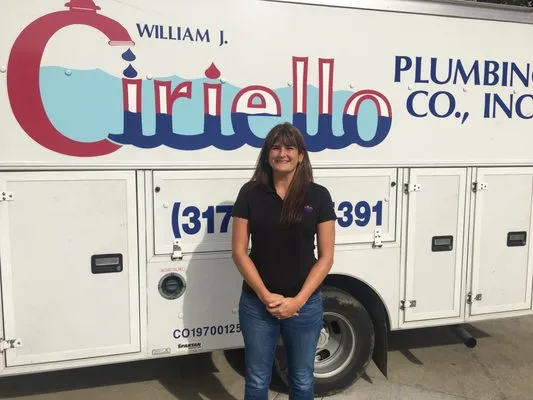
Ciriello Plumbing has been serving the Greater Indianapolis area since 1952, when Bill Ciriello, Sr. started the family-owned business with a $200 loan and a commitment to quality workmanship and cust...
Weilhammer Plumbing
Weilhammer Plumbing Company Inc. has been a family-owned business serving Indianapolis since 1901. Founded on principles of integrity and superior customer service, we've built a respected reputation ...
Gregor Plumbing Service is a trusted, full-service plumbing company serving homeowners across Indianapolis. We specialize in resolving the common local plumbing challenges Hoosiers face, such as persi...

Renewal Services in Indianapolis is more than a cleaning company; it's a community partner dedicated to transformation. We specialize in comprehensive commercial and residential cleaning, from deep cl...
As a lifelong Indianapolis resident, I'm Patrick Williams, owner of Pat's Sewer and Drain. Growing up in Lawrence and graduating from Lawrence Central, my commitment to this community runs deep. With ...
Estimated Plumbing Costs in New Whiteland, IN
FAQs
If I have a plumbing emergency, how quickly can a plumber get to my house in New Whiteland?
A standard dispatch from our shop heads past Tracy Park to catch I-65. That route gets us into most New Whiteland neighborhoods, including the Estates, within 20 to 30 minutes of the call. Traffic on I-65 is the main variable, but we plan for it. You can expect a truck on your street without significant delay for urgent issues like a burst pipe.
When is the best time to get my plumbing checked before winter in Indiana?
Schedule a check in late fall, before temperatures consistently hit 20°F. This gives you time to address any vulnerable exterior faucets, insulation on pipes in unheated spaces, and your water heater's condition. The real test comes during the spring thaw, when frozen ground shifts and can stress main service lines. A pre-winter inspection catches the small issues that become big emergencies during a freeze.
Could the flat land around Tracy Park cause any drainage problems for my home?
The plain terrain means there's little natural slope for water to run off. During heavy rains, water can pool near your foundation instead of draining away. This saturated soil puts constant, uneven pressure on your underground main sewer line, which can lead to joint separation or a belly forming in the pipe. Ensuring your gutters discharge well away from the house is a critical first step to mitigate this.
As a suburban homeowner, what should I know about my connection to the town's water system?
You're connected to a municipal system, which generally provides consistent pressure. However, the responsibility for the water line from the street shutoff into your house, and the sewer lateral from your house to the main, is yours. Tree roots from yards in these suburban lots are a common culprit for invading sewer laterals and causing blockages. Knowing where your main cleanout is located is important for access.
My house in New Whiteland Estates was built in the 70s. Should I be worried about my plumbing?
With copper pipes installed around 1976, your home's plumbing is now 50 years old. At this age, the copper has experienced decades of water flow and mineral interaction. Homeowners in the Estates are commonly seeing pinhole leaks, especially at solder joints that have become brittle. This is a predictable failure point for mid-70s construction, and proactive inspection is more cost-effective than waiting for a failure.
What's the most common plumbing repair for a 1970s New Whiteland home?
Pinhole leaks in copper lines are the most frequent repair. After five decades, the interior walls of the pipe thin from erosion and scale buildup, creating weak spots. You'll often find these leaks first at fittings or in horizontal runs in the basement. It's a systemic issue for this vintage of home, not a random event, and repairing one often means others are developing.
Do I need a permit to replace my water heater in New Whiteland, and how does that work?
Yes, the New Whiteland Planning and Zoning Department requires a permit for water heater replacement to ensure code compliance. As a master plumber licensed by the Indiana Professional Licensing Agency, I pull that permit on your behalf as part of the job. I handle the red tape, schedule the required inspection, and ensure the installation meets all current safety and building codes so you don't have to navigate the process yourself.
Does our hard water from the White River area damage plumbing fixtures?
Yes, the mineral content from the White River watershed causes significant scale buildup. Inside your water heater, this scale acts as an insulator, forcing the unit to work harder and shortening its lifespan. On faucet cartridges and shower valves, the grit from scale leads to premature wear and drips. Installing a whole-house water softener is the most effective defense for protecting your appliances and fixtures.
