Top Emergency Plumbers in Milford, IN, 46747 | Compare & Call

There are 42 plumbing companies server in Milford IN
Home Comfort Experts
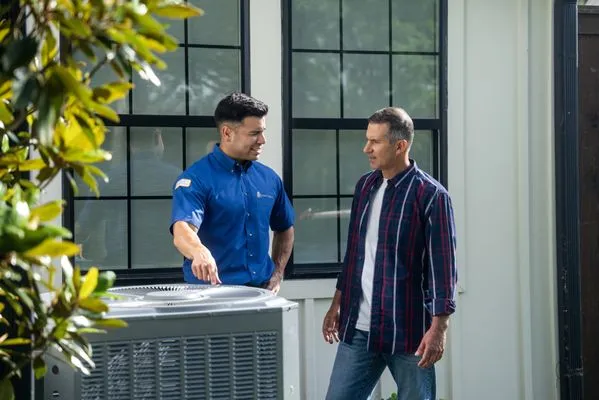
Home Comfort Experts is a Fort Wayne-based company dedicated to ensuring the comfort and reliability of your home's essential systems. We specialize in comprehensive residential plumbing, heating, air...

PG Heating Cooling & Plumbing
PG Heating, Cooling, & Plumbing is a trusted, locally owned business serving Fort Wayne and northeastern Indiana. As a team of licensed professionals, we are dedicated to providing reliable service, m...
Flow-Tech Plumbing & Heating
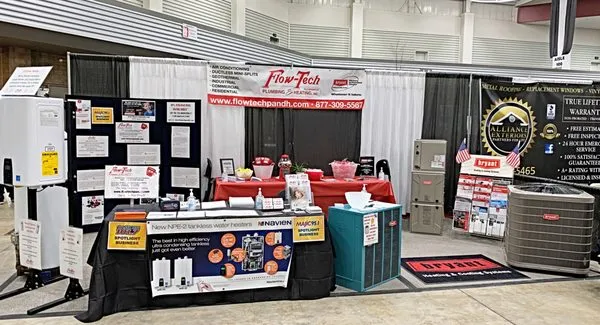
Flow-Tech Plumbing & Heating is a family-rooted, locally owned business serving Columbia City and Northeastern Indiana since 1991. Founded by Dave, the company is now co-owned by second-generation fam...
Plumbers Plus
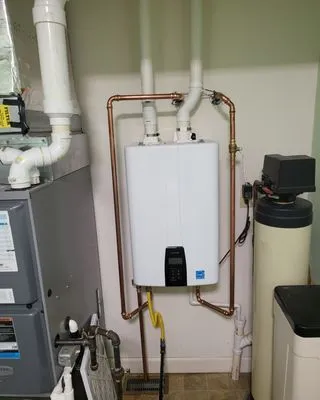
Plumbers Plus LLC in Fort Wayne, IN, is a trusted local plumbing service dedicated to providing reliable solutions for homes and businesses. With a focus on quality workmanship and clear communication...
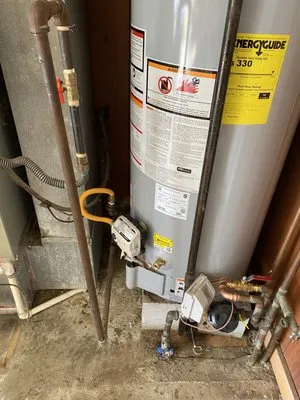
Schneider's Plumbing Service is a trusted, locally-owned plumbing company serving Fort Wayne, IN. Founded by a licensed journeyman plumber who recently moved to the area to be closer to family, the bu...
Home Comfort Experts
Home Comfort Experts is a trusted local provider serving Mishawaka residents with comprehensive plumbing, HVAC, and indoor air quality solutions. Our team of skilled technicians specializes in residen...

Fire And Ice Heating Cooling
Fire and Ice Heating Cooling is a Huntertown-based HVAC company deeply rooted in the community since 2008. Founded and operated by Michael Coe, this family-owned business brings over four decades of c...
Kozon Plumbing & Heating
Kozon Plumbing & Heating has built its reputation in Cromwell and across northern Indiana on reliable service and professional expertise. We know that as a homeowner, your peace of mind depends on hav...

Premier Contracting Services is a trusted, full-service contractor based in Mishawaka, serving the residential and commercial needs of our local community. With over a decade of experience, we special...

Frazier's Do-it All is a Foraker-based home services company founded in 2015 by an owner with 15 years of industry experience. We specialize in both plumbing and landscaping, offering everything from ...
Estimated Plumbing Costs in Milford, IN
Questions and Answers
What's the most important seasonal plumbing tip for Milford winters?
Disconnect and drain your garden hoses before the first hard freeze. A forgotten hose traps water in the bib, which freezes and splits the pipe inside your wall. With lows around 17°F, that interior burst causes major damage. Also, know the location of your main water shut-off valve. During the spring thaw, the ground shifts can stress old pipes and fittings, making a quick shut-off capability critical.
Why do my old pipes keep springing pinhole leaks?
Galvanized steel pipe from the mid-50s fails in a specific way. The protective zinc coating erodes over decades, leaving the bare steel to rust from the inside out. This creates weak, paper-thin spots that become pinhole leaks. At this age, joint calcification is also common—the threaded fittings become completely sealed with rust and mineral scale, making spot repairs impossible. The entire pipe run usually needs replacement.
Do I need a permit to replace my water heater or repipe my house?
Most substantial plumbing work in Kosciusko County requires a permit from the Building Department. As a master plumber licensed through the Indiana Professional Licensing Agency, I pull those permits, schedule the required inspections, and ensure the work meets all current code. Handling that red tape is part of the job—it protects your investment and ensures the system is safe and insurable. You shouldn't have to navigate it yourself.
My Milford home is from the 1950s. Should I be worried about my plumbing?
You should be planning, not panicking. Homes built around 1955 likely have original galvanized steel pipes now over 70 years old. In Milford Town Center, we're seeing the predictable end-of-life phase: widespread pinhole leaks and complete interior corrosion that chokes off water pressure. The pipe walls are simply wearing out, so a single leak often signals more are imminent. Proactive replacement is a sound investment to avoid repetitive emergency repairs.
How long will it take for a plumber to get to my house in Milford?
My typical dispatch route has me heading past Waubee Lake on US-6, which puts me in most parts of town within 45 to 60 minutes for an urgent call. Traffic is rarely a major factor, but the distance across our rural county means response isn't instant. For a scheduled job, I plan the route to minimize your wait. It helps if you can describe the issue and your nearest cross street when you call.
Does our hard well water damage plumbing fixtures?
Yes, consistently. Water from private wells around Waubee Lake is heavy with minerals that precipitate out as scale. This limescale buildup is most destructive inside water heaters, reducing efficiency and lifespan, and it aggressively coats faucet cartridges and shower valves, causing them to stick or fail. Installing a whole-house water softener is the standard defense to protect your water heater, fixtures, and new piping.
Could the flat land here cause drainage problems for my home?
The plain terrain around Milford lacks the natural slope for ideal drainage. Saturated soil from heavy rain or snowmelt, especially near Waubee Lake's watershed, has nowhere to go but down. This constant hydrostatic pressure can stress and infiltrate basement floor drains or septic fields. It also means a sagging main sewer line won't drain by gravity as designed, leading to recurrent backups that require jetting or repair.
Is plumbing different for a rural home with a well and septic system?
It requires a different scope of knowledge. Your well pump, pressure tank, and treatment equipment are integral to the home's plumbing, not a municipal utility. A septic system adds a critical drainage component that demands proper venting and careful water use to avoid overloading the drain field. Maintenance like checking the pressure tank's air charge or having the septic tank pumped every few years is part of responsible homeownership here.
