Top Emergency Plumbers in Lexington, IN, 47138 | Compare & Call

There are 13 plumbing companies server in Lexington IN
Ohio Valley Plumbing Company is a locally owned and operated plumbing service based in Madison, Indiana, serving Jefferson County and surrounding areas. Founded by owner Kamden Mahoney, who holds a Ma...
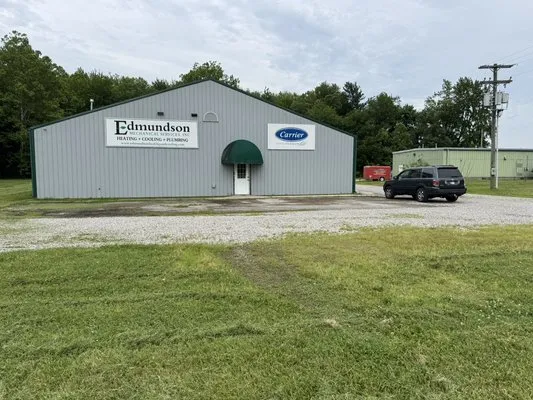
Edmundson Mechanical Services
Edmundson Mechanical Services has been a trusted provider of HVAC and plumbing solutions in Crothersville and south central Indiana for over 35 years. Founded by an owner with a mechanical engineering...
Your Second Opinion Plumbing is a locally owned and operated service serving New Albany, Indiana, and the surrounding communities. With a combined team experience of over 40 years, they provide honest...
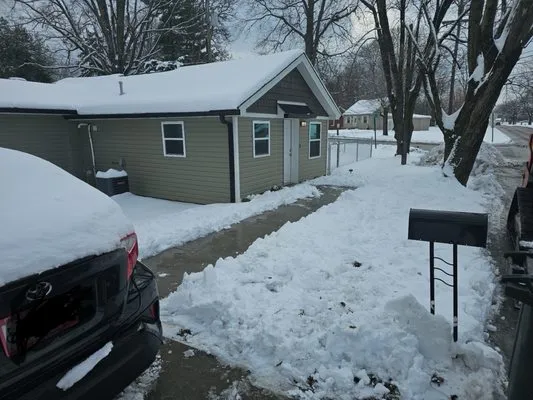
Edwards Plumbing & Excavation has been serving New Pekin and surrounding communities for over 18 years, providing reliable plumbing and excavation solutions for both residential and commercial clients...
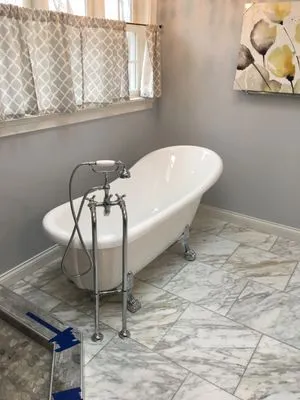
Heartland Mechanical is your trusted, full-service plumbing company in Palmyra, IN. We understand the common plumbing headaches facing local homeowners, from persistent bathroom drain buildup to stubb...
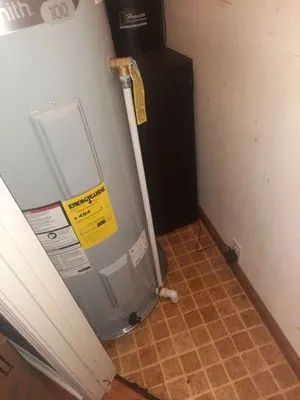
Ison Plumbing Services is your trusted local plumbing expert serving Greenwood, Indiana, and the surrounding areas. We provide a comprehensive range of residential and commercial plumbing solutions, f...

Brandenburg Plumbing is a trusted local plumbing service based in Scipio, Indiana, dedicated to keeping homes running smoothly. We understand the common challenges faced by our neighbors, such as hard...
Clarks Plumbing & Excavation is a trusted, locally-owned and operated service provider in North Vernon, IN. We offer comprehensive plumbing and excavation solutions, from emergency repairs to full sys...
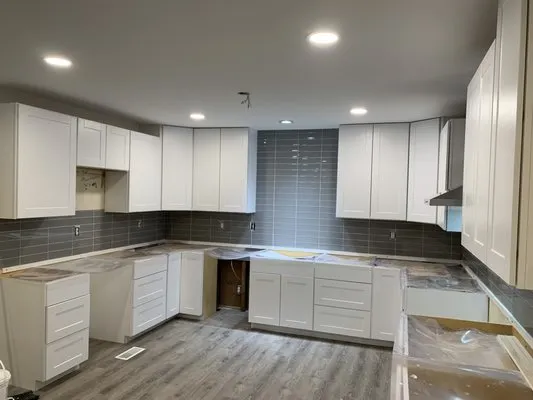
KPS Handyman Company in Charlestown, IN is a locally-owned business with over 20 years of experience in home repairs, remodeling, and handyman services. Founded by an engineer with 25 years of mechani...

Pro Tek Services is Lexington, IN's trusted local plumbing expert, dedicated to keeping homes and businesses running smoothly. We specialize in thorough plumbing inspections to identify and prevent co...
Estimated Plumbing Costs in Lexington, IN
Q&A
My Lexington Central home was built around 1976—what should I expect from my plumbing now?
Copper pipes installed in 1976 are now 50 years old. Homeowners in Lexington Central often notice increased frequency of pinhole leaks and joint calcification at this age. The copper has endured decades of water flow and mineral exposure, making it more susceptible to failure. Regular inspections can catch small issues before they become major water damage problems.
Why do my copper pipes keep springing leaks in my older Lexington home?
Copper pipes from the 1970s often develop pinhole leaks due to internal corrosion and scale buildup over five decades. Joint calcification is another common failure where mineral deposits weaken solder connections. These issues typically manifest first at elbows and tees where water turbulence accelerates wear.
What permits or regulations should I know about for plumbing work in Scott County?
The Scott County Building Department requires permits for most plumbing installations and replacements. As a master plumber licensed through the Indiana Professional Licensing Agency, I handle the red tape so you don't have to. This includes submitting plans, scheduling inspections, and ensuring all work meets current Indiana plumbing code requirements.
How quickly can a plumber reach my Lexington home in an emergency?
Heading past Scott County Heritage Center on US-31, a typical dispatch route covers most of Lexington within 45-60 minutes. This accounts for rural road conditions and property access. Knowing this route helps us estimate arrival times accurately when you call with urgent issues like burst pipes or sewer backups.
What should Lexington homeowners do to prevent plumbing problems during spring thaw?
With lows around 22°F and spring thaw creating peak pressure on pipes, insulate exposed plumbing before winter ends. Drain outdoor spigots and check crawl spaces for proper ventilation. A pro-tip: keep cabinet doors open during cold snaps to let warm air circulate around pipes under sinks.
How does hard well water affect my home's plumbing systems in Lexington?
Private wells in Lexington deliver hard water that causes scale buildup inside pipes, water heaters, and fixtures. This mineral accumulation reduces water flow, decreases appliance efficiency, and shortens their lifespan. Water heaters are particularly vulnerable—scale insulates heating elements, forcing them to work harder and fail sooner.
Does Lexington's hilly terrain cause specific drainage or sewer issues?
The slopes around Scott County Heritage Center and throughout Lexington create drainage challenges that stress main sewer lines. Gravity pulls wastewater downhill, but soil shifting on inclines can misalign pipes or create low spots where debris collects. Proper grading around your foundation prevents water from pooling and entering basements or crawl spaces.
How does living in rural Lexington affect my septic and well maintenance?
Rural properties here rely on private septic systems and wells, meaning homeowners bear full responsibility for maintenance. Septic tanks need pumping every 3-5 years depending on household size, while well components require regular inspection. Unlike municipal systems, there's no utility department to call when these systems fail—planning ahead prevents emergencies.
