Top Emergency Plumbers in Lawrence, IN, 46216 | Compare & Call

There are 231 plumbing companies server in Lawrence IN

Winters Plumbing is a family-owned and operated plumbing service based in Greenwood, Indiana, with over 20 years of experience serving both residential and commercial clients. As a licensed contractor...
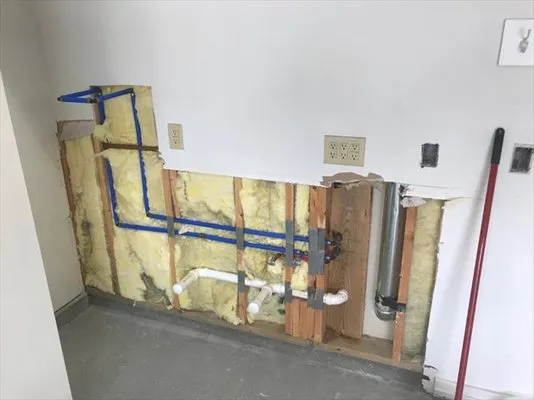
Steve Morin Plumbing Service
Steve Morin Plumbing Service is a veteran-owned plumbing business serving Indianapolis and Hamilton County since 1986. Founded by Steve Morin, a U.S. Army veteran who began his plumbing career after s...
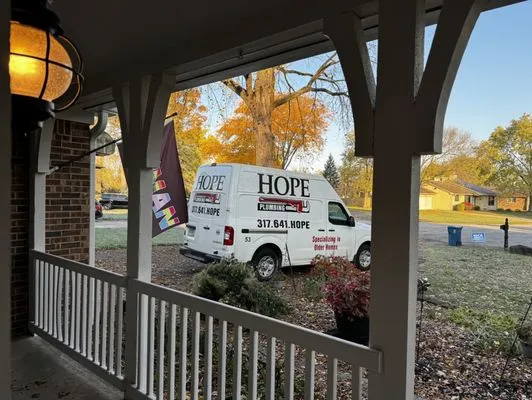
Hope
Hope Plumbing began when founders Jack Hope and Brad Persic started doing plumbing work to pay for school. Their reliable service grew so popular that by the time they graduated, they had added more p...
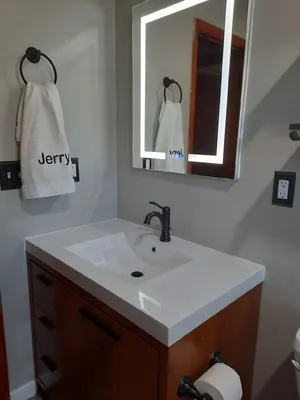
Dutton Plumbing, Inc. is a full-service plumbing company serving Whiteland, IN, and surrounding areas since 2021. With nearly 2000 jobs completed across the state, we provide reliable plumbing service...
Grateful Plumber
Adam, a highly experienced licensed plumber, founded Grateful Plumber to serve the greater Indianapolis area with a commitment to quality and reliability. We believe a successful plumbing business is ...
Rapid Response Plumbing
Rapid Response Plumbing provides Brownsburg homeowners and businesses with dependable plumbing solutions. We specialize in resolving common local issues like drain clogs and pipe joint leaks, using pr...
Chapman Heating, Air Conditioning & Plumbing
Chapman Heating, Air Conditioning & Plumbing is a locally owned and operated HVAC and plumbing company that has been serving Central Indiana for over 40 years. As the largest independent Bryant dealer...

L D Smith Plumbing
Founded in 2011 by owner Lance Smith, L.D. Smith Plumbing is a locally owned and operated business dedicated to serving Indianapolis and its surrounding communities. Starting from a humble garage, the...
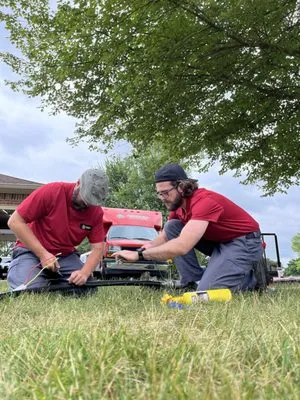
Cornwell Plumbing
Cornwell Plumbing has been the trusted plumbing service for Zionsville and surrounding communities since 1989. As a family-owned business, we provide comprehensive plumbing solutions for both resident...
Carter's My Plumber
Carter's My Plumber is a third-generation, family-owned plumbing business proudly serving Greenwood, IN, and the wider Indianapolis area since 1976. Founded on a legacy of craftsmanship, the company w...
Estimated Plumbing Costs in Lawrence, IN
Questions and Answers
My backyard near Fort Harrison State Park drains poorly. Could this hurt my pipes?
Flat, plain terrain can lead to standing water around your foundation. That saturated soil puts constant hydrostatic pressure on your home's underground main sewer line. Over time, this external pressure can stress pipe joints and cause slow leaks or root intrusion. Ensuring positive drainage away from your house isn't just for your basement; it protects the sewer lateral you're responsible for maintaining.
Do I need a permit to replace my water heater or repipe my house?
Yes, the City of Lawrence Department of Code Enforcement requires permits for that work to ensure it meets current safety and building codes. As a master plumber licensed by the Indiana Professional Licensing Agency, I pull those permits, schedule the inspections, and handle all the paperwork. My credential means the work is documented and guaranteed to be up to standard, which protects your home's value.
I have a small, persistent leak in my copper pipe. What's causing it?
That's likely a pinhole leak, a common failure point for 40-year-old copper. Over decades, the water's mineral content and flow can erode the pipe's interior at specific spots, eventually wearing a microscopic hole. It often starts where there's a slight imperfection in the pipe or at a joint. The hard water in Lawrence accelerates this process through scale buildup, which can create corrosive pockets against the copper.
Why are my neighbors in Fort Harrison suddenly having so many plumbing problems?
Homes built around 1984, which includes many in this area, are now entering their 42nd year. Copper piping from that era has reached a critical age where its protective interior lining can wear thin. This leads to a predictable wave of pinhole leaks, especially at soldered joints and elbows where water turbulence is highest. It's not a coincidence; it's the expected lifespan for that generation of plumbing materials.
As a suburban homeowner, what's my biggest plumbing vulnerability?
In a municipal system like Lawrence's, the main concern is the lateral line connecting your house to the city sewer. Tree roots seek out the moisture in older pipe joints, and they can cause complete blockages. Another issue is inconsistent water pressure from the city main, which can hammer old plumbing fixtures and valves. Knowing the age and material of your service line helps anticipate these problems.
Does our hard water from the White River affect my water heater?
Absolutely. The mineral content in our water leads to significant scale accumulation inside the tank and on heating elements. This insulating layer forces the heater to work harder, increasing energy costs and shortening its lifespan. You'll also see reduced hot water flow at fixtures as the scale builds up in the pipes. Installing a whole-house water softener is the most effective long-term defense for your appliances and plumbing.
How fast can a plumber get to my house in Fort Harrison?
From our shop, a dispatch heads past Fort Harrison State Park and catches I-465. That route typically puts us at your door in 20 to 30 minutes, traffic depending. We keep trucks stocked for common repairs so we can address most emergencies on that first visit without a return trip for parts.
What's one thing I should do every spring to avoid a plumbing disaster?
Before the spring thaw hits its peak, make a visual inspection of all exposed pipes in your basement, crawlspace, and garage. Look for any moisture, corrosion, or slight bulging that wasn't there last fall. Thaw cycles can shift foundations and stress old pipe joints, turning a small weakness into a major leak. Catching a weeping joint early is far simpler than repairing a burst pipe after it's done damage.
