Top Emergency Plumbers in Lancaster, IN, 46714 | Compare & Call

There are 237 plumbing companies server in Lancaster IN

Winters Plumbing is a family-owned and operated plumbing service based in Greenwood, Indiana, with over 20 years of experience serving both residential and commercial clients. As a licensed contractor...
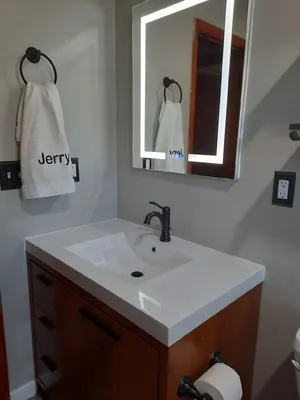
Dutton Plumbing, Inc. is a full-service plumbing company serving Whiteland, IN, and surrounding areas since 2021. With nearly 2000 jobs completed across the state, we provide reliable plumbing service...
Grateful Plumber
Adam, a highly experienced licensed plumber, founded Grateful Plumber to serve the greater Indianapolis area with a commitment to quality and reliability. We believe a successful plumbing business is ...
Rapid Response Plumbing
Rapid Response Plumbing provides Brownsburg homeowners and businesses with dependable plumbing solutions. We specialize in resolving common local issues like drain clogs and pipe joint leaks, using pr...

Chapman Heating, Air Conditioning & Plumbing
Chapman Heating, Air Conditioning & Plumbing is a locally owned and operated HVAC and plumbing company that has been serving Central Indiana for over 40 years. As the largest independent Bryant dealer...
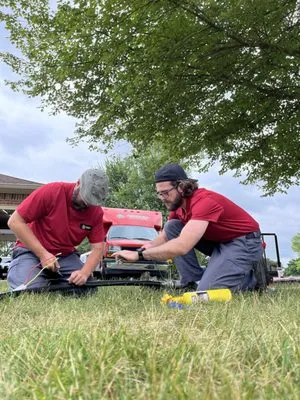
Cornwell Plumbing
Cornwell Plumbing has been the trusted plumbing service for Zionsville and surrounding communities since 1989. As a family-owned business, we provide comprehensive plumbing solutions for both resident...

Carter's My Plumber
Carter's My Plumber is a third-generation, family-owned plumbing business proudly serving Greenwood, IN, and the wider Indianapolis area since 1976. Founded on a legacy of craftsmanship, the company w...
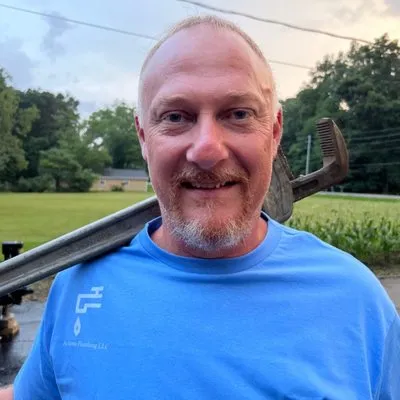
At Home Plumbing is your trusted local plumbing service in Greencastle, IN. We specialize in solving the common plumbing headaches that Greencastle homeowners face, from stubborn kitchen grease clogs ...
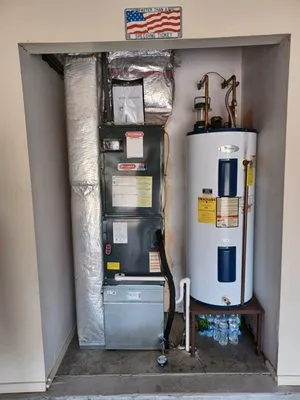
Peterman Brothers
Peterman Brothers began in 1986 when Pete, an HVAC contractor in Beech Grove, noticed his community deserved better service and founded Peterman Heating & Cooling to provide genuine, personalized care...

Summers Plumbing Heating & Cooling
For over 40 years, Summers Plumbing Heating & Cooling has been the trusted name for reliable plumbing, heating, and cooling services across Indiana and Ohio. With 16 locations, including dedicated ser...
Estimated Plumbing Costs in Lancaster, IN
Common Questions
Who handles permits for a water heater replacement in Jefferson County?
The Jefferson County Building Department issues the required permits for plumbing work. As a master plumber licensed by the Indiana Professional Licensing Agency, I pull those permits, schedule inspections, and ensure the installation meets all current code. My credentials mean I handle that red tape directly; you won't need to navigate the county offices yourself for a standard job.
Why are my old copper pipes suddenly springing pinhole leaks?
Copper from 1974 is prone to pinhole leaks due to a process called Type 2 pitting corrosion. Over 50 years, microscopic imperfections in the pipe wall interact with our well water chemistry, creating tiny, focused pits that eventually penetrate. It's not a matter of water pressure; it's the age and material finally succumbing to a very specific, slow corrosion mechanism.
How long should copper pipes last in a Lancaster home from the 1970s?
Copper pipes installed around 1974 are now 52 years old. In Lancaster Center, many homeowners are seeing the first signs of wear. Pipes of this age often develop pinhole leaks from decades of water flow and mineral interaction. It's a predictable phase for homes built during that period, and a proactive inspection can identify weak spots before a major failure occurs.
Does hard well water damage my water heater and fixtures?
Yes, the mineral content in private well water causes significant scale buildup. Inside a water heater, this layer acts as an insulator, forcing the unit to work harder and fail prematurely. On fixtures and showerheads, it restricts flow and degrades seals. Installing a proper whole-house water softener is the most effective defense for protecting your plumbing investment.
Could the flat land around here cause drainage or sewer problems?
The relatively plain terrain near the Jefferson County Courthouse area lacks the natural slope for ideal drainage. This can put static stress on a home's main sewer line over time, encouraging sagging or belly formation where waste collects. For homes on private septic, it also means drain fields must be meticulously graded during installation to function properly, as the soil won't provide much gravitational assist.
How fast can a plumber get to my house in rural Lancaster, IN?
From Jefferson County, my typical dispatch route heads past the Jefferson County Courthouse onto State Road 56. For homes along that corridor, it's usually a 45 to 60 minute drive. I factor in local farm equipment and weather to give a realistic arrival window, so you know when to expect me.
What's different about plumbing for a house with a private well and septic system?
The entire water and waste system is self-contained. A failing pressure tank or well pump means no water at all, not just low pressure. On the septic side, what goes down any drain directly impacts the tank and drain field; there's no municipal sewer to dilute mistakes. Maintenance focuses on the well equipment, septic tank pumping every 3-5 years, and being mindful of what enters the system.
What's the most important spring plumbing task for Lancaster's climate?
Before the spring thaw hits its peak, disconnect and drain any garden hoses. A hose left connected traps water in the outdoor faucet's pipe stem. When overnight temps still dip near 20°F, that trapped water can freeze, split the pipe inside your wall, and cause a leak you won't notice until you use the faucet. It's a simple, two-minute job that prevents a very common seasonal repair.
