Top Emergency Plumbers in Keyser, IN, 46706 | Compare & Call

There are 94 plumbing companies server in Keyser IN
Legacy Plumbing Heating & Air
Legacy Plumbing Heating & Air is a family-owned and operated Fort Wayne business serving the community since 2000. Founded by Vicky Griffin alongside three generations of her family, the company began...
Since becoming a licensed plumber in 1997, Chet Voglewede has built a trusted reputation in Fort Wayne by providing comprehensive plumbing services directly to homeowners. As the owner and operator, y...
Galaxy Plumbing is your trusted Master Plumbing Contractor in Avilla, IN, with a solid decade of experience serving Noble County homes and businesses. We are fully licensed, insured, and bonded, provi...

Sheets Air Conditioning Heating & Plumbing
Sheets Air Conditioning Heating & Plumbing is a trusted full-service provider serving Fort Wayne, IN, and surrounding areas. We specialize in both residential and commercial HVAC and plumbing solution...
For over 25 years, Taylor Plumbing and Sewer Service has been a trusted, family-owned plumbing business serving Fort Wayne and the surrounding communities. We specialize in diagnosing and solving drai...
Gordon & Sloffer
Since 1954, Gordon & Sloffer, Inc. has been the trusted local name for well water and plumbing in Churubusco, Indiana. As a licensed and insured family business serving three generations, we specializ...
Home Comfort Experts
Home Comfort Experts is a Fort Wayne-based company dedicated to ensuring the comfort and reliability of your home's essential systems. We specialize in comprehensive residential plumbing, heating, air...
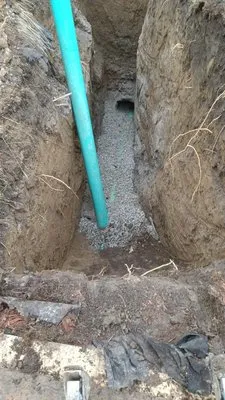
Shoda Sewer Service has been the trusted Fort Wayne and Allen County name for dependable sewer and drain solutions since 1963. Founded on a tradition of local ownership and operation, we specialize in...
Merz Plumbing Heating & Air Conditioning
For over 65 years, Merz Plumbing Heating & Air Conditioning has been the trusted, family-owned choice for home comfort and reliability in Leo and the surrounding Fort Wayne area. Since 1957, we've bui...
A-1 Sanitary Sewer & Drain Service
A-1 Sanitary Sewer & Drain Service has been a trusted local plumbing resource in Fort Wayne for over three decades. Our team of licensed technicians specializes in sewer and drain repairs, installatio...
Estimated Plumbing Costs in Keyser, IN
Frequently Asked Questions
How fast can a plumber get to my house in Keyser?
From the DeKalb County Courthouse, the dispatch route is straightforward. Heading north on US-6, it’s a direct shot into the Keyser Residential District. Barring weather or heavy farm traffic, that 45-60 minute window is standard. We factor that time into our scheduling to ensure we’re there when promised.
Can the flat land around Keyser cause plumbing problems?
The plain terrain affects drainage. With minimal natural slope, water from heavy rains or spring thaw can pool around foundations. This saturated soil puts constant hydrostatic pressure on your home's main sewer line, increasing the risk of joint separation or line intrusion over time. Proper grading away from the house is critical.
Does hard water from a private well damage my plumbing?
Hard water from a private well accelerates wear. The minerals, primarily calcium and magnesium, form scale that coats pipe interiors and fixture valves. Over time, this scale drastically reduces water heater efficiency by insulating the heating elements. It also causes faucet cartridges and toilet fill valves to stick and fail prematurely.
What should I do to my plumbing before a Keyser winter?
The key for our temperate climate is acting before the first hard freeze. Disconnect and drain all garden hoses. Insulate any pipes in unheated crawl spaces or against exterior walls. Know the location of your main water shut-off valve. A pro-tip is to let a faucet drip during sustained sub-18°F temperatures to keep water moving in vulnerable lines.
Do I need a permit to replace my water heater in DeKalb County?
Yes, most major plumbing work requires a permit from the DeKalb County Building Department. As a master plumber licensed by the Indiana Professional Licensing Agency, I handle pulling the permit, scheduling inspections, and ensuring the work meets all current code. My credential means I manage the red tape so you don’t have to.
What's different about plumbing for a rural home with a well and septic?
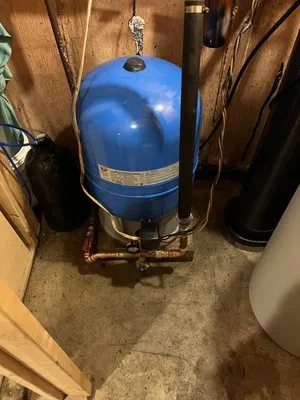
Rural plumbing is a self-contained system. The well pump and pressure tank are your water source, and the septic tank and drain field handle waste. This means a power outage can stop water flow, and a failed septic pump can cause a backup. Maintenance is proactive—checking pressure tank pre-charge and having the septic tank pumped every 3-5 years is essential.
Why are my copper pipes from the 60s suddenly leaking?
A 57-year-old copper system fails in predictable ways. Pinhole leaks are the most frequent issue, caused by decades of water flow thinning the pipe wall. You will also find joints, especially soldered elbows, weakened by calcification and mineral scale from the hard water. This scale buildup restricts flow and creates points of failure.
How long do copper pipes last in a Keyser home built in the late 60s?
Copper pipes installed in 1969 are now 57 years old. In the Keyser Residential District, that age means you are likely seeing the first wave of failures. The copper is thinning, and pinhole leaks are common, especially where pipes touch studs or rest on concrete. While copper is durable, its lifespan is finite, and these systems are now well beyond their expected service life.
