Top Emergency Plumbers in Jasonville, IN, 47438 | Compare & Call

There are 21 plumbing companies server in Jasonville IN
Hoggatt Plumbing is a trusted local plumbing service in Terre Haute, IN, offering comprehensive solutions for residential and commercial needs. With expertise in bathtub, drain, faucet, gas line, sewe...
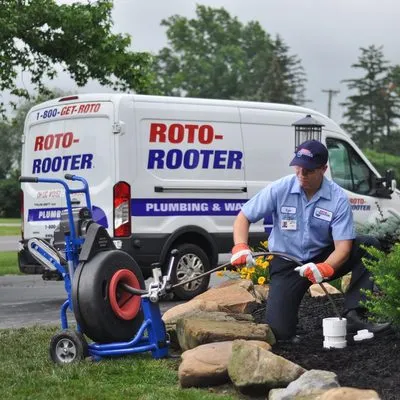
Roto-Rooter Plumbing & Water Cleanup
Roto-Rooter Plumbing & Water Cleanup in Avon, IN is a locally trusted, fully staffed team ready to help 24/7. Our dependable, fast, and friendly plumbers provide a wide range of services for homeowner...
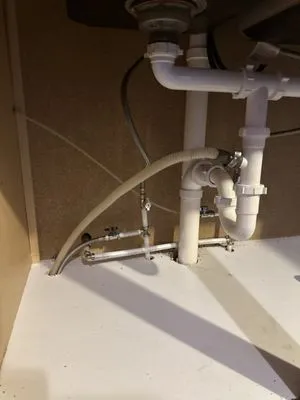
Commercial Service in Bloomington, IN has been a trusted local provider of HVAC and plumbing solutions since 1946. Founded by Joe Hamros as a small heating repair company, it grew under Jules Sonnebor...
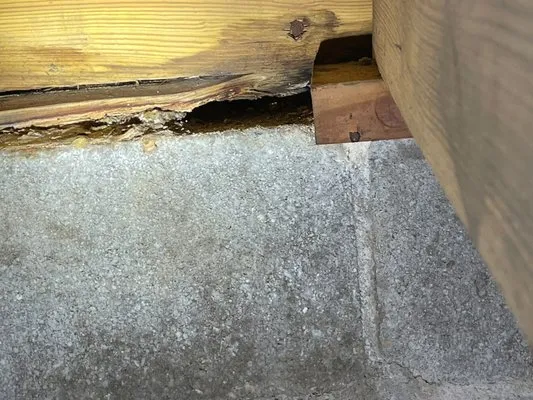
As your local home inspector in Linden, IN, it is my duty and privilege to provide the highest standard of service, equipping you with the clear, actionable information you need about a property's con...

New Gen Mechanical
New Gen Mechanical is a trusted, full-service contractor based in Linton, IN, dedicated to meeting the diverse home service needs of our local community. We specialize in HVAC, plumbing, electrical, a...

Rent A Man, LLC provides reliable handyman and plumbing services for Evansville homes and businesses. With years of local experience, we specialize in a wide range of tasks from appliance installation...

Peters Construction is a trusted Vincennes-based contractor specializing in comprehensive plumbing and home repair services. With many local homes experiencing issues like old plumbing leaks and bathr...

HuntCanFixIt is your trusted, local handyman and repair service right here in New Pekin, IN. We tackle a wide range of home projects, from appliance and plumbing repairs to full-scale construction lik...
Knossos Contractor Grade is a family-owned and operated business serving Sullivan, Indiana, with comprehensive plumbing, HVAC/R, and electrical services. Founded and run by a father-son team, we are t...
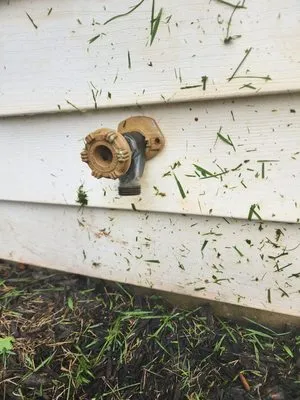
Punchlist Pros is a veteran-owned handyman service based in Rosedale, Indiana, with over 15 years of experience serving Clinton and the surrounding areas. We specialize in a comprehensive range of hom...
Estimated Plumbing Costs in Jasonville, IN
Question Answers
Is rural plumbing in Greene County different from city plumbing?
Fundamentally, yes. Rural systems here rely on a private well and a septic tank or field, creating two separate but critical systems you own entirely. Pressure is managed by a well pump and pressure tank, not a municipal grid. Septic maintenance, like regular pumping, is non-negotiable to avoid a failure that can shut down all your drains. You're the utility manager, so understanding the basics of both systems is key to avoiding emergencies.
Could the flat land here cause plumbing issues?
The relatively plain terrain around Shakamak State Park can complicate drainage. Without a natural slope, stormwater and groundwater have less gravitational pull to move away from your foundation. This saturated soil puts constant hydrostatic pressure on your home's main sewer line, which can lead to joint infiltration, root intrusion at connections, and in severe cases, a backup when the system is overwhelmed. Proper grading and functional drain tile are critical.
Does hard well water damage my plumbing?
Yes, the mineral-heavy water from private wells around Jasonville accelerates wear. Hard water causes limescale to cement itself inside pipes, water heaters, and faucet cartridges. This scale drastically reduces the lifespan of a water heater by insulating the heating elements and promoting overheating. For fixtures, it leads to seized stems and reduced valve life, meaning you'll be replacing cartridges and handles far more often than with treated municipal water.
What's the most important spring plumbing tip for this area?
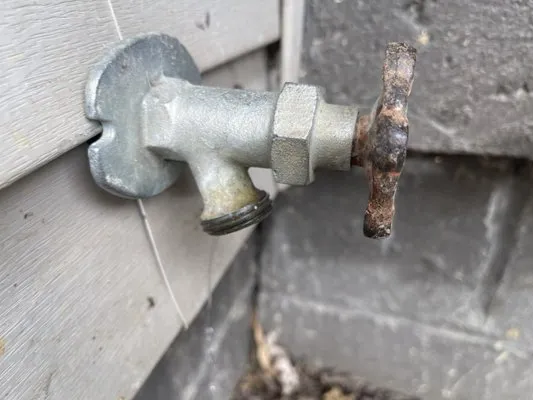
Before the spring thaw hits its peak, disconnect any garden hoses and ensure your exterior hose bibs are fully drained and shut off. Our winter lows around 20°F can cause a small ice blockage in the bib. When the thaw comes, water expands behind that ice and has nowhere to go, which can split the pipe inside your wall. This simple, five-minute task each fall prevents a very common and costly leak when temperatures rise.
Do I need a permit to replace my water heater in Greene County?
Most water heater replacements in Greene County require a permit from the Building Department. As a master plumber licensed through the Indiana Professional Licensing Agency, I pull those permits, schedule the required inspections, and ensure the installation meets all current code for pressure relief, seismic straps, and proper venting. Handling this red tape is part of the job, protecting your home's value and ensuring the work is documented and insurable.
Why do my old pipes keep springing pinhole leaks?
Galvanized steel from the mid-50s fails in a predictable pattern. As the pipe wall corrodes from the inside out, it becomes unevenly thin. The thinnest spots, often at threaded joints or where sediment sits, develop pinhole leaks. These aren't manufacturing defects; they're the end-stage symptom of 70 years of electrochemical corrosion and mineral scale buildup. Repairing one pinhole rarely solves the problem, as the surrounding pipe is often just as compromised.
How fast can a plumber get to me in Jasonville?
Our typical dispatch from a service call at Shakamak State Park heads north on State Road 59 into town. That route usually puts us at a Downtown Jasonville address within 45 to 60 minutes. We factor in local traffic and the final turn-offs onto county roads, so we provide a clear window when we're on our way. You'll get a call with a firm ETA once we're rolling.
My Jasonville house was built in 1956. What should I expect from my pipes now?
Galvanized steel pipes installed in 1956 are now 70 years old. For homeowners in Downtown Jasonville, this age means the interior zinc lining is fully degraded, leading to severe rust buildup and restricted flow. You'll commonly notice low water pressure at multiple fixtures and discolored, rusty water, especially after the line has been static. This isn't a minor clog; it's the systemic failure of the pipe material itself, and spot repairs often just shift the next leak a few feet down the line.
