Top Emergency Plumbers in French Lick, IN, 47432 | Compare & Call

There are 10 plumbing companies server in French Lick IN
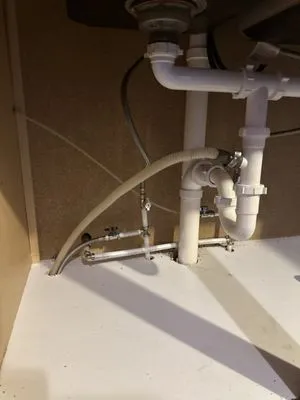
Commercial Service in Bloomington, IN has been a trusted local provider of HVAC and plumbing solutions since 1946. Founded by Joe Hamros as a small heating repair company, it grew under Jules Sonnebor...

HuntCanFixIt is your trusted, local handyman and repair service right here in New Pekin, IN. We tackle a wide range of home projects, from appliance and plumbing repairs to full-scale construction lik...
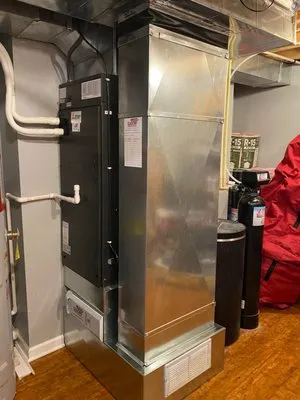
Gudorf Plumbing Heating Cooling Electrical
Gudorf Plumbing Heating Cooling Electrical is a family-owned and operated business serving Jasper, IN, and the surrounding communities since 1964. For three generations, the Gudorf family has built a ...
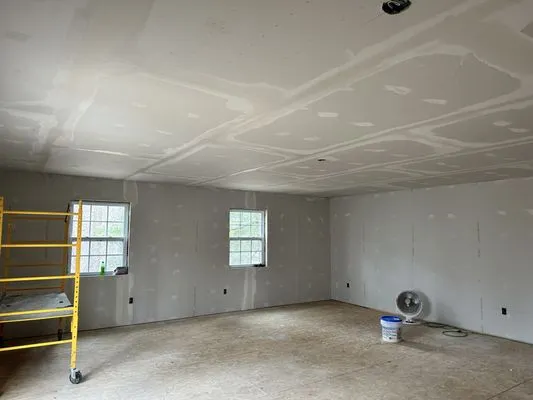
Complete Home Repair Service is your trusted, full-service contractor serving French Lick and the surrounding communities. We handle everything from major home additions and whole-house remodels to es...
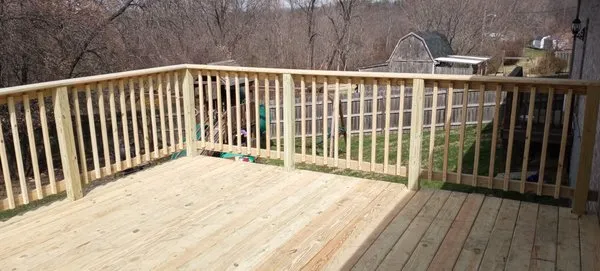
Eric's Contracting Service
Eric's Contracting Service in Celestine, IN, is a trusted local contractor specializing in comprehensive home improvement and construction solutions. Serving the Celestine community, Eric and his team...
Falcone Home Improvement Services
Falcone Home Improvement Services brings over two decades of specialized plumbing and construction expertise to Bloomington homeowners. Owner and lead technician John Falcone honed his skills as a suc...
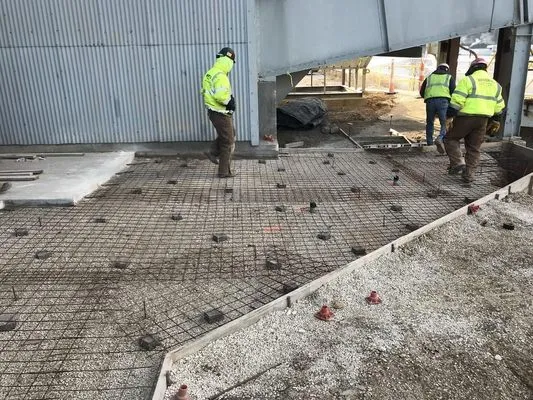
Daugherty's Services
For over 50 years, Daugherty's Services has been the trusted plumbing and excavating partner for homeowners and businesses in Orleans and the surrounding Jackson and Monroe counties. As a second-gener...

Edwards Heating And Cooling
Edwards Heating And Cooling is your trusted local expert in Mitchell, IN, dedicated to keeping your home comfortable and safe year-round. We specialize in comprehensive HVAC installation, repair, and ...
Winsupply of Bedford is a locally owned and operated plumbing, HVAC, kitchen, and bath wholesaler serving Bedford, IN, and surrounding communities. With deep roots in the area since 2006, owner Dwain ...
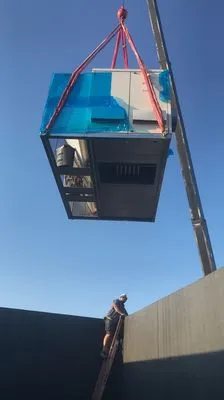
SCHMIDT CONTRACTING
For over 70 years, Schmidt Contracting has been a trusted name in Jasper, Indiana, providing comprehensive residential and commercial services. Specializing in HVAC, plumbing, and commercial roofing, ...
Estimated Plumbing Costs in French Lick, IN
Questions and Answers
How quickly can a plumber reach my home in French Lick during an emergency?
Heading past French Lick Springs Hotel on State Road 56, our dispatch route covers most of French Lick within 45-60 minutes. We maintain trucks staged for quick response to the hilly areas around Patoka Lake. While some remote properties might take longer, we prioritize getting someone on the road immediately when you call with a water emergency.
What permits or regulations should I know about for plumbing work in Orange County?
The Orange County Planning and Zoning Department requires permits for most plumbing modifications, especially those involving water supply or drainage system changes. As a master plumber licensed through the Indiana Professional Licensing Agency, I handle the red tape so you don't have to. This includes submitting plans, scheduling inspections, and ensuring all work meets current Indiana plumbing code requirements for safety and functionality.
Does Patoka Lake water cause problems with my home's plumbing fixtures?
Water from Patoka Lake contains high mineral content that creates hard water scaling throughout your plumbing system. Scale buildup reduces efficiency in water heaters by insulating heating elements, forcing them to work harder and shortening their lifespan. Fixtures develop reduced flow as mineral deposits accumulate in aerators and valve seats. Regular descaling of water heaters and fixture maintenance helps manage these effects.
Are there special plumbing considerations for rural homes around French Lick?
Rural properties typically have private wells and septic systems rather than municipal connections. Well pumps require regular maintenance to handle hard water from local aquifers, and septic systems need proper sloping on hilly terrain to function effectively. Water pressure management becomes crucial since there's no municipal pressure regulation. We recommend annual well inspections and septic pumping every 3-5 years based on household size.
My house in Downtown French Lick was built around 1958. What should I expect from my plumbing now?
Galvanized steel pipes installed in 1958 are now 68 years old. Homeowners in Downtown French Lick are seeing widespread failures as the zinc coating has worn away, leaving bare steel exposed to corrosion. You'll notice reduced water pressure from mineral buildup inside the pipes and rusty discoloration in your water. Many systems from this era are reaching the end of their functional lifespan and require complete replacement rather than spot repairs.
Could the hilly landscape around French Lick Springs Hotel affect my home's drainage?
Hilly terrain places constant stress on main sewer lines through soil shifting and gravitational pull on pipe joints. Properties on slopes often experience drainage issues where wastewater doesn't flow properly toward the municipal connection or septic tank. The soil composition around French Lick can expand and contract with moisture changes, putting additional pressure on buried pipes. Proper grading and reinforced pipe bedding help mitigate these terrain-related challenges.
Why do my old pipes keep springing leaks even after repairs?
Galvanized steel pipes from 1958 develop pinhole leaks as the interior corrodes unevenly. Joint calcification is another common failure where mineral deposits build up at connections, creating weak points that crack under pressure. These issues indicate systemic deterioration rather than isolated problems. Temporary fixes often fail because the surrounding pipe material has already been compromised by decades of corrosion.
What should I do to prepare my plumbing for French Lick's spring weather changes?
With temperatures dropping to 21°F and spring thaw creating pressure fluctuations, insulate exposed pipes in crawl spaces and basements before winter ends. A pro-tip for our temperate climate: shut off and drain outdoor spigots before the first freeze, then check for leaks as things warm up. Spring thaw can reveal weaknesses that developed over winter, so monitor your water pressure during this seasonal transition.
