Top Emergency Plumbers in Deer Creek, IN, 46901 | Compare & Call

There are 236 plumbing companies server in Deer Creek IN
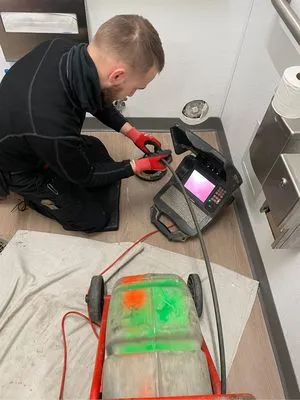
Rescue Plumbing
Rescue Plumbing has been a trusted, local plumbing service in Chicago since 2018. Founded by lifelong Chicagoland resident Benjamin Vance, our mission is rooted in integrity and building lasting relat...
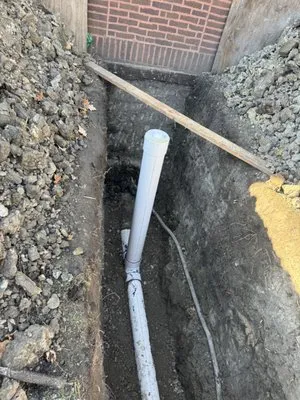
Midwest Hydro Jetting And Sewer Service is a Chicago Ridge plumbing company built on a foundation of local craftsmanship and customer-first service. Owner-operated from the start, our team is selected...

Sims & Sons Electric and Plumbing is a family-owned, licensed and bonded service company serving Chicago and its northern suburbs. Founded by Darrell Sims, who began working in electrical and plumbing...
Zuniga's Plumbing is a trusted, full-service plumbing and heating company serving Chicago and its surrounding suburbs. With a deep-rooted history spanning over 50 years in the industry and a dedicated...

Chicago Sewer and Drain Professionals is a licensed plumbing service based in North Riverside, IL, dedicated to providing reliable and affordable sewer and drain solutions for homeowners throughout th...
Rescue Plumbing
Rescue Plumbing is a Chicago-based plumbing company founded in 2018 by lifelong Chicagoland resident Benjamin Vance. With a focus on integrity and customer-oriented service, we've built a trusted repu...
Goode Plumbing
Goode Plumbing has been serving Chicago residents and businesses since 2006, founded by Michael Goode who brings over three decades of plumbing experience to every job. Starting his career in 1993, Mi...
Arrow Plumbing, Heating & Air Conditioning
Arrow Plumbing, Heating & Air Conditioning is a family-owned business that has been a trusted name in Libertyville and Lake County since 1996. Founded on a commitment to unwavering ethics and quality ...
Roman Ranger Plumbing is a locally-owned and operated Chicago plumbing service founded on a lifelong dedication to sanitation work. Owner Michael Steele began his trade at age 13, bringing over 12 yea...
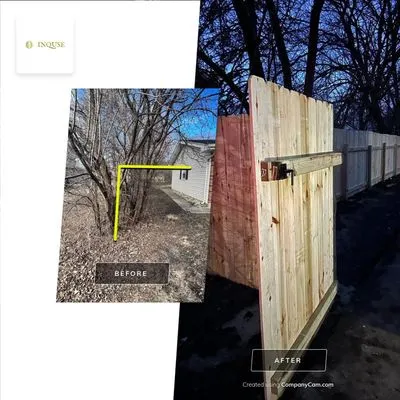
Golden General Contractor is a full-service Elmwood Park contractor trusted for residential and commercial building projects. We handle everything from comprehensive home additions and structural repa...
Estimated Plumbing Costs in Deer Creek, IN
Common Questions
Are septic and well systems common in Deer Creek homes?
Most Deer Creek properties use private septic and well systems rather than municipal connections. Septic systems require regular pumping every 3-5 years to prevent backups into the home. Well components like pressure tanks and pumps need periodic maintenance to ensure consistent water supply. Understanding these systems helps homeowners avoid surprises during plumbing repairs or inspections.
Could the flat land around Deer Creek affect my drainage system?
Plain terrain near Deer Creek Covered Bridge lacks natural slope for drainage, causing water to pool around foundations. This constant moisture stresses main sewer lines through soil expansion and contraction. Proper grading away from your home's foundation prevents most drainage issues. Installing French drains or sump pumps becomes necessary when water consistently collects near the structure.
Who handles permits for plumbing work in Carroll County?
The Carroll County Area Plan Commission oversees local permits, while the Indiana Professional Licensing Agency regulates plumbing licenses. As a licensed master plumber, I submit all required paperwork and coordinate inspections. Homeowners avoid dealing with bureaucratic red tape directly. Proper permitting ensures work meets current codes and protects your property value.
Why do my older pipes keep springing small leaks?
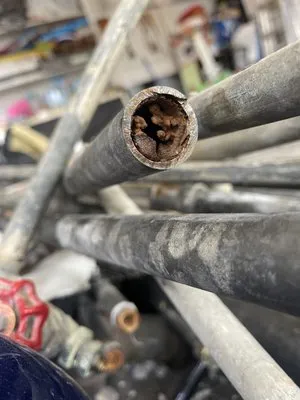
Galvanized steel pipes from the 1950s develop pinhole leaks due to internal corrosion and mineral buildup. The zinc coating wears away over decades, exposing the underlying steel to oxygen and water. Joint calcification also stresses connections as minerals harden and expand. These failures often cluster near fixtures where water sits stagnant, accelerating corrosion.
How quickly can a plumber reach my home in Deer Creek?
Heading past Deer Creek Covered Bridge on State Road 29 provides the most direct route through the township. From there, we navigate local roads to reach your property, typically within 45-60 minutes of dispatch. This routing avoids unnecessary detours while accounting for rural road conditions. We prioritize emergency calls to minimize water damage during critical failures.
My Deer Creek home was built around 1950—should I be worried about the plumbing?
Galvanized steel pipes installed in 1950 are now 76 years old, well beyond their 50-year lifespan. Homeowners in Deer Creek Township Core often notice reduced water pressure first, followed by rust-colored water from internal corrosion. These pipes typically fail from the inside out, so visible rust spots on the exterior mean significant interior damage has already occurred. Replacing sections piecemeal becomes costly when the entire system reaches this age.
Does hard water from our well damage plumbing fixtures?
Hard water from private wells deposits scale inside pipes, water heaters, and fixtures. This mineral buildup reduces flow rates by narrowing pipe diameters over time. Water heaters work harder and fail sooner when scale insulates heating elements. Installing a whole-house water softener protects your plumbing investment and extends appliance lifespans significantly.
What should I do before spring thaw to prevent plumbing problems?
Insulate exposed pipes before temperatures drop to 18°F, focusing on crawl spaces and exterior walls. Drain outdoor spigots completely and shut off their supply valves. During spring thaw, check for new drips or moisture around pipe connections as ground shifting occurs. These proactive steps prevent most freeze-related emergencies in our temperate climate.
