Top Emergency Plumbers in Cumberland, IN, 46140 | Compare & Call

There are 209 plumbing companies server in Cumberland IN
Grateful Plumber
Adam, a highly experienced licensed plumber, founded Grateful Plumber to serve the greater Indianapolis area with a commitment to quality and reliability. We believe a successful plumbing business is ...

Carter's My Plumber
Carter's My Plumber is a third-generation, family-owned plumbing business proudly serving Greenwood, IN, and the wider Indianapolis area since 1976. Founded on a legacy of craftsmanship, the company w...
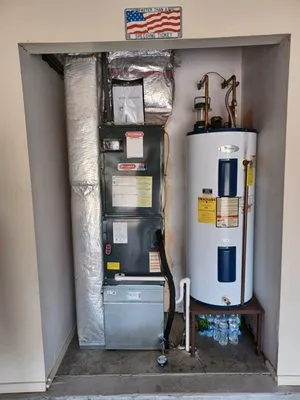
Peterman Brothers
Peterman Brothers began in 1986 when Pete, an HVAC contractor in Beech Grove, noticed his community deserved better service and founded Peterman Heating & Cooling to provide genuine, personalized care...

Summers Plumbing Heating & Cooling
For over 40 years, Summers Plumbing Heating & Cooling has been the trusted name for reliable plumbing, heating, and cooling services across Indiana and Ohio. With 16 locations, including dedicated ser...
Home Heroes Plumbing Heating & Air
Home Heroes Plumbing Heating & Air is a locally owned and family-operated business serving Fishers, Indiana, and surrounding Hamilton and Madison County areas. Founded by a professional who witnessed ...

T & C Plumbing was founded in 2022 by a McCordsville plumber who saw a local need for fair and affordable plumbing services. Frustrated by high prices in the area, the owner made a commitment to alway...
Ciriello Plumbing
Ciriello Plumbing has been serving the Greater Indianapolis area since 1952, when Bill Ciriello, Sr. started the family-owned business with a $200 loan and a commitment to quality workmanship and cust...
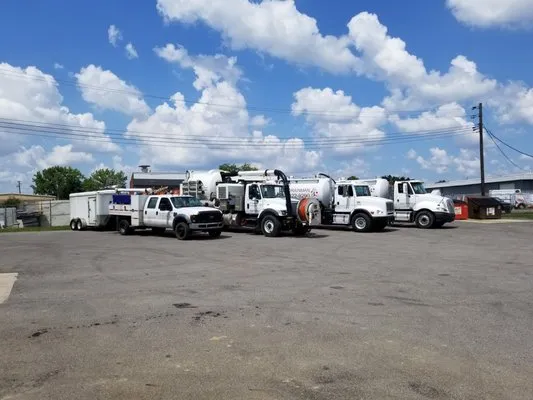
For over three decades, The Drainman has been a trusted plumbing partner for Indianapolis. Founded in 1984 by John Phillips, our family-owned business is built on a simple promise: high-quality, hones...

Cook&perry Plumbing is your trusted, local plumbing expert serving New Palestine and the surrounding areas. We understand the common frustrations homeowners here face, from persistent toilet seal leak...
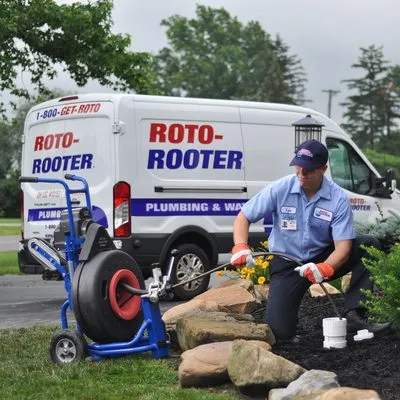
Roto-Rooter Plumbing & Water Cleanup
I am a Local SEO writer specializing in creating helpful, factual content for service-based businesses to connect with their local communities....
Estimated Plumbing Costs in Cumberland, IN
Q&A
As a suburban homeowner, what should I know about my main sewer line?
Your lateral line from the house to the municipal main is your responsibility. In established suburbs like ours, the primary concern is root intrusion from mature trees seeking moisture. Even small cracks at pipe joints can invite roots that eventually cause blockages. A video inspection every few years is the best way to monitor its condition. Municipal water pressure here is generally stable, but a sudden drop could indicate a leak in your service line between the street and your meter.
How quickly can a plumber get to my house in Cumberland if I have a burst pipe?
From my shop, the dispatch route typically starts by heading past Buck Creek Trail onto US-40, which provides a straight shot into most Cumberland neighborhoods. Barring major traffic, that's a reliable 20 to 30 minute response window. I plan routes around school zones and known congestion points to keep that time consistent. For true emergencies, we're wheels-up immediately, using that main artery to minimize your water damage.
Could the flat land near Buck Creek Trail cause plumbing problems?
Plain terrain can complicate drainage. Without a natural slope, water from heavy rains or snowmelt has nowhere to go but down. It saturates the soil, which then places constant hydrostatic pressure on your home's foundation and the buried sewer main. Over years, this pressure can stress pipe joints and lead to infiltration or even a shift in the main line. Proper grading away from your foundation is your first defense against these slow-motion issues.
Why do my 1980s copper pipes keep springing pinhole leaks?
Pinhole leaks in 38-year-old copper are often due to a process called pitting corrosion. Over decades, the protective oxide layer inside the pipe breaks down in spots, accelerated by our hard water. This creates tiny, concentrated pits that eventually penetrate the wall. We frequently find these leaks at soldered joints or in horizontal runs where sediment and minerals can settle, creating a more corrosive environment against the pipe wall.
What's the most important spring plumbing task for Cumberland's climate?
Before the spring thaw hits its peak, disconnect and drain your garden hoses. A hose left connected traps water in the exterior faucet and the supply line inside the wall. When overnight temps still dip toward 20°F, that trapped water can freeze, expand, and split the pipe. This simple, five-minute task prevents the most common freeze-related burst pipe we see in this temperate climate, where late frosts catch homeowners off guard.
My home in Gem Village was built around 1988. Are my copper pipes getting old?
Copper pipes installed in 1988 are now 38 years old, which is right in the window where we see predictable issues. Homeowners here are starting to notice a rise in pinhole leaks, particularly in hot water lines where thermal cycling has stressed the metal for decades. The initial shine inside those pipes has worn down, making them more susceptible to corrosion from our mineral-heavy water. It's not a system-wide failure, but a phase where proactive inspection and targeted replacements become cost-effective.
Does hard water from the White River area damage water heaters?
Yes, the mineral content, or hardness, in our water directly leads to scale buildup. Inside a water heater, this scale acts as an insulator on the heating elements or gas burner, forcing the unit to work harder and use more energy. More critically, scale accumulation in the tank's bottom can trap water against the steel, causing premature corrosion and failure. An annual flush to remove sediment is not just maintenance; it's essential for extending the life of the appliance.
Do I need a permit to replace my water heater in Cumberland?
Most plumbing replacements, including water heaters, require a permit from the Cumberland Planning and Development Department. As a master plumber licensed by the Indiana Professional Licensing Agency, I pull all necessary permits and schedule the required inspections as part of the job. Handling this red tape ensures the work is documented to code, which is critical for your home's records and safety. You shouldn't have to navigate that process.
