Top Emergency Plumbers in Covington, IN, 47932 | Compare & Call

There are 18 plumbing companies server in Covington IN
Clean Line Sewer Septic & Plumbing has been a trusted name in Danville and the surrounding area for over four decades, since 1982. We've built our reputation on providing quick, reliable service at af...

Kunce's Sales & Service is a trusted plumbing resource for Milford, IL homeowners. Local winters bring the risk of frozen pipes, while kitchen activities can lead to stubborn grease clogs. Kunce's tea...
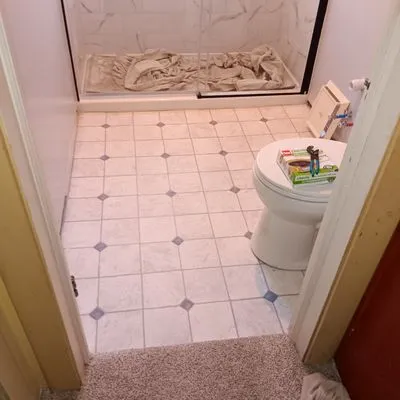
S. Henderson Plumbing, L.L.C. is a family-owned and operated Thorntown plumbing company founded on over 25 years of trusted service. As a city-licensed and bonded Master Plumber, owner Steve Henderson...

Peterman Brothers
Since opening our doors in 1986, Peterman Brothers has been the trusted local name in Lafayette for reliable plumbing, heating, and air conditioning solutions. We handle everything from routine plumbi...
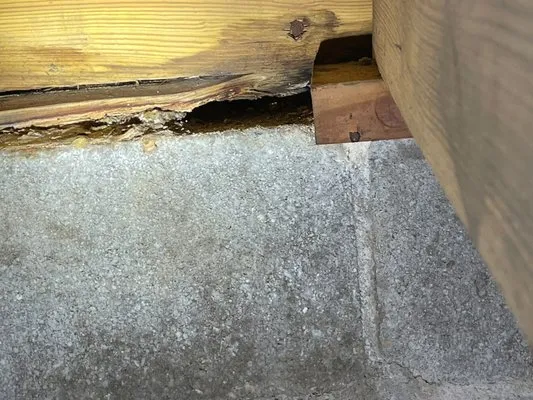
As your local home inspector in Linden, IN, it is my duty and privilege to provide the highest standard of service, equipping you with the clear, actionable information you need about a property's con...

Rent A Man, LLC provides reliable handyman and plumbing services for Evansville homes and businesses. With years of local experience, we specialize in a wide range of tasks from appliance installation...

Peters Construction is a trusted Vincennes-based contractor specializing in comprehensive plumbing and home repair services. With many local homes experiencing issues like old plumbing leaks and bathr...
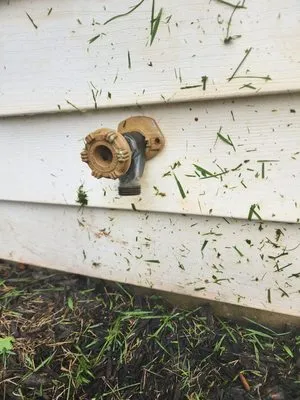
Punchlist Pros is a veteran-owned handyman service based in Rosedale, Indiana, with over 15 years of experience serving Clinton and the surrounding areas. We specialize in a comprehensive range of hom...

KC DeWeese and Company
KC DeWeese and Company is a locally-owned plumbing service in Brazil, Indiana, with deep roots in the community. With over 1500 projects completed across Clay, Vigo, Putnam, Owen, and Parke counties, ...
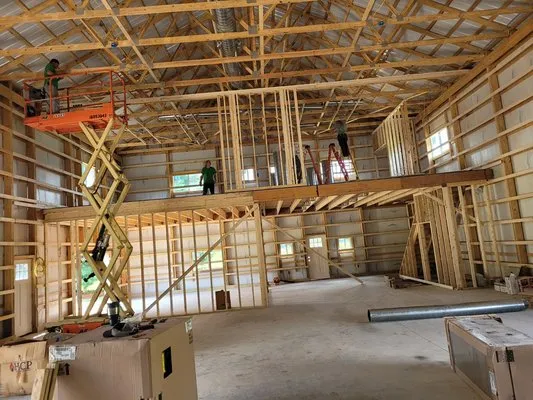
Hill Top Plumbing Heating and Air Conditioning
Hill Top Plumbing Heating and Air Conditioning is a trusted, locally-owned company serving Brazil, Indiana, and the surrounding Clay County area. We specialize in comprehensive solutions for both your...
Estimated Plumbing Costs in Covington, IN
Questions and Answers
My Downtown Covington home was built around 1957—what should I expect from my plumbing now?
Galvanized steel pipes installed in 1957 are now 69 years old, which exceeds their typical 50-year lifespan. Homeowners in Downtown Covington often notice reduced water pressure, rust-colored water, or frequent leaks as the interior zinc coating wears away. This corrosion accelerates with age, leading to restricted flow and eventual pipe failure. Addressing these issues early can prevent more extensive damage to your home's plumbing system.
How quickly can a plumber reach my home in Covington for an emergency?
Heading past Fountain County Courthouse on US-136, I can typically reach most Covington addresses within 45 to 60 minutes. This dispatch route uses main thoroughfares to minimize travel time across Fountain County. For urgent issues like burst pipes or major leaks, I prioritize direct routing to expedite service. Knowing local roads helps me navigate efficiently to your location.
Why do older Covington homes have so many pinhole leaks in their pipes?
Galvanized steel pipes from the 1950s develop pinhole leaks due to internal corrosion and scale buildup over decades. The zinc coating deteriorates, exposing the underlying steel to water and minerals, which weakens the pipe walls. These small leaks often appear first at joints or fittings where corrosion concentrates. Regular inspections can identify vulnerable spots before they lead to significant water damage.
Are there special plumbing considerations for rural Covington homes?
Rural Covington homes often rely on private wells and septic systems, which require different maintenance than municipal services. Well pumps and pressure tanks need regular checks for sediment or hard water scaling. Septic systems should be inspected every 3-5 years to prevent failures that can damage drain fields. Understanding these systems helps avoid costly repairs unique to rural settings.
Does hard water from the Wabash River affect my plumbing fixtures?
Hard water from the Wabash River contains minerals like calcium and magnesium that form scale deposits inside pipes and appliances. Over time, this scaling reduces water heater efficiency by insulating heating elements and clogging faucet aerators. Water softeners or descaling treatments can mitigate these effects and extend the life of your fixtures. Without intervention, scale buildup accelerates wear on valves and seals.
What should I do to prepare my Covington plumbing for spring thaw?
Spring thaw in Covington, with lows around 19°F, can cause frozen pipes to burst as they thaw. Insulate exposed pipes in unheated areas like basements or crawl spaces before temperatures rise. Keep cabinet doors open to allow warm air circulation around plumbing during thaw periods. Monitoring for leaks or moisture as ice melts helps catch issues early and prevent water damage.
Who handles permits and regulations for plumbing work in Fountain County?
The Fountain County Building Department oversees local permits, while the Indiana Professional Licensing Agency ensures plumbers meet state standards. I manage permit applications and inspections for projects like water heater replacements or sewer line repairs. Handling this red tape saves you time and ensures compliance with current codes. My credentials guarantee work is done legally and safely.
How does the flat terrain around Fountain County affect my home's drainage?
Plain terrain around Fountain County Courthouse limits natural slope for drainage, which can lead to water pooling near foundations. This puts stress on main sewer lines by increasing hydrostatic pressure and soil saturation. Proper grading away from your home and functional downspouts direct water flow to reduce strain. Ensuring clear drainage paths helps maintain sewer line integrity and prevents backups.
