Top Emergency Plumbers in Corydon, IN, 47112 | Compare & Call

There are 21 plumbing companies server in Corydon IN

HuntCanFixIt is your trusted, local handyman and repair service right here in New Pekin, IN. We tackle a wide range of home projects, from appliance and plumbing repairs to full-scale construction lik...
Your Second Opinion Plumbing is a locally owned and operated service serving New Albany, Indiana, and the surrounding communities. With a combined team experience of over 40 years, they provide honest...
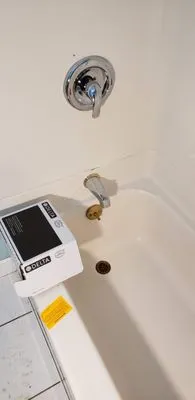
Elliott Plumbing Services is your trusted local plumbing expert serving Henryville, IN, and the surrounding areas. We specialize in a comprehensive range of residential and commercial plumbing solutio...
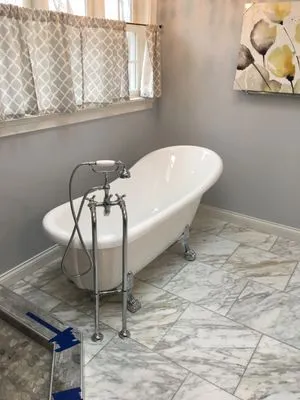
Heartland Mechanical is your trusted, full-service plumbing company in Palmyra, IN. We understand the common plumbing headaches facing local homeowners, from persistent bathroom drain buildup to stubb...

H20 Plumbing
Founded in Greenville, IN in 2003 by Richard M Mullins Jr, H2O Plumbing has grown into a trusted name throughout Southern Indiana, including Corydon. For over 15 years, our focus has been on honest wo...
M Hood Plumbing is your trusted, local plumbing expert in Depauw, IN. We understand that many homes in our area face common issues like frustratingly low water pressure and persistent toilet seal leak...
Onsite Plumbing Heating & Air
Onsite Plumbing Heating & Air has been a trusted local fixture in Clarksville since 2003, helping homeowners and business owners maintain comfortable, efficient properties. We provide reliable service...
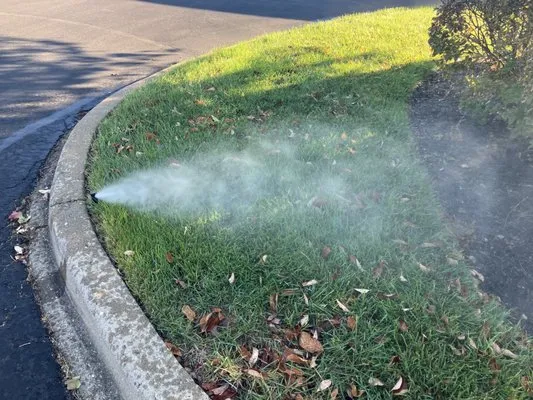
Garden Glow LLC is a family-owned and operated business in New Pekin, IN, with over 24 years of experience serving our community. We specialize in creating and maintaining beautiful, functional outdoo...

Titan Construction & Remodeling is a trusted Corydon, IN contractor specializing in comprehensive home improvement and remodeling services. We help local homeowners enhance their living spaces with ba...

Ben's Handyman Services
Hello, I'm Ben. As the owner of Ben's Handyman Services in Georgetown, I bring over 20 years of hands-on experience to every project. My business is built on a foundation of reliability and craftsmans...
Estimated Plumbing Costs in Corydon, IN
Questions and Answers
My galvanized pipe has a small leak. Can it just be patched?
A pinhole leak in 70-year-old galvanized steel is rarely an isolated issue. The zinc coating has corroded away, leaving the underlying steel to rust through. Soldering or clamping a patch onto brittle, thin metal often just shifts the failure point a few inches down the line. Full section replacement, or better yet, a planned repipe, is the reliable solution to prevent recurring leaks.
Why are so many houses downtown suddenly getting rusty water and low pressure?
The original galvanized steel plumbing in Corydon homes, installed around 1955, is now over 70 years old. That lifespan has been reached. What you’re seeing in the Downtown Historic District is the predictable final stage: interior corrosion and scale buildup has narrowed the pipes to a pinhole, drastically reducing flow. The rust flecks in your water are a clear sign the pipe walls are actively degrading from the inside out.
Do I need a permit to replace my own water heater or re-pipe a bathroom?
Yes, Harrison County and the State of Indiana require permits for most plumbing alterations to ensure code compliance and safety. As a master plumber licensed by the Indiana Professional Licensing Agency, I handle pulling the permit, scheduling inspections, and providing the required documentation. This manages the red tape for you and guarantees the work is certified for your home’s records and future resale.
Does our hard water from the Ohio River ruin water heaters faster?
Yes, the mineral content leads to accelerated scale buildup. Inside your water heater, that scale acts as an insulator on the heating elements or gas burner, forcing it to work harder and overheat. It also settles in the tank’s bottom, trapping sediment that corrodes the steel. Flushing the tank annually and considering a water softener are the best defenses against premature failure.
Are septic system issues common for properties just outside town?
In the more rural parts of the county, septic and private well systems are standard. The clay-heavy soil common here can slow drainage, leading to premature field line saturation and backups. It’s critical to pump the tank every 3-5 years and avoid putting grease or chemical drain cleaners into the system, as they kill the necessary bacteria and can contaminate your well.
How fast can a plumber get to my house if I have a burst pipe?
From my shop, the dispatch route typically heads past the Old Capitol Building to the I-64 ramp. That access allows for a 45 to 60 minute response window to most addresses in the county, even during heavier traffic. We prioritize emergencies and coordinate en route to ensure the right parts and equipment are on the truck before we arrive.
What’s the most important thing to do before spring to avoid plumbing problems?
Disconnect and drain your garden hoses before the first hard freeze. A forgotten hose traps water in the faucet’s bib, which can freeze and crack the pipe inside your wall. This is a common, preventable leak that often isn’t discovered until the spring thaw when you turn the water back on. Insulating exposed pipes in crawl spaces is also wise for our winter lows around 22°F.
Could the hilly land around my old house be causing my slow drains?
Hilly terrain like ours around the Old Capitol area puts constant, uneven stress on main sewer lines. Over decades, this can cause sections to sag, creating a ‘belly’ where waste and grease collect. That blockage leads to chronic slow drains. The slope can also affect foundation settlement, which may stress the water main entry point, leading to leaks.
