Top Emergency Plumbers in Clermont, IN, 46234 | Compare & Call

There are 14 plumbing companies server in Clermont IN

Chapman Heating, Air Conditioning & Plumbing
Chapman Heating, Air Conditioning & Plumbing is a locally owned and operated HVAC and plumbing company that has been serving Central Indiana for over 40 years. As the largest independent Bryant dealer...

Who's Your Plumber is a trusted Indianapolis plumbing service with over two decades of experience serving both residential and commercial clients. From new construction projects to urgent repairs and ...
Steg Plumbing is a family-owned and woman-operated plumbing company serving Indianapolis and Central Indiana with over three decades of experience. We approach every residential and commercial plumbin...

Dutton Plumbing, Inc. has been serving Avon, Indianapolis, and the surrounding communities since 2018. As a full-service plumbing company, we provide reliable and professional plumbing solutions for r...
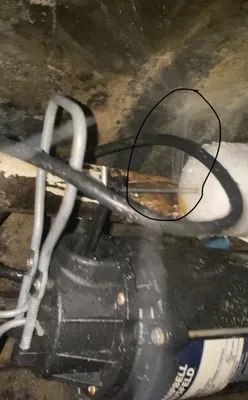
The Final Touch is a licensed and insured residential remodeling contractor serving Indianapolis and surrounding areas since 2018. Specializing in comprehensive home improvement services, they handle ...
Skilled Trade Solutions
Skilled Trade Solutions is a local Indianapolis business specializing in comprehensive home services, including HVAC, plumbing, appliance repair, and general handyman work. As a small, locally-owned o...

JSI Heating Cooling & Refrigeration
JSI Heating Cooling & Refrigeration is a trusted, locally-owned contractor serving Indianapolis and the surrounding communities. Established in 2022, we bring a fresh, dedicated approach to home comfo...

Indy Pro Plumbing is a family-owned plumbing service based in Clermont, IN, established in 2023. We provide reliable residential and commercial plumbing solutions for central Indianapolis, specializin...
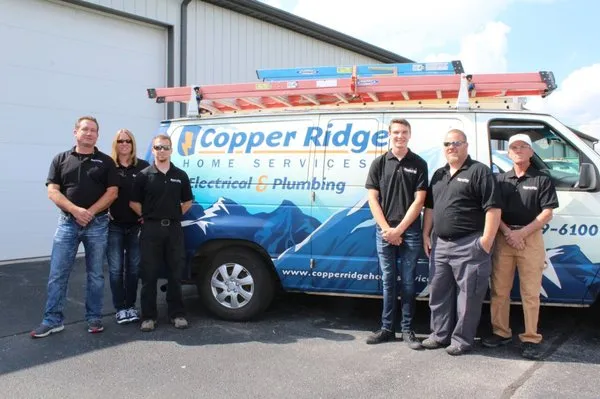
Copper Ridge Home Services
Copper Ridge Home Services is a trusted, full-service electrical and plumbing contractor serving Brownsburg and the surrounding communities. They provide comprehensive solutions for common local home ...

Complete Comfort
Complete Comfort is your trusted local home service provider in Brownsburg, Indiana. We are committed to being the familiar face you can rely on for reliable and thorough plumbing, heating, and air co...
Estimated Plumbing Costs in Clermont, IN
Frequently Asked Questions
My home was built in the 1960s in Clermont Proper. What kind of plumbing problems should I expect now?
Galvanized steel pipe installed around 1965 is now 60 years old. At this age, the zinc coating inside the pipe has worn away, leaving the base steel to rust from the inside out. Homeowners here are seeing severely reduced water pressure and rust-colored water from widespread internal corrosion. Complete pipe failure, where sections simply collapse, is a common next step for plumbing of this vintage in our area.
Could the flat land around the Raceway Park area cause plumbing issues?
The relatively plain terrain here affects drainage. During heavy rains or the spring thaw, water has less natural slope to run off. Saturated soil around your foundation can increase hydrostatic pressure on basement walls and put extra stress on your main sewer lateral, potentially leading to backups. It also means any blockage in your lateral has nowhere to go, requiring more frequent cleaning to maintain flow.
As a homeowner in suburban Clermont, what should I know about my sewer connection?
Your home connects to a municipal sewer main via a private lateral line. Tree roots seeking moisture are the most common cause of blockages in these suburban laterals. Municipal water pressure is generally consistent, but aging galvanized supply lines within your property boundary are the typical constraint on flow and pressure inside the house. Regular camera inspections of the lateral can prevent major sewer backups.
How quickly can a plumber get to my house in Clermont if I have a burst pipe?
From our dispatch point near Lucas Oil Indianapolis Raceway Park, we take I-74 directly into Clermont. Heading past the raceway and staying on I-74 gets us to most addresses in Clermont Proper within a 25-35 minute window, which is critical for containing water damage. We prioritize emergency calls and route around any local traffic on Crawfordsville Road.
What's the most important thing to do for my pipes before a hard freeze in this Indiana climate?
Disconnect and drain all outdoor hoses. Indoor pipes against exterior walls in unheated crawlspaces or garages are most vulnerable when temperatures drop near 20°F. Insulating those lines is a basic defense. A more reliable pro-tip for our temperate climate is to let a faucet farthest from the main supply drip slightly during a sustained deep freeze; moving water is much harder to freeze solid.
Who pulls the permits for a repipe or water heater replacement in Indianapolis?
Any major plumbing work requires a permit from the Indianapolis Department of Business and Neighborhood Services. As a master plumber licensed by the Indiana Professional Licensing Agency, I pull all necessary permits, schedule inspections, and ensure the work meets current code. My credential number is on the permit; this handles the red tape and protects your home's value and insurance compliance.
Why do my old galvanized pipes keep springing pinhole leaks?
Galvanized pipe corrodes from the inside due to constant contact with water and minerals. After six decades, the pipe wall becomes thin and uneven. Pinhole leaks occur at these weak spots where internal rust has completely breached the metal. The leaks often appear at threaded joints first, where the pipe was cut and the protective coating was compromised during the original installation in the 1960s.
Does hard water from the White River affect my home's plumbing?
Yes. Water drawn from the White River aquifer carries a high mineral content, primarily calcium and magnesium. These minerals precipitate out as scale, coating the inside of pipes and fixtures. Scale buildup drastically reduces flow in pipes and is a primary cause of premature water heater failure, as it insulates heating elements and traps sediment in the tank's bottom.
