Top Emergency Plumbers in Bristol, IN, 46507 | Compare & Call

There are 44 plumbing companies server in Bristol IN
Home Comfort Experts
Home Comfort Experts is a trusted local provider serving Mishawaka residents with comprehensive plumbing, HVAC, and indoor air quality solutions. Our team of skilled technicians specializes in residen...

Premier Contracting Services is a trusted, full-service contractor based in Mishawaka, serving the residential and commercial needs of our local community. With over a decade of experience, we special...

Frazier's Do-it All is a Foraker-based home services company founded in 2015 by an owner with 15 years of industry experience. We specialize in both plumbing and landscaping, offering everything from ...
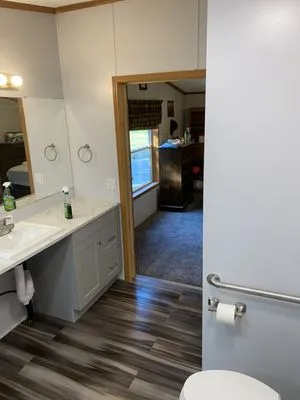
6luePrint in Nappanee, IN, is a trusted local flooring and plumbing specialist dedicated to solving common home maintenance problems for residents. We specialize in floor installation, repair, and res...

Jay Repairs Handyman
For over a decade, JayRepairs has been Bristol's trusted local handyman service, founded and operated by Jonathan. It all began with a passion for fixing things and helping neighbors, starting with sm...
Roto-Rooter Sewer & Drain Service
Roto-Rooter Sewer & Drain Service has been Elkhart's trusted plumbing partner since 1989, providing reliable solutions for both residential and commercial clients. As a city-approved contractor servin...
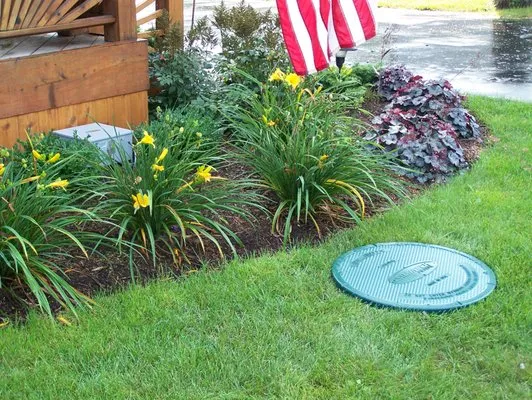
Mr. Septic began with a simple curiosity about how septic systems truly work, evolving into a mission-driven family business serving Mishawaka and the Michiana area for over a decade. We learned that,...
Absolute Plumbing, Heating, Cooling
Absolute Plumbing, Heating & Cooling has been a trusted name in Plymouth and across Northern Indiana since 2014, founded by John Turnage. With experience dating back to 1997, John started the company ...
Bill's Heating
Bill's Heating has been a trusted HVAC and plumbing provider in Goshen, Indiana, since 1951. Founded by Bill Miller, the company started in a home garage and has grown to serve Elkhart County with rel...
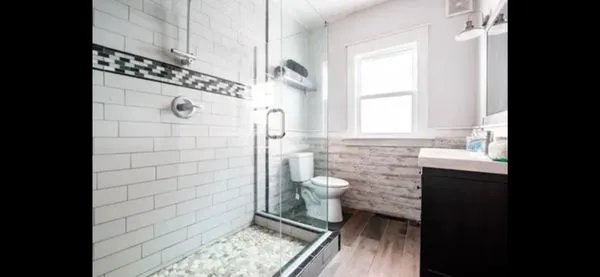
Measure Twice Home Services is a trusted local handyman and home improvement company serving Mishawaka, Indiana. We specialize in a wide range of services from appliance installation and plumbing repa...
Estimated Plumbing Costs in Bristol, IN
Frequently Asked Questions
How quickly can a plumber get to Bristol Village for an emergency?
From my shop, the dispatch route heads past Bonneyville Mill County Park onto US-15. That run typically takes 45 to 60 minutes in normal traffic. I plan for that transit so you get a realistic arrival window. Calling with clear details about the leak's location helps me bring the right parts on the first trip.
Could the flat land around here cause drainage problems for my home?
The plain terrain near Bonneyville Mill County Park means water has little natural slope to run off. During heavy rain or rapid snowmelt, saturated soil can put hydrostatic pressure on your foundation and basement floor drain. This constant pressure also stresses the main sewer line, potentially causing settlement or joint separation over time. Proper grading away from your home is a first-line defense.
What's the most important winter plumbing tip for Bristol's cold snaps?
Before temperatures hit the typical low of 17°F, disconnect and drain your garden hoses. A frozen hose bib can burst the water line inside your wall. For homes on crawl spaces, ensure foundation vents are closed to keep pipes under the floor above freezing. The spring thaw brings its own issues with ground shift, so checking for new leaks after the frost leaves is a good habit.
Do I need a permit to replace my water heater in Elkhart County?
Elkhart County Building Department requires permits for water heater replacements to ensure electrical and pressure relief codes are met. As a master plumber licensed by the Indiana Professional Licensing Agency, I pull those permits and schedule the required inspections. My credential number is on the paperwork; this handles the red tape so your installation is documented and insurable.
Does hard well water damage my plumbing fixtures?
Yes, the mineral content in private well water here causes significant scale buildup. This crust restricts flow inside faucet cartridges and valve seats, leading to low pressure and premature fixture failure. Water heaters are hit hardest; scale insulates the heating element, causing it to overwork and fail while also reducing tank capacity. An annual inspection of the anode rod is critical.
How long do copper pipes last in a Bristol house from the 1980s?
Copper plumbing installed around 1980 is now 46 years old. In Bristol Village, we're seeing that age manifest as green corrosion spots on pipes and a rising frequency of pinhole leaks, especially at solder joints. The original installation methods and the specific water chemistry from local wells have accelerated this wear. It's a predictable lifecycle stage, not a random failure.
Why are my copper pipes suddenly getting pinhole leaks?
For 1980s-era copper, pinhole leaks are a common failure point. Decades of hard water flow create internal scale that traps moisture against the pipe wall, leading to localized corrosion. These leaks often start at joints or where pipes contact dissimilar metals without proper dielectric unions. It's a systemic issue for homes of this vintage in the area.
Are there special plumbing concerns for a rural Bristol home with a well and septic?
Rural systems demand integrated maintenance. A failing pressure tank or well pump can cause rapid cycling that hammers household pipes. On the septic side, what goes down the drain directly impacts the leach field; garbage disposals and certain cleaners can disrupt the bacterial balance. Unlike a municipal system, you're responsible for the entire water cycle from the well cap to the septic tank.
