Top Emergency Plumbers in Bicknell, IN, 47512 | Compare & Call

There are 11 plumbing companies server in Bicknell IN

Hardcastle Renovation is a trusted Washington, IN contractor specializing in comprehensive home improvement and electrical services. We help local homeowners with bathroom and kitchen remodeling, buil...
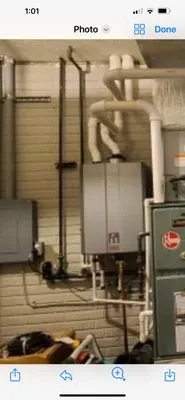
Brian Schmitt Heating and Cooling
Brian Schmitt Heating and Cooling is a family-owned HVAC and plumbing service provider serving Evansville, IN, and the surrounding tri-state area since 1958. With four generations of expertise, we spe...

New Gen Mechanical
New Gen Mechanical is a trusted, full-service contractor based in Linton, IN, dedicated to meeting the diverse home service needs of our local community. We specialize in HVAC, plumbing, electrical, a...
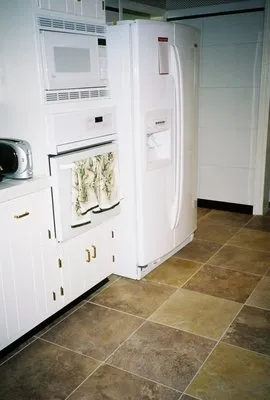
Leffler Remodeling in Washington, IN, brings decades of hands-on experience to every project. The business began with remodeling and house flipping, then expanded to building custom homes and managing...

Perfect Climate Heating, Air & Plumbing
For over 15 years, Perfect Climate Heating, Air & Plumbing has been a cornerstone of home comfort in Haubstadt. It all started in 2009 when owner Pat Gick, drawing on 24 years of industry experience, ...

Rent A Man, LLC provides reliable handyman and plumbing services for Evansville homes and businesses. With years of local experience, we specialize in a wide range of tasks from appliance installation...
Abc septic & drain
ABC Septic & Drain is Vincennes' trusted, full-service partner for plumbing and septic system care. As a locally owned and operated business, we understand the specific challenges Knox County homeowne...

Peters Construction is a trusted Vincennes-based contractor specializing in comprehensive plumbing and home repair services. With many local homes experiencing issues like old plumbing leaks and bathr...
HuntCanFixIt is your trusted, local handyman and repair service right here in New Pekin, IN. We tackle a wide range of home projects, from appliance and plumbing repairs to full-scale construction lik...
Knossos Contractor Grade is a family-owned and operated business serving Sullivan, Indiana, with comprehensive plumbing, HVAC/R, and electrical services. Founded and run by a father-son team, we are t...
Estimated Plumbing Costs in Bicknell, IN
Common Questions
My house in Downtown Bicknell was built around 1938 - should I be worried about the plumbing?
Galvanized steel pipes installed in 1938 are now 88 years old. At this age, homeowners in Downtown Bicknell often notice reduced water pressure from mineral buildup inside the pipes. You might see rust-colored water when taps are first turned on, or hear knocking sounds as water struggles through narrowed passages. The steel has likely thinned significantly, making it vulnerable to sudden failures.
How quickly can a plumber reach my home in Bicknell during an emergency?
From my shop near Bicknell Public Library, I take US-41 north or south depending on your location. Heading past the library on US-41 gets me to most Bicknell addresses within 45-60 minutes. I keep my truck stocked with common repair parts for older homes, so I can often handle the job in one visit without needing to make extra trips for materials.
Could the flat land around Bicknell be causing my drainage issues?
Bicknell's plain terrain means water doesn't naturally run off from your property. Around the library area and throughout town, flat lots can lead to standing water that puts constant pressure on your main sewer line. Over decades, this hydrostatic pressure can cause joint separation or pipe collapse. Proper grading away from your foundation and regular drain cleaning help manage this constant moisture exposure.
Does Bicknell's hard water damage my water heater?
Hard water from the White River watershed causes scale buildup that reduces water heater efficiency by up to 30% over time. Mineral deposits form on heating elements and tank interiors, forcing the unit to work harder and use more energy. You'll notice shorter hot water supply and higher utility bills. Annual flushing helps, but after 10-15 years, the accumulated scale often requires complete replacement.
What should I do before spring thaw to prevent plumbing problems?
Before temperatures rise above freezing, check all exposed pipes in crawl spaces and basements for existing cracks or weaknesses. Spring thaw brings temperature swings that stress old plumbing systems. Insulate pipes in unheated areas, and know where your main shutoff valve is located. If you have a history of pipe issues, consider having a professional pressure test done during a mild day in late winter.
Do I need permits for plumbing work on my older Bicknell home?
Knox County Building Department requires permits for most plumbing replacements or additions. As a master plumber licensed through the Indiana Professional Licensing Agency, I handle all permit applications and inspections for my clients. This ensures your 1938-era plumbing meets current codes without you navigating bureaucratic paperwork. Proper documentation also protects your home's value and insurance coverage.
As a rural homeowner near Bicknell, what plumbing systems need special attention?
Rural properties typically have private wells and septic systems that municipal homes don't manage. Well pumps and pressure tanks require regular maintenance, while septic systems need pumping every 3-5 years depending on household size. Unlike city water, well systems have no backup during outages, so keeping your pump in good condition is essential. I recommend annual checks of both systems before peak usage seasons.
Why do my old pipes keep springing pinhole leaks?
Galvanized steel pipes from 1938 develop pinhole leaks due to internal corrosion that eats through the pipe walls over decades. The zinc coating that once protected the steel has worn away, leaving bare iron exposed to water and minerals. These small leaks often appear first at threaded joints where dissimilar metals meet, or along horizontal runs where sediment collects and accelerates corrosion.
