Top Emergency Plumbers in Western, IL, 61240 | Compare & Call

There are 12 plumbing companies server in Western IL

Toland Inc. has been a trusted home services provider in Rushville since 1987, offering reliable HVAC, plumbing, and electrical solutions. As a licensed, bonded, and insured company, we specialize in ...
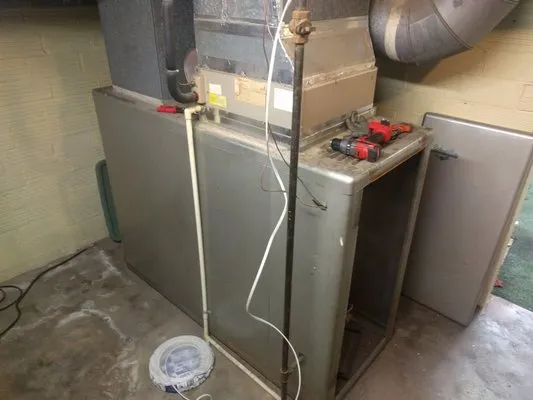
As your trusted local partner for home and property systems, EPH Service Co brings reliable, professional service to Macomb and the surrounding area. We are a fully licensed and insured team of friend...
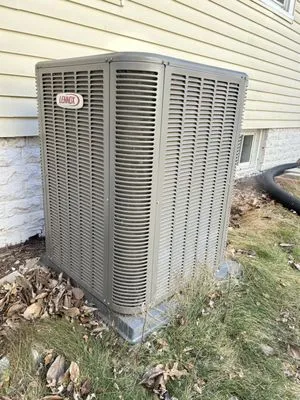
Hollister Electrical, Plumbing & Heating
Serving Macomb, Rushville, Mount Sterling, and surrounding areas since 1944, Hollister Electrical, Plumbing & Heating is your trusted local partner for home and business systems. We are a licensed, fu...
Timm Melvin Plumbing & Heating
Timm Melvin Plumbing & Heating is a trusted, locally-owned plumbing service dedicated to serving the Macomb, IL community. We specialize in comprehensive plumbing inspections to identify and prevent c...
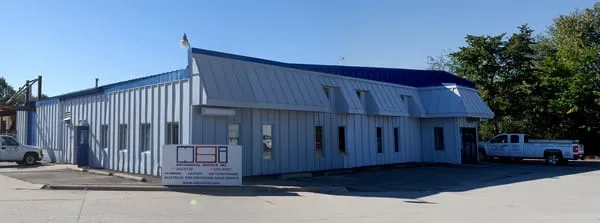
Mechanical Services
Mechanical Services in Galesburg, IL, is a family-owned mechanical contractor that has been serving the community since its incorporation in 1972. Originally formed as a joint venture between two esta...
Allenhouse Plumbing has been the trusted name for comprehensive plumbing services in Macomb, Illinois, for over a decade. We specialize in drain cleaning, sewer systems, pipe repair, and complete plum...
Corrigan Plumbing is your trusted local plumbing expert serving Ursa and the surrounding communities. As a family-owned and operated business, we understand the common plumbing frustrations faced by h...
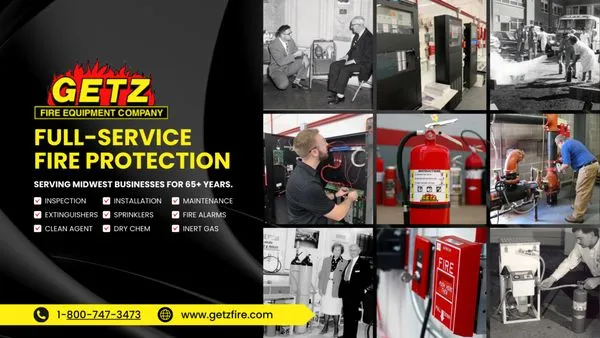
Getz Fire Equipment Company
Getz Fire Equipment Company, a trusted family-owned business in Quincy, has been the Midwest's partner in fire safety and specialized plumbing for over 65 years. Since 1957, our certified technicians ...

Economy Sewer Service provides essential plumbing inspection services to residents and businesses in Macomb, IL. We specialize in identifying and resolving the common local plumbing issues that plague...
G-M Mechanical of Macomb is a trusted, locally-owned plumbing and HVAC contractor serving the Macomb, IL, community. We specialize in professional plumbing inspections to proactively identify and addr...
Estimated Plumbing Costs in Western, IL
Common Questions
What should Western homeowners do before spring thaw to prevent plumbing problems?
Insulate exposed pipes in crawl spaces and basements before temperatures drop to 15°F. Check outdoor faucets for proper drainage to prevent freeze damage during cold snaps. Spring thaw brings increased groundwater pressure that can reveal existing weaknesses in older systems. A pre-thaw inspection of main water lines and well equipment helps identify vulnerabilities before they become emergencies.
How quickly can a plumber reach my Western property during an emergency?
Heading past Green River State Wildlife Area on I-88 provides the most direct route to Western Township Central. From that starting point, most service calls take 45-60 minutes depending on your exact location. We factor in rural road conditions and distance from major highways when estimating arrival times. Knowing the terrain helps us maintain realistic timelines for emergency responses.
Why do older Western homes with galvanized pipes keep getting leaks?
Galvanized steel pipes from the 1960s experience joint calcification and pinhole leaks as primary failure modes. The zinc coating that protects the steel eventually wears away, exposing the underlying metal to corrosion. Threaded connections where pipes join become weak points where scale buildup creates pressure differentials. These age-related failures often cluster in bathrooms and kitchens where water usage concentrates.
Does Western's hard well water damage my home's plumbing fixtures?
Hard water from private wells deposits mineral scale inside water heaters, faucets, and showerheads. This buildup reduces efficiency in tank-style water heaters by insulating heating elements from the water. Fixtures develop reduced flow as aerators and valve seats accumulate deposits. Over years, scale can completely block supply lines to individual fixtures, requiring replacement of affected components.
My Western home's pipes are from the 1960s - what should I expect at this age?
Galvanized steel pipes installed around 1960 are now 66 years old. Homeowners in Western Township Central often see reduced water pressure and rust-colored water first. The interior walls of these pipes accumulate mineral deposits and corrosion over decades, narrowing the flow path. Eventually, sections become so compromised they develop pinhole leaks or complete failures, typically starting at joints and threaded connections.
How does Western's flat terrain affect my home's drainage system?
The plain terrain around Green River State Wildlife Area creates minimal natural slope for drainage systems. This flat landscape requires precise grading around foundation drains to prevent water pooling. Main sewer lines experience different stress patterns than in hilly areas, with sediment settling more evenly along pipe runs. Proper slope maintenance becomes critical to prevent backups in low-lying sections of drainage systems.
Who handles permits for plumbing work in Henry County?
Henry County Building and Zoning Department oversees local permits while Illinois Department of Public Health regulations govern well and septic systems. As a licensed master plumber, I maintain current credentials with both agencies. This allows me to handle the red tape so you don't have to navigate bureaucratic requirements. Proper permitting ensures work meets code standards and protects your property value.
What plumbing issues are unique to rural Western properties with wells and septic?
Private wells and septic systems create maintenance responsibilities homeowners don't face with municipal services. Well pumps and pressure tanks require regular servicing to maintain consistent water pressure. Septic systems need periodic pumping and careful monitoring of what enters drains. The interconnection between well water quality and plumbing fixture longevity becomes more apparent in rural settings without water treatment plants.
