Top Emergency Plumbers in West Lincoln, IL, 62643 | Compare & Call

There are 53 plumbing companies server in West Lincoln IL
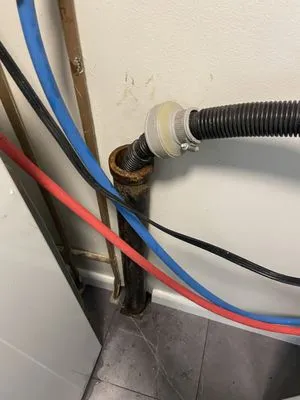
Elite Drain Cleaning began in 2012 as a part-time endeavor born from a founder's passion for tackling complex plumbing challenges. That hands-on dedication evolved into a full-time, year-round service...

For over 30 years, Handyman Plus has been the trusted local solution for homeowners and landlords in Champaign, IL. We manage, maintain, and construct projects of all sizes without the high overhead c...
May's Plumbing & Contracting
May's Plumbing & Contracting is your trusted local partner for plumbing and contracting needs in Bellflower, IL. Since 1998, we've built our reputation on reliable service for both residential and com...
Express Home Repair Handymen Service
Since 2002, Express Home Repair Handyman Service has been the locally owned and operated choice for homeowners and property managers in Champaign, IL. Founded and operated by Richard, we are a full-se...
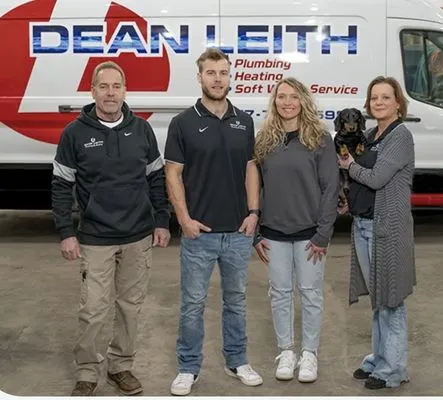
Dean Leith Plumbing is a trusted residential plumbing service in Lincoln, IL, dedicated to keeping local households running smoothly. We provide comprehensive plumbing repairs and updates, from fixing...
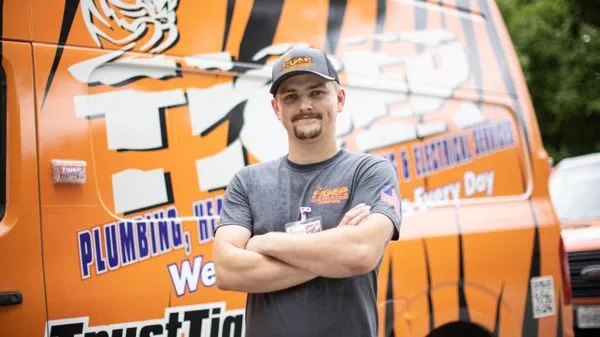
Tiger Plumbing, Heating, Air Conditioning, & Electrical Services
Tiger Plumbing, Heating, Air Conditioning, & Electrical Services is your trusted local provider for comprehensive home services in Springfield, IL. We specialize in plumbing, electrical, HVAC, and mor...
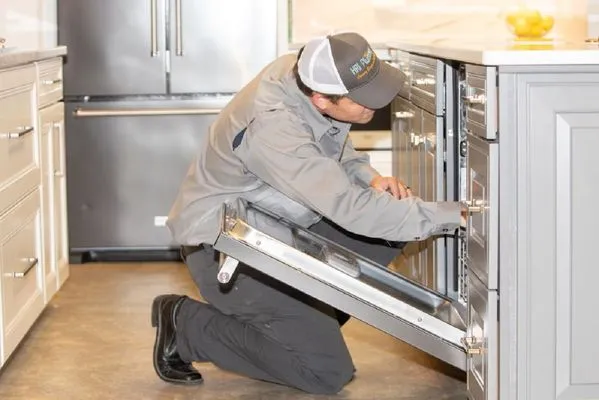
HRI Plumbing
HRI Plumbing is a licensed and certified plumbing contractor serving Springfield, Jacksonville, New Berlin, and Pleasant Plains, IL. Originally expanding from HVAC services, we now provide comprehensi...
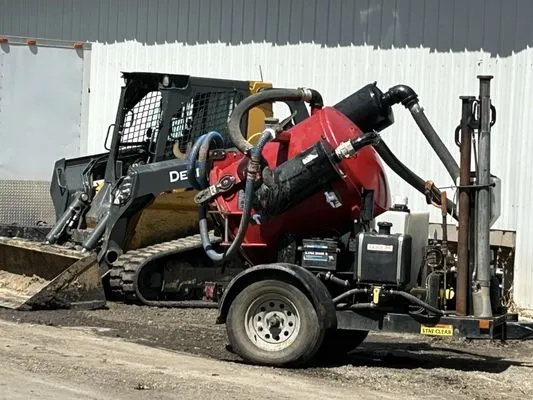
Jake Ray And Son's Sewer And Excavating
Jake Ray And Son's Sewer And Excavating is a trusted, family-owned plumbing and excavation contractor serving Springfield, IL, and the surrounding communities. With decades of combined experience, the...
At Smittys Do It All in Pekin, IL, we believe in being the reliable, go-to help for our neighbors. With over 20 years of hands-on experience, including 16 years as a union laborer, owner Smitty unders...
Ridings Plumbing is a trusted, locally owned Springfield plumbing company founded in 1996. Our team brings over a century of combined experience to every job, from a simple faucet repair to complex se...
Estimated Plumbing Costs in West Lincoln, IL
Frequently Asked Questions
How quickly can a plumber get to West Lincoln for an emergency?
From our base, a typical dispatch route heads past the Postville Courthouse State Historic Site to access I-55 northbound. That direct highway run allows us to cover the distance efficiently. You can expect a service vehicle at your door within that 30 to 45 minute window for urgent calls, barring unusual traffic or weather.
What permits are needed for a water heater replacement in West Lincoln?
The Lincoln Building and Safety Department requires a permit for water heater replacements to ensure the new installation meets current code, including proper venting and seismic straps. As a licensed master plumber, I carry the required Illinois Department of Public Health credentials. I handle pulling the permit, scheduling the inspection, and managing all that red tape so the process is seamless for you.
As a rural homeowner, what unique plumbing systems should I maintain?
Many homes in rural West Lincoln are on private wells and septic systems, not municipal water and sewer. This means you're responsible for the entire system, from the well pump and pressure tank to the septic tank and drain field. Regular septic pumping every 3-5 years and checking the well system's pressure switch and bladder tank are essential forms of maintenance for this setting.
Could the flat land around here be causing my slow drains?
The plain terrain around Postville Courthouse and throughout West Lincoln offers very little natural slope for drainage. If your home's main sewer line was installed with insufficient pitch, it can lead to chronic slow drains and sediment buildup as waste water doesn't flow away with enough force. This is a common issue we diagnose and correct with camera inspections.
Does our water from Lake Lincoln damage our appliances?
Lake Lincoln provides a reliable water source, but it is hard water, meaning it has a high mineral content. This leads to scale buildup inside water heaters, reducing efficiency and shortening their lifespan. You'll also see scaling on faucet aerators and showerheads, which restricts flow. A whole-house water softener is the standard recommendation here to protect your plumbing hardware.
Our West Lincoln home's water pressure keeps dropping. Could it be our old pipes?
Homes in Lincoln Center and West Lincoln built around 1957 have galvanized steel pipes that are now 69 years old. At this age, the interior walls have corroded and are coated with rust and mineral scale, which drastically reduces the internal diameter. This constriction is what causes the progressive loss of flow and pressure you're experiencing. It's a predictable failure point for the infrastructure of that era.
What's the best thing to do with my plumbing before a deep winter freeze?
While our low of 17°F is milder than some areas, the real risk comes during the rapid spring thaw. Water trapped in exterior hose bibs or poorly insulated crawl spaces can freeze and split pipes. A key pro-tip for this temperate climate is to disconnect garden hoses in the fall and ensure crawl space vents are closed before the first hard freeze to prevent cold air drafts on pipes.
Why do I keep finding small, rusty leaks in my basement pipes?
Galvanized steel from 1957 loses its protective zinc coating over decades. Once that happens, the underlying iron is exposed to water and oxygen, leading to accelerated corrosion. This often manifests as pinhole leaks, especially at threaded joints where the metal is thinnest. Joint calcification from hard water can also create stress points that crack and weep.
