Top Emergency Plumbers in West Chicago, IL, 60185 | Compare & Call

There are 239 plumbing companies server in West Chicago IL
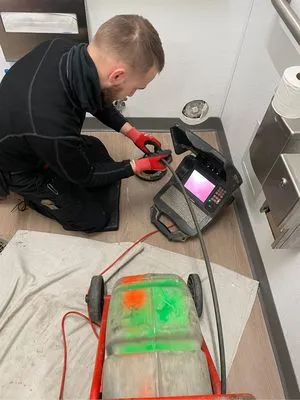
Rescue Plumbing
Rescue Plumbing has been a trusted, local plumbing service in Chicago since 2018. Founded by lifelong Chicagoland resident Benjamin Vance, our mission is rooted in integrity and building lasting relat...
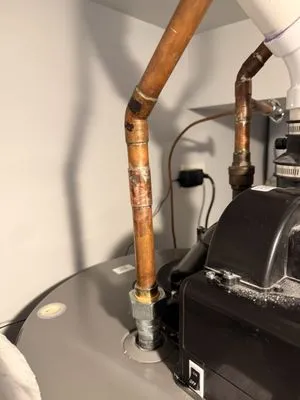
Mr. Rooter Plumbing - Morton Grove
Mr. Rooter Plumbing - Morton Grove is your local, trusted plumbing service in Morton Grove, IL. Founded in 1970 with a commitment to quality work and honest pricing, we bring decades of expertise to e...
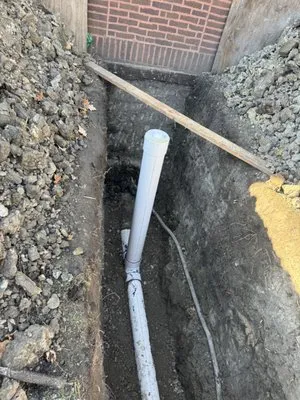
Midwest Hydro Jetting And Sewer Service is a Chicago Ridge plumbing company built on a foundation of local craftsmanship and customer-first service. Owner-operated from the start, our team is selected...

Sims & Sons Electric and Plumbing is a family-owned, licensed and bonded service company serving Chicago and its northern suburbs. Founded by Darrell Sims, who began working in electrical and plumbing...
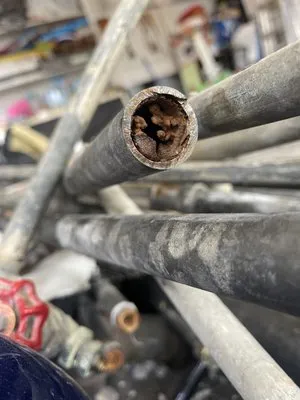
Zuniga's Plumbing is a trusted, full-service plumbing and heating company serving Chicago and its surrounding suburbs. With a deep-rooted history spanning over 50 years in the industry and a dedicated...
Chicago Sewer and Drain Professionals is a licensed plumbing service based in North Riverside, IL, dedicated to providing reliable and affordable sewer and drain solutions for homeowners throughout th...

Bates Plumbing has been serving Lombard and surrounding communities for over 30 years as a licensed plumbing service. Owner and operator Mike leads a team that specializes in comprehensive residential...
Rescue Plumbing
Rescue Plumbing is a Chicago-based plumbing company founded in 2018 by lifelong Chicagoland resident Benjamin Vance. With a focus on integrity and customer-oriented service, we've built a trusted repu...

Preferred Professional Plumbing is a trusted, locally-owned plumbing service in Lombard, IL, with a team of certified professionals bringing over 30 years of combined experience to every job. We provi...
AquaPro Plumbing is a fully licensed plumbing contractor serving Hoffman Estates, IL, and the surrounding area. We offer a wide range of residential and commercial plumbing, sewer, and hydro-jetting s...
Estimated Plumbing Costs in West Chicago, IL
Common Questions
I need to replace my water heater. Do I need a permit from the city, and is that complicated?
Yes, a permit from West Chicago Building and Code Enforcement is required for a water heater replacement. The process involves an inspection to ensure proper installation, venting, and seismic strapping. As a licensed master plumber, I handle that red tape directly. My work is done to code, and I coordinate the inspection with my Illinois Department of Public Health credentials, so you don't have to manage the paperwork or schedule.
How quickly can a plumber get to my house in West Chicago if I have a burst pipe?
My typical dispatch route has me heading past Reed-Keppler Park to catch I-88, which provides a direct artery through the community. From there, I can reach most West Chicago addresses within 30 to 45 minutes, traffic permitting. I plan routes to avoid local congestion, so you can expect a prompt arrival to stop the water and assess the damage without unnecessary delay.
I keep hearing a ticking noise in my walls when I use hot water. What's causing that?
That ticking is usually thermal expansion in 45-year-old copper pipes. As the pipe heats up, it expands and rubs against the holes in your home's wooden framing, which have gotten tighter over decades. More critically, copper from that era is now prone to pinhole leaks, especially at soldered joints that have become brittle. The constant hot-cold cycles and mineral scale from our water accelerate this fatigue.
Our house was built in the early 80s, and we're seeing more plumbing issues. Is this just bad luck, or is there a pattern?
Homes built around 1981 are now 45 years old. For copper plumbing, this is a critical age. In Downtown West Chicago, we're seeing a predictable pattern where the original copper pipe walls have thinned from decades of West Chicago's hard water flowing through them. Homeowners often call me when they discover their first pinhole leak in a basement ceiling or behind a wall. It's not bad luck; it's the expected service life of that generation of pipe reaching its end.
Why does my showerhead clog with white crust so fast, and is it damaging my water heater?
That white crust is limescale from our deep aquifer well water, which is very hard. The minerals solidify on any surface, especially inside fixtures and the tank of your water heater. Over time, this scale buildup acts as an insulator on the heater's elements, forcing it to work harder and fail prematurely. It also drastically reduces flow in showerheads and faucet aerators, which need regular cleaning or replacement.
Could the flat land around here be causing my slow basement drains?
West Chicago's plain terrain, like the area around Reed-Keppler Park, offers very little natural slope for drainage. This can put static pressure on your main sewer line, as effluent has to be pushed rather than relying on gravity. Over years, this constant pressure can lead to sagging sections in the line where waste collects, eventually causing repeated clogs and slow drains that require professional snaking or jetting.
What's one thing I should do every spring to avoid a major plumbing headache?
Before the spring thaw fully hits, make a point to inspect the exterior hose bibs and your home's main water shut-off valve. Our winters with lows around 15°F can cause ground shifts that stress pipe connections. A slow drip from a bib or a stiff shut-off valve discovered in calm weather is a simple fix. Finding it during the peak thaw, when water pressure can fluctuate, often turns it into an emergency repair.
As a suburban homeowner, what's the most common plumbing issue I should watch for?
Keep an eye on your main sewer lateral, the pipe connecting your home to the municipal line. In our established suburban neighborhoods, tree roots are often the culprit. They seek out moisture and can infiltrate the joints of older lines, causing blockages that back up into basements. A telltale sign is multiple drains gurgling or backing up simultaneously, especially when you run a washing machine.
