Top Emergency Plumbers in Washburn, IL, 61570 | Compare & Call

There are 20 plumbing companies server in Washburn IL
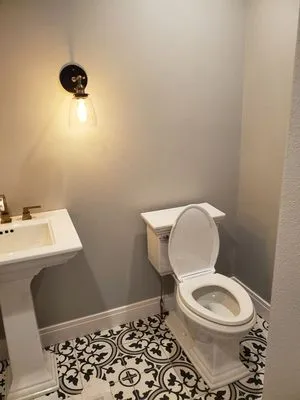
R Maquet Plumbing is your trusted local plumbing expert serving Pekin, IL and surrounding areas. With years of experience, we provide comprehensive plumbing solutions including drain installation and ...
Tiger Plumbing, Heating, Air Conditioning, & Electrical Services
Tiger Plumbing, Heating, Air Conditioning, & Electrical Services is a trusted local provider in Peoria, IL, dedicated to addressing the full range of home system needs. From fixing a leaky faucet and ...

At Smittys Do It All in Pekin, IL, we believe in being the reliable, go-to help for our neighbors. With over 20 years of hands-on experience, including 16 years as a union laborer, owner Smitty unders...
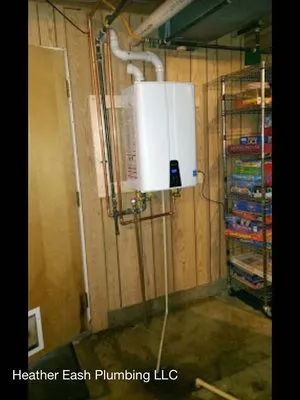
Heather Eash Plumbing
Heather Eash Plumbing is a trusted, woman-owned and operated plumbing contractor serving Peoria and the surrounding communities. As a licensed professional, Heather focuses on providing reliable resid...
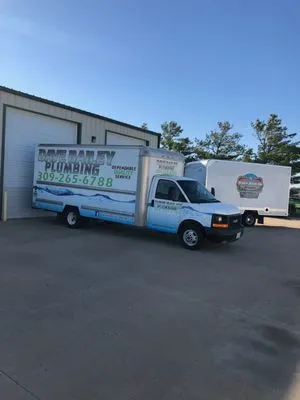
Bailey Plumbing Co. is a trusted plumbing and water-softening provider serving Morton, IL, and the surrounding communities of East Peoria, Pekin, Peoria, Metamora, Tremont, Dunlap, and Washington. Fou...
Derek Bell Plumbing
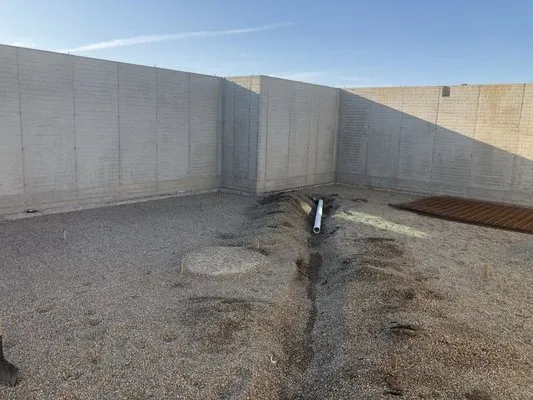
Derek Bell Plumbing is a trusted, licensed, and insured plumbing company serving Green Valley, IL, and the broader Central Illinois region for over a decade. We handle plumbing projects of all scopes,...
Five Star Bath Solutions
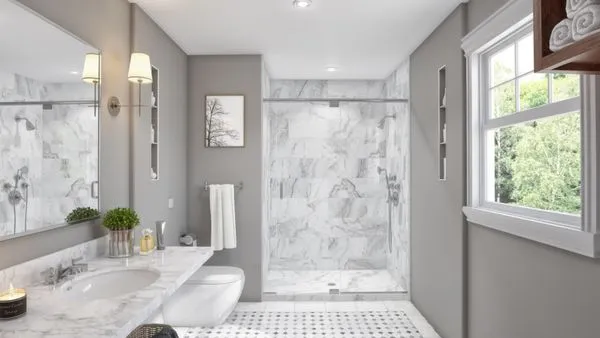
Five Star Bath Solutions is a trusted, local plumbing and remodeling service in Springfield, IL, dedicated to providing reliable solutions for your home. We specialize in a comprehensive range of serv...

Mr. Rooter Plumbing of Peoria brings reliable plumbing service to our Central Illinois neighbors. Founded in 1970 by David Duck, who remains a franchise owner today, the Mr. Rooter brand was built on ...
Busy Beez in Pekin, IL is a locally owned and operated handyman and remodeling service founded on a genuine passion for helping people restore and improve their homes. What began as a personal drive t...

360 Property Services is your go-to local resource for a wide range of home maintenance and property solutions in Peoria, IL. We specialize in comprehensive handyman repairs, from fixing leaky faucets...
Estimated Plumbing Costs in Washburn, IL
Question Answers
What permits are needed for a water heater replacement or repipe job in Woodford County?
The Woodford County Zoning and Building Department requires permits for water heater replacements and any major piping changes. As a licensed Master Plumber, I pull those permits as part of the job. I also ensure the work meets Illinois Department of Public Health codes, particularly for potable water systems and backflow prevention on private wells. Handling that red tape is a standard part of my service so homeowners don't have to navigate it.
What's the most important spring plumbing maintenance for a Washburn home?
Before the spring thaw hits its peak, make sure your exterior hose bibs are completely drained and the shut-off valves inside are closed. The 17-degree winter lows we see can still cause a late frost. Thawing ground can shift foundation pipes, so check for new damp spots in your basement or crawlspace. It's a good time to inspect your pressure tank and well equipment for any issues that went unnoticed over the winter.
Does hard water from a private well damage plumbing fixtures?
Yes, the mineral content in local well water leads to significant scale buildup. Inside water heaters, this scale acts as an insulator on the heating elements, forcing them to work harder and fail prematurely. On faucet cartridges and shower valves, the scaling grit wears out seals and restricts movement, causing drips and handle stiffness. A whole-house water softener is often recommended here to protect the home's entire plumbing system.
Could the flat land around here cause drainage problems for my main sewer line?
The plain terrain around Washburn Village Park means there's very little natural slope for drainage. If your main sewer line wasn't installed with a precise, consistent grade, waste can pool in low sections and cause recurring clogs. Over time, this standing water accelerates corrosion in old cast iron lines. It also means that during heavy rains, saturated ground can put lateral pressure on buried pipes, potentially causing misaligned joints.
Are there special considerations for plumbing in a rural area like ours?
Working with private wells and septic systems changes the dynamic. Well pump and pressure tank issues are common, and water quality directly affects appliance longevity. Septic system health is critical; a failed leach field is a major repair. There's no municipal water pressure to blame or rely on, so diagnosis often starts at the wellhead and pressure tank before moving to the house fixtures.
How long does it take for a plumber to get to Washburn for an emergency call?
My dispatch route starts from the shop near Washburn Village Park. Heading out on Illinois Route 89 is the main artery to most calls. For a true water-off emergency, I can typically be on-site within 45 to 60 minutes, depending on the specific location off 89 and current road conditions. I keep trucks stocked for common failures in older homes to minimize that on-site diagnostic time.
My house in Downtown Washburn was built in the 1940s. Should I be worried about my plumbing?
Given the 2026 calendar year, homes built around 1941 now have 85-year-old galvanized steel supply lines. In Downtown Washburn, we're seeing the end of that lifespan manifest as pervasive internal rust scale buildup. This drastically reduces water pressure at fixtures and makes pipes brittle. The steel is actively failing now, with sections corroding through and causing leaks, especially at threaded joints.
Why do my galvanized pipes keep springing pinhole leaks?
Galvanized steel installed in 1941 has a protective zinc coating that wore off decades ago. The remaining bare iron pipe reacts with oxygen and minerals in well water, corroding from the inside out. This creates thin spots that eventually perforate, causing pinhole leaks. The corrosion also creates heavy internal scale that can suddenly break loose and block water flow, stressing old joints.
