Top Emergency Plumbers in Virden, IL, 62690 | Compare & Call

There are 23 plumbing companies server in Virden IL
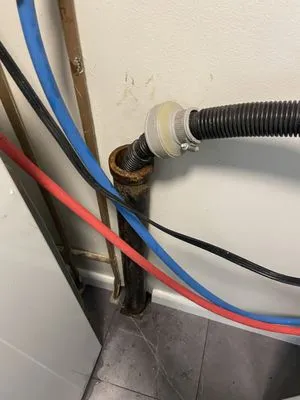
Elite Drain Cleaning began in 2012 as a part-time endeavor born from a founder's passion for tackling complex plumbing challenges. That hands-on dedication evolved into a full-time, year-round service...
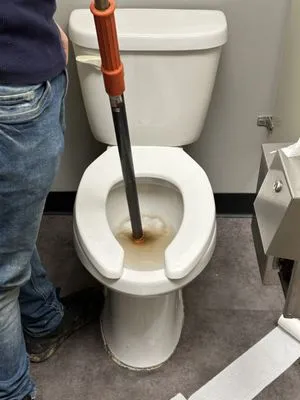
Ray's Plumbing & Sewer Service
Ray's Plumbing & Sewer Service has been a trusted name in Springfield, IL, since 1987. Founded as a partnership focusing on sewer installation and drain cleaning, the business was re-established in 19...
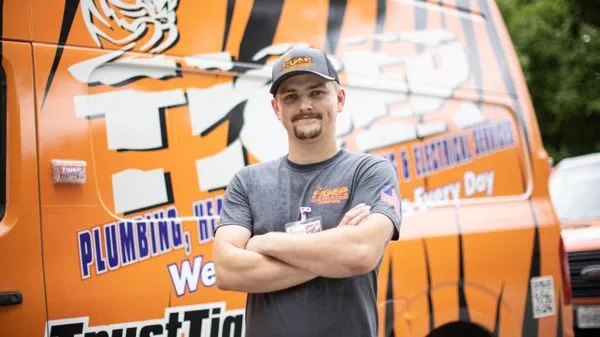
Tiger Plumbing, Heating, Air Conditioning, & Electrical Services
Tiger Plumbing, Heating, Air Conditioning, & Electrical Services is your trusted local provider for comprehensive home services in Springfield, IL. We specialize in plumbing, electrical, HVAC, and mor...
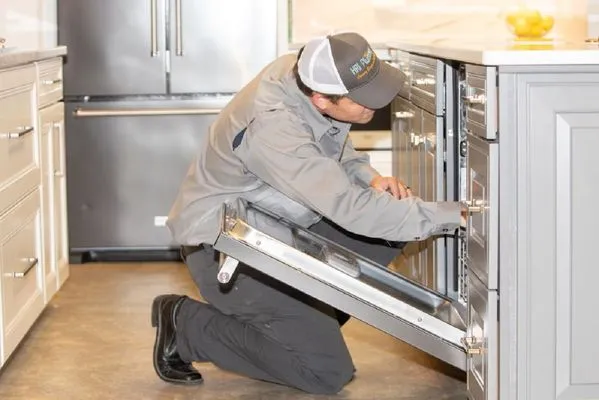
HRI Plumbing
HRI Plumbing is a licensed and certified plumbing contractor serving Springfield, Jacksonville, New Berlin, and Pleasant Plains, IL. Originally expanding from HVAC services, we now provide comprehensi...
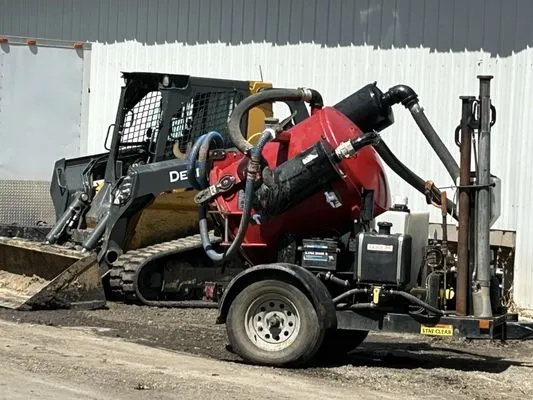
Jake Ray And Son's Sewer And Excavating
Jake Ray And Son's Sewer And Excavating is a trusted, family-owned plumbing and excavation contractor serving Springfield, IL, and the surrounding communities. With decades of combined experience, the...

At Smittys Do It All in Pekin, IL, we believe in being the reliable, go-to help for our neighbors. With over 20 years of hands-on experience, including 16 years as a union laborer, owner Smitty unders...
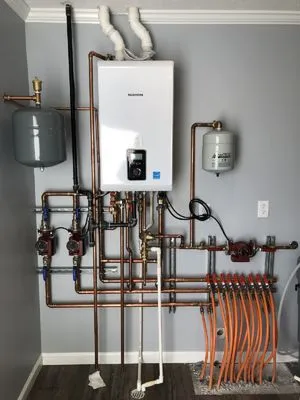
Since 1974, Snell Plumbing & Heating has been a trusted, family-owned fixture in Virden, IL. Our team of expert plumbers and HVAC technicians is dedicated to solving your home's plumbing and heating c...

Rick Ray and Sons Plumbing
Rick Ray and Sons Plumbing is a trusted, family-operated plumbing and excavation service proudly serving Springfield, IL, and the surrounding communities. Founded in 1974, they bring over five decades...
Easterday Plumbing
Easterday Plumbing has been a trusted local plumbing provider in Springfield, IL, since 1991. As a licensed, bonded, and insured company, we offer reliable 24-hour emergency services and same-day appo...
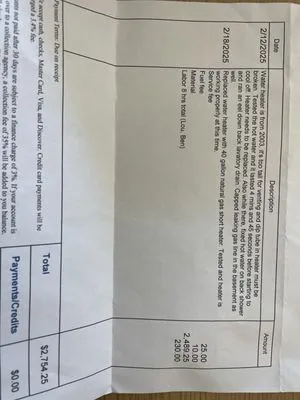
Ridings Plumbing is a trusted, locally owned Springfield plumbing company founded in 1996. Our team brings over a century of combined experience to every job, from a simple faucet repair to complex se...
Estimated Plumbing Costs in Virden, IL
Frequently Asked Questions
Should I worry about frozen pipes during Virden winters?
With temperatures dropping to 18°F, uninsulated pipes in crawl spaces or exterior walls can freeze. A pro-tip for this temperate climate is to disconnect garden hoses before the first hard freeze and let faucets drip slightly during extreme cold snaps. Spring thaw brings its own concerns as ground shifting can stress older pipe connections. Insulating exposed pipes provides year-round protection.
Does Virden's hard water damage plumbing fixtures?
Virden Municipal Water Supply contains minerals that create scale buildup inside pipes and appliances. Water heaters accumulate sediment that reduces efficiency and can cause premature tank failure. Fixtures develop mineral deposits around aerators and valves, restricting flow. Installing a water softener or using dielectric unions between dissimilar metals helps mitigate these effects.
Could Virden's flat landscape cause drainage issues?
Plain terrain around Virden Square creates minimal natural slope for water runoff. During heavy rains, water pools near foundations instead of draining away, increasing hydrostatic pressure on basement walls and floor drains. This constant moisture exposure accelerates corrosion in buried pipe sections. Proper grading away from the house and functional downspout extensions help manage these conditions.
How quickly can a plumber reach my home in Virden?
Heading past Virden Square on Illinois Route 4, our dispatch route covers most residential areas within 45-60 minutes. We prioritize emergency calls and maintain real-time traffic awareness for efficient routing. This timeframe accounts for local road conditions while ensuring we arrive prepared with appropriate tools and parts.
Do rural Virden properties need different plumbing considerations?
Properties outside municipal boundaries often rely on wells and septic systems. Well pumps require regular maintenance, and hard water from private wells accelerates scale buildup. Septic systems need periodic pumping every 3-5 years to prevent backups into household drains. Pressure tanks and water treatment equipment require specific expertise that differs from city water system maintenance.
Why are so many Virden homes having plumbing problems lately?
Galvanized steel pipes installed around 1955 are now 71 years old. Homeowners in Virden City Center are seeing rust-colored water, reduced pressure, and frequent leaks as the interior zinc coating has worn away. This corrosion accelerates after 60-70 years, causing internal buildup that restricts flow. Many original systems from that era are reaching their functional lifespan simultaneously.
Who handles permits for plumbing work in Virden?
I coordinate directly with the Virden Building and Zoning Department for all required permits and inspections. My Illinois Department of Public Health credentials ensure work meets state plumbing code standards. This includes pressure tests, material approvals, and final inspections. Handling this red tape means homeowners avoid paperwork delays and ensure their investment complies with local regulations.
What causes those small leaks in older Virden home pipes?
Galvanized steel pipes from 1955 often develop pinhole leaks due to internal corrosion where the zinc coating has failed. Joint calcification also occurs where threaded connections accumulate mineral deposits, creating weak points. These failures typically start in low-flow areas like behind walls or under floors, where water sits longer against compromised metal.
