Top Emergency Plumbers in Valmeyer, IL, 62295 | Compare & Call

There are 107 plumbing companies server in Valmeyer IL
FS Plumbing is a trusted, locally-owned plumbing service based right in St. Peters, MO. We specialize in providing reliable residential plumbing solutions, from urgent repairs to planned installations...
Express Services Plumbing is your trusted, local plumbing expert serving Creve Coeur, MO, and the surrounding areas. We understand the unique challenges homeowners face here, from basement flooding du...
Ramblewood Plumbing is a locally owned and fully licensed plumbing company serving Dittmer, MO, and the surrounding area. Founded by a master plumber with over two decades of hands-on experience, we s...
Ace Heating and Cooling and Plumbing Services
Ace Heating and Cooling and Plumbing Services is a locally owned and operated business serving Dittmer, MO, and surrounding areas with over 20 years of experience. We provide reliable residential and ...
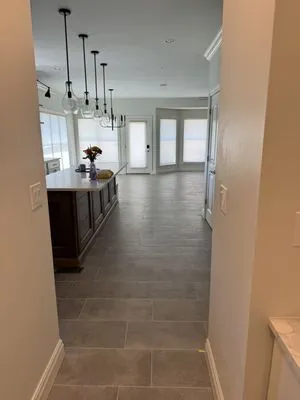
Cudgel Maintenance & Handyman Services
Cudgel Maintenance & Handyman Services is a family-owned home services company founded by brothers Adam and Andy in St. Louis County. Built on a mission of honesty, hard work, integrity, great service...
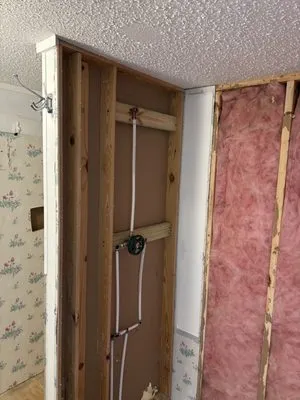
Parker's Plumbing
Parker's Plumbing is a family-owned plumbing service in Pacific, MO, with over 7 years of experience serving the local community. Founded by a plumber who comes from a long line of plumbing profession...
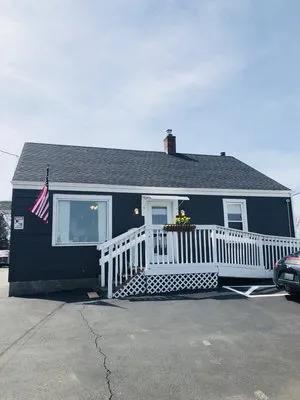
McCartney Plumbing is a trusted, family-owned plumbing service serving Saint Charles, MO, and the surrounding communities. We provide comprehensive solutions for homeowners, from routine faucet repair...
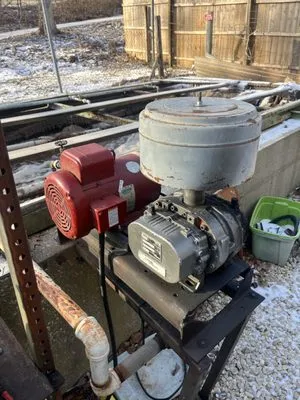
For over a decade, Sewage Pump Solutions has been the trusted local provider for De Soto, MO, offering a complete range of plumbing and septic system services. We combine extensive knowledge with prac...
3D Plumbing
3D Plumbing is your trusted, local plumbing specialist serving Chesterfield, MO, and the surrounding areas. We understand that many homes in our community face common plumbing challenges, such as pipe...

ABC Plumbing & Services is a family-owned and operated plumbing business serving Grubville, MO, and the surrounding region for over 20 years. As a fully licensed plumber in St. Louis City and County, ...
Estimated Plumbing Costs in Valmeyer, IL
Question Answers
What permits are needed for a water heater replacement in Monroe County?
Any water heater replacement requires a permit from the Monroe County Building and Zoning Department, as it must comply with Illinois Department of Public Health codes for pressure relief and seismic strapping. As a licensed master plumber, I pull these permits, schedule the inspections, and handle all the red tape. This ensures the work is documented correctly for your home's records and that the installation meets all current safety standards, protecting your investment.
Why are my copper pipes suddenly developing so many leaks?
Copper installed in 2001 is often failing from the inside out due to a process called pitting corrosion. Our hard Mississippi River water, with its specific mineral content, accelerates this. Over 25 years, microscopic pits deepen until they penetrate the pipe wall, causing pinhole leaks. These frequently appear on horizontal runs or at joints, and once one appears, others in the system are often not far behind, indicating a system-wide aging issue.
What's the most important thing to do for my plumbing before a Valmeyer winter?
The key is acting before the first hard freeze, which can dip to 21°F here. Isolate and drain any exterior hose bibs and irrigation lines. For crawl spaces, ensure vents are closed to keep pipes above freezing. A pro-tip specific to our temperate climate is to pay extra attention to pipes in north-facing walls or unheated additions during the spring thaw; residual ice can still block lines and cause bursts even as air temperatures rise.
How long does it take for a plumber to get to Valmeyer from a nearby town?
A local, experienced plumber knows the quickest routes. Heading past Valmeyer Borsch Park onto IL-156 is the main artery into most neighborhoods. From there, it's about navigating the local streets. For a true emergency, we plan for a 45 to 60 minute dispatch window to account for traffic and gathering the right parts from the truck. That timeline is based on moving efficiently from the moment you call.
Could the hilly land around Valmeyer Borsch Park be causing my drainage problems?
Yes, the slope of the land directly impacts your home's drainage. In hilly areas, the main sewer line from your house to the street is under constant gravitational stress, which can lead to joint separation or sagging over time. Furthermore, surface water runoff during heavy rains follows the terrain, potentially saturating the soil around your foundation and putting pressure on basement drains or exterior cleanouts, making backups more likely during peak flow.
My house in Valmeyer was built around 2001. What kind of plumbing issues should I expect now?
Homes built around 2001 are now 25 years old, which is a critical age for their original copper plumbing systems. In neighborhoods like Valmeyer Village Center, we're seeing the first wave of predictable failures. You'll likely notice small, persistent drips from pinhole leaks, especially at soldered joints that have endured decades of our area's hard water. This isn't a sign of neglect; it's simply the material reaching the end of its expected service life for the conditions here.
Are there special plumbing considerations for a rural Valmeyer home?
Rural Valmeyer properties often rely on private wells and septic systems, which municipal plumbers might not service. Well pumps, pressure tanks, and their associated components require specific expertise. Septic system maintenance, including inspecting the inlet baffle and managing what goes down the drains, is crucial to prevent costly field failures. Understanding the interplay between your well's output and your home's water usage is a fundamental part of plumbing here.
Does Valmeyer's hard water damage water heaters or fixtures?
Absolutely. The mineral content in our Mississippi River-sourced water leads to heavy scale buildup. Inside your water heater, this scale acts like an insulating blanket on the heating elements, forcing them to work harder and fail prematurely. On fixtures, scale clogs aerators and cartridge valves, reducing flow and pressure. Over years, this constant abrasion and restriction is the primary cause of fixture failure here, not normal wear and tear.
