Top Emergency Plumbers in Squaw Grove, IL, 60115 | Compare & Call

There are 208 plumbing companies server in Squaw Grove IL
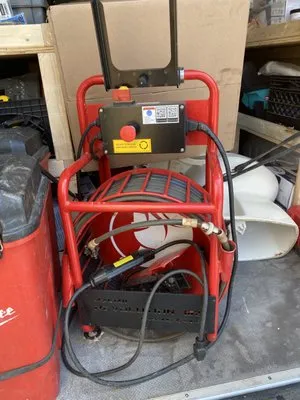
Wally Blanton Plumbing and Sewer
Wally Blanton Plumbing and Sewer is a trusted, licensed provider serving Kenosha, WI, and the wider Chicago-Land area. We offer comprehensive plumbing and sewer solutions for both homes and businesses...

For over 25 years, Keith and Son Excavating has been a trusted, family-run partner for homeowners and builders across Bristol, WI, and the greater southeastern Wisconsin and northeastern Illinois regi...
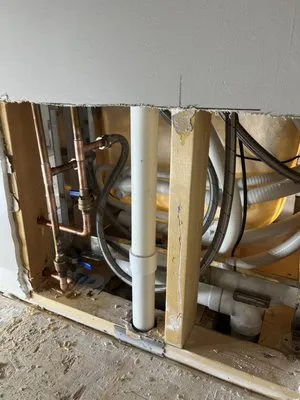
Keefe & Co Plumbing is a family-owned and operated plumbing service based in Twin Lakes, WI, with full licensing and insurance in Illinois. Founded by John Keefe, a 4th generation union plumber with o...
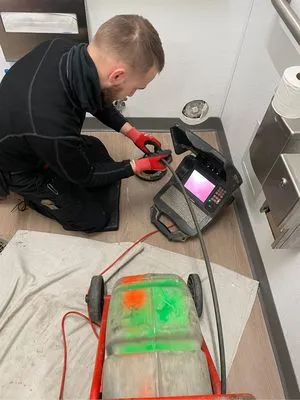
Rescue Plumbing
Rescue Plumbing has been a trusted, local plumbing service in Chicago since 2018. Founded by lifelong Chicagoland resident Benjamin Vance, our mission is rooted in integrity and building lasting relat...
Rescue Plumbing
Rescue Plumbing is a Chicago-based plumbing company founded in 2018 by lifelong Chicagoland resident Benjamin Vance. With a focus on integrity and customer-oriented service, we've built a trusted repu...
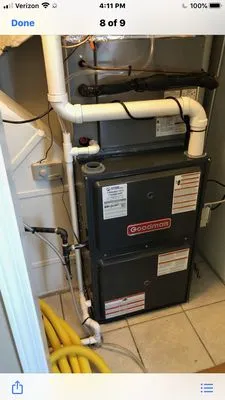
Goode Plumbing
Goode Plumbing has been serving Chicago residents and businesses since 2006, founded by Michael Goode who brings over three decades of plumbing experience to every job. Starting his career in 1993, Mi...
Arrow Plumbing, Heating & Air Conditioning
Arrow Plumbing, Heating & Air Conditioning is a family-owned business that has been a trusted name in Libertyville and Lake County since 1996. Founded on a commitment to unwavering ethics and quality ...
Andersen Plumbing & Heating
Andersen Plumbing & Heating has been serving Aurora homeowners since 1985, originally as Johannessen Plumbing & Heating before Chad Andersen purchased the business in 2011. With nearly 20 years of lic...
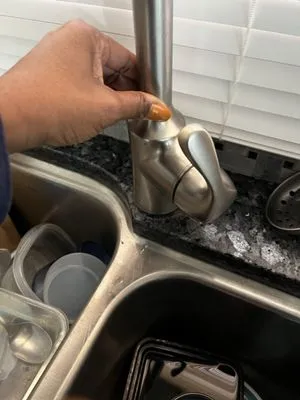
D & L Sewer Service is a family-owned plumbing and sewer company serving Elmhurst, IL, and the greater Chicago area since 1991. Founded by Dennis D. Lanthorn, we provide reliable, cost-effective solut...

Precision Today Plumbing Heating Cooling Electrical
Precision Today Plumbing, Heating, Cooling, Electrical has been a trusted name in Franklin Park and the Chicagoland area since 1926. With a team of licensed technicians averaging over 30 years of expe...
Estimated Plumbing Costs in Squaw Grove, IL
Question Answers
Do I need a permit to replace my water heater or repipe my house?
Most substantial plumbing work in DeKalb County requires a permit from the Planning, Zoning and Building Department, and well work falls under Illinois Department of Public Health codes. As a licensed master plumber, I pull those permits, schedule the inspections, and ensure the work meets all current codes. Handling that red tape is part of the job, so you don't have to navigate it yourself.
Why do my copper pipes keep springing small leaks?
Copper installed in 1975 is prone to pinhole leaks from internal corrosion, a process accelerated by our local water. Over five decades, the protective oxide layer inside the pipe can break down, especially at solder joints and elbows where turbulence occurs. This isn't a defect in your specific plumbing; it's a systemic age-related failure we see throughout the county.
Does having a private well with hard water damage my plumbing?
Yes, the mineral content from private wells leads to significant scale buildup. Inside your water heater, this scale acts as an insulator, forcing the unit to work harder and fail sooner. On faucet cartridges and valve seats, the abrasive scale causes premature wear and leaks. A properly sized whole-house water softener is not a luxury here; it's essential maintenance to protect your investment.
Our house has original copper pipes from the 70s. Should I be worried about them failing soon?
Homes built around 1975 with original copper plumbing are now 51 years old. In the Hinckley-Big Rock Center area, we're seeing a predictable pattern of pinhole leaks and joint fatigue as this material reaches the end of its service life. The thin-wall copper used then, combined with decades of water chemistry from private wells, accelerates this wear. It's not an immediate panic, but a planned replacement is often more cost-effective than repeated emergency repairs.
Are there special plumbing considerations for a rural home with a well and septic system?
Absolutely. Your well pump, pressure tank, and septic system form a closed loop. A running toilet or a leaky faucet can overwork the well pump and prematurely fill the septic drain field. We always check the entire system, not just the leak, because a symptom in the house often points to stress on the well or septic components outside.
What's the most important thing to do before winter to prevent frozen pipes?
The key is action before our average low of 14°F hits. Disconnect and drain all outdoor hoses, and shut off the interior valve to exterior spigots, letting them drain. Insulate pipes in unheated spaces like crawl spaces. The spring thaw can be just as problematic, as ground shifting may stress already aged pipes, so a post-thaw inspection for leaks is a wise habit.
Could the flat land around here be causing my drainage problems?
The plain terrain near Squaw Grove Forest Preserve lacks the natural slope for optimal drainage. During heavy rain or rapid snowmelt, water can pool around your foundation, putting hydrostatic pressure on basement walls and floor drains. This same settling can also stress the main sewer line exiting your home, leading to bellies or low spots where debris collects and causes backups.
How fast can a plumber get to my home if I have a major leak in Squaw Grove?
From our base of operations, a dispatch route typically heads past the Squaw Grove Forest Preserve onto US-30. This main artery provides reliable access, but given the rural spread of homes, a 45 to 60 minute arrival window is standard for an emergency call. We factor in local traffic and turn-off times to give you an accurate ETA once you call.
