Top Emergency Plumbers in South Elgin, IL, 60120 | Compare & Call

There are 238 plumbing companies server in South Elgin IL

Bassett Plumbing
Bassett Plumbing is your trusted Twin Lakes plumber, dedicated to solving the common plumbing issues faced by local homeowners. We specialize in addressing pipe joint and old pipe leaks that can disru...
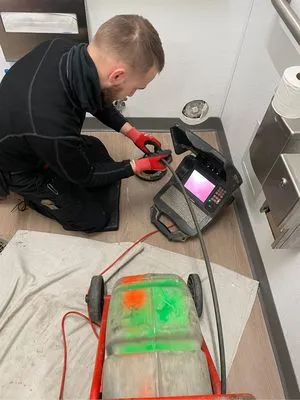
Rescue Plumbing
Rescue Plumbing has been a trusted, local plumbing service in Chicago since 2018. Founded by lifelong Chicagoland resident Benjamin Vance, our mission is rooted in integrity and building lasting relat...
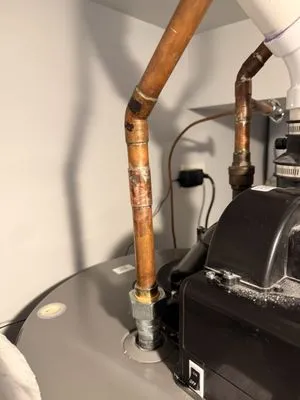
Mr. Rooter Plumbing - Morton Grove
Mr. Rooter Plumbing - Morton Grove is your local, trusted plumbing service in Morton Grove, IL. Founded in 1970 with a commitment to quality work and honest pricing, we bring decades of expertise to e...
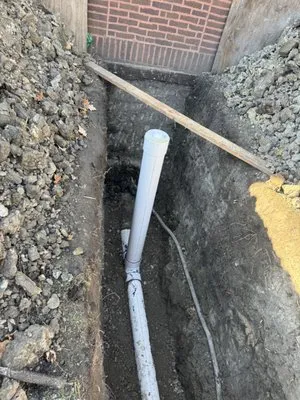
Midwest Hydro Jetting And Sewer Service is a Chicago Ridge plumbing company built on a foundation of local craftsmanship and customer-first service. Owner-operated from the start, our team is selected...

Sims & Sons Electric and Plumbing is a family-owned, licensed and bonded service company serving Chicago and its northern suburbs. Founded by Darrell Sims, who began working in electrical and plumbing...
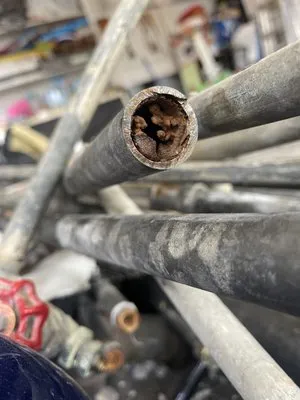
Zuniga's Plumbing is a trusted, full-service plumbing and heating company serving Chicago and its surrounding suburbs. With a deep-rooted history spanning over 50 years in the industry and a dedicated...
Chicago Sewer and Drain Professionals is a licensed plumbing service based in North Riverside, IL, dedicated to providing reliable and affordable sewer and drain solutions for homeowners throughout th...
DiFoggio Plumbing has been serving Chicago's plumbing needs for over a century, building a reputation for reliable service across residential, commercial, and industrial projects. As a union-affiliate...
Rescue Plumbing
Rescue Plumbing is a Chicago-based plumbing company founded in 2018 by lifelong Chicagoland resident Benjamin Vance. With a focus on integrity and customer-oriented service, we've built a trusted repu...

Preferred Professional Plumbing is a trusted, locally-owned plumbing service in Lombard, IL, with a team of certified professionals bringing over 30 years of combined experience to every job. We provi...
Estimated Plumbing Costs in South Elgin, IL
Questions and Answers
Does Fox River water damage my plumbing fixtures?
The Fox River contributes to our hard water, which causes scale buildup throughout your plumbing system. Water heaters suffer most - sediment accumulation reduces efficiency by 20-30% and shortens tank life. Fixtures develop reduced flow as aerators clog with mineral deposits. Installing a whole-house water softener can extend appliance life by 5-7 years and maintain proper water pressure throughout your home.
How quickly can a plumber reach my South Elgin home in an emergency?
Heading past Pantano Park on IL-31 gets me to most South Elgin addresses within 20-30 minutes. That route avoids downtown congestion while maintaining access to the neighborhoods. For true emergencies like burst pipes, I keep a dedicated truck stocked with common repair parts for 1990s copper systems. The key is calling immediately when you notice water - every minute counts with plumbing emergencies.
Could my home's location near Pantano Park affect my main sewer line?
The relatively flat terrain around Pantano Park creates drainage challenges during heavy rains. Water tends to pool rather than run off, which can put hydrostatic pressure on your main sewer line. Over years, this constant pressure causes joint separation or pipe sagging. I recommend having your main line camera inspected every 5 years if you're in this drainage basin. Proper grading around your foundation also helps relieve this pressure.
Who handles permits and inspections for plumbing work in South Elgin?
I coordinate directly with the South Elgin Community Development Department for all required permits and inspections. As a licensed master plumber with Illinois Department of Public Health credentials, I handle the red tape so you don't have to. This includes submitting plans for major work, scheduling inspections, and ensuring everything meets current code. Proper documentation protects your home's value and ensures any work has official approval for insurance purposes.
As a suburban homeowner, what plumbing issues should I watch for?
Suburban systems here face unique challenges. Municipal water pressure fluctuations can stress older copper pipes, especially during peak usage times. Tree roots from mature landscaping often infiltrate sewer laterals, causing slow drains or backups. Unlike rural systems with wells, you're dealing with consistent hard water that accelerates fixture wear. Regular maintenance should include pressure checks and sewer line inspections to catch these suburban-specific issues early.
What should I do before spring thaw to prevent plumbing problems?
Before temperatures rise above freezing, walk your property to check for any exposed pipes that might have developed hairline cracks during winter. Our 14°F lows can cause subtle damage that only reveals itself during thaw. Insulate any pipes in unheated spaces like crawl spaces or garages. Most importantly, know where your main water shutoff valve is located - this simple knowledge prevents thousands in water damage if a pipe bursts during temperature swings.
My Blackhawk Estates home was built in 1996 - should I be worried about my plumbing?
Your copper pipes are now 30 years old, which is when we typically see accelerated wear in this area. Homeowners in Blackhawk Estates are reporting more frequent pinhole leaks and joint failures as the original solder begins to degrade. This isn't a catastrophic failure, but it does mean you should budget for more maintenance. I recommend having a professional inspection every 2-3 years to catch issues before they become emergencies.
Why do my copper pipes keep developing small leaks?
Copper pipes installed around 1996 are experiencing pinhole leaks due to a combination of age and our local water chemistry. The solder joints from that era were particularly vulnerable to electrolytic corrosion over three decades. We're also seeing joint calcification where mineral deposits create pressure points. These aren't installation defects - they're predictable wear patterns for 30-year-old copper systems in our area.
