Top Emergency Plumbers in Shiloh, IL, 62221 | Compare & Call

There are 106 plumbing companies server in Shiloh IL

The Quick Fix Hero is your trusted, local handyman service in St. Peters, MO, founded on the belief that everyone deserves reliable help for everyday home repairs. We bridge the gap between DIY attemp...
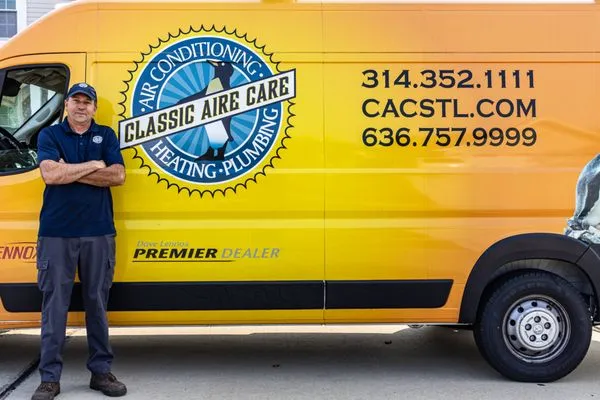
Classic Aire Care
Classic Aire Care is a distinctive St. Louis service provider, formed by the consolidation of several well-known local HVAC and plumbing businesses like Ryan Heating and Donahue Heating. Operating und...
Advanced Plumbing Pros has been providing reliable plumbing services to Saint Louis residents and businesses for over 20 years. As a licensed plumbing service, we offer comprehensive solutions includi...

Hoffmann Brothers
Hoffmann Brothers is a family-owned and operated company proudly serving Brentwood and the greater St. Louis area. Founded in 1988 by Robert Hoffmann, a University of Missouri Rolla graduate and regis...
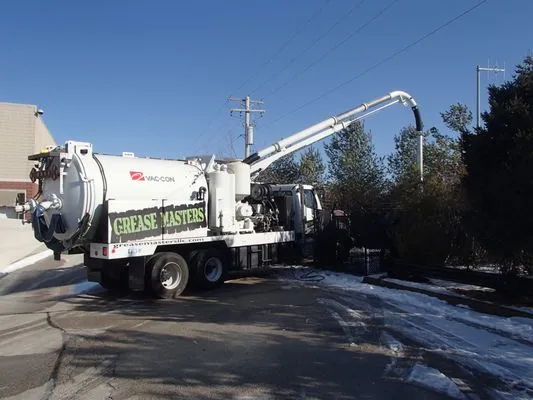
Grease Masters
Grease Masters is a Saint Charles-based plumbing and commercial cleaning service built on over two decades of hands-on expertise. Founded by John, the company has grown from a one-person operation int...

Right Now Plumbing is a 4th-generation, family-owned business that has been a trusted fixture in the St. Louis community since 1992. With over 25 years of hands-on experience, our team of licensed pro...
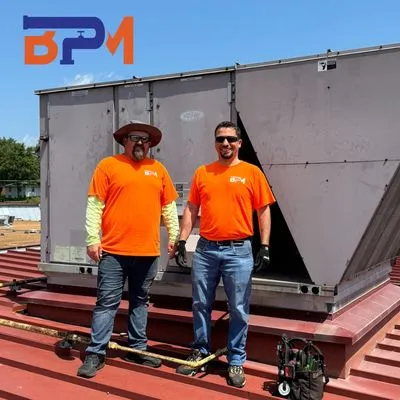
Bieg Plumbing & Mechanical
Bieg Plumbing & Mechanical has been a trusted name in St. Louis since 1960. Originally founded as Bieg Plumbing Company, we began with a simple mission to provide reliable plumbing services to our com...
PS Rapp Sewer & Plumbing
PS Rapp Sewer & Plumbing is a family-owned plumbing and remodeling service that has been serving the St. Louis area since 1975. With over 43 years of ownership by Cecilia, the company is deeply rooted...
Luttrell Plumbing has been serving the Sainte Genevieve community as a full-service residential and commercial plumbing company. We handle everything from routine maintenance like plumbing inspections...
Hoffmann Brothers
For over 40 years, Hoffmann Brothers has been the trusted plumbing resource for families and businesses across the greater St. Louis area. Our experienced plumbers provide a comprehensive range of ser...
Estimated Plumbing Costs in Shiloh, IL
Questions and Answers
If I have a plumbing emergency in Shiloh, how quickly can a plumber typically get here?
Heading past Scott Air Force Base on I-64 puts me on the main artery into Shiloh and the surrounding neighborhoods. Barring unusual traffic, that route allows for a 20 to 30 minute response window from dispatch. For true emergencies like a major leak, I prioritize direct routing to minimize water damage, often coordinating an ETA by phone before I've even left the shop.
What's the most important thing to do for my plumbing before winter in Shiloh?
Our temperate climate sees lows around 22°F, but the real risk comes during the rapid freeze-thaw cycles of late winter and early spring. A critical pro-tip is to disconnect and drain your garden hoses every fall and shut off the interior valve to the outdoor spigot. An overlooked hose left connected traps water in the bib, which freezes, expands, and splits the pipe inside your wall, leading to a major leak when it thaws.
What permits are needed for a water heater replacement in Shiloh, and who handles that?
The Village of Shiloh Building Department requires a permit for water heater replacement to ensure the installation meets current code, including proper pan, drainage, and expansion tank requirements. As a licensed master plumber, I pull that permit and schedule the required inspection on your behalf. I also maintain credentials with the Illinois Department of Public Health, so I handle all the red tape; you just get a system that's safe, legal, and signed off.
As a homeowner in suburban Shiloh, what should I know about my connection to the village water system?
Your service lateral—the pipe running from the village main to your meter—is your responsibility. While municipal pressure is generally consistent, the connection point at the main or the curb stop can develop leaks after 25 years. Furthermore, though less common than in older urban areas, tree roots from mature landscaping can still find their way into joints or cracks in this lateral, requiring professional clearing or repair.
How does our Mississippi River water affect my home's plumbing appliances?
Water sourced from the Mississippi is notoriously hard, meaning it carries a high load of dissolved calcium and magnesium. Inside your water heater, these minerals precipitate out as rock-like scale, coating the heating elements and tank lining. This drastically reduces efficiency, increases energy bills, and shortens the appliance's lifespan. You'll also see scale buildup aerating showerheads and faucets, reducing flow.
Why are my copper pipes from 2000 suddenly springing pinhole leaks?
Copper pipes installed around the year 2000 are now susceptible to a process called Type 1 pitting corrosion. Our hard water accelerates this, where minerals create a concentrated, acidic environment that eats through the pipe wall from the inside. The leaks typically manifest as small, sporadic drips, often on horizontal hot water runs or at solder joints that have become galvanically active over decades.
Our house in Three Springs was built around 2000. What kind of plumbing problems should I be watching for now?
Copper plumbing from that era is hitting the 25-year mark, a common timeframe for issues to surface. Homeowners here are starting to see pinhole leaks, particularly in hot water lines where the copper has thinned from years of thermal expansion and our mineral-rich water. These leaks often appear first as greenish-blue corrosion spots on pipe fittings or as unexplained moisture in cabinet bases. Addressing them early prevents the more extensive wall and floor damage that can follow.
Could the flat land around Scott Air Force Base be causing my slow drains?
The generally plain terrain here lacks the natural gravitational slope needed for optimal drainage. Over time, this can lead to low spots or bellys developing in your main sewer line, where waste and solids settle and accumulate. While not always visually apparent, this subsurface stress is a common culprit for recurrent slow drains or backups in area homes, as the pipe's effective diameter is reduced.
