Top Emergency Plumbers in Shelbyville, IL, 62565 | Compare & Call

There are 10 plumbing companies server in Shelbyville IL

For over a decade, Booker Brothers Plumbing Heating & Electrical has been the trusted local provider for Sullivan, IL, homeowners. We understand the specific plumbing challenges our neighbors face, fr...
CJC Plumbing is a trusted, full-service plumbing company serving Teutopolis and the surrounding Effingham County area. As a local, family-operated business, we understand the specific challenges homeo...
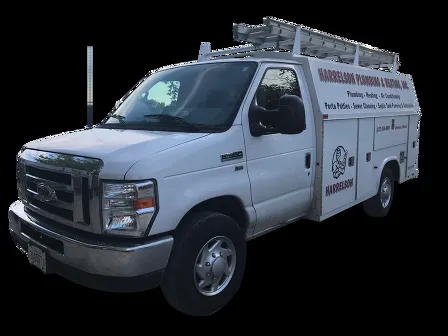
Harrelson Plumbing & Heating
Harrelson Plumbing & Heating is a trusted, family-owned business serving Mattoon, Charleston, and the surrounding communities for over three decades. Founded on the principle of reliable, expert servi...
Edwards Plumbing & Septic is a trusted, local plumbing and septic service provider proudly serving Vandalia, IL, and the surrounding communities. We are a family-owned and operated business dedicated ...
C-U HVAC, Plumbing & Electric
C-U HVAC, Plumbing & Electric is a trusted provider of comprehensive home services in Champaign, Illinois, and the surrounding Central Illinois region. Founded by Ryan, who brings over 20 years of con...
A & R Mechanical Contractors Inc
A & R Mechanical Contractors Inc has been serving Urbana, IL, and surrounding communities since 1925, providing reliable plumbing, HVAC, and mechanical services. With deep roots in the local area, we ...
Clark Dick Plumbing is your trusted local plumbing expert serving Shelbyville, IL, and the surrounding communities. With years of experience addressing the specific plumbing challenges common in our a...
Alday Plumbing & Heating is a trusted, locally-owned plumbing service in Shelbyville, IL, dedicated to keeping homes safe and functional. We specialize in thorough plumbing inspections to identify and...
Calantoni Plumbing is Shelbyville's trusted local plumbing expert, dedicated to keeping your home's water systems running smoothly. We understand the common plumbing headaches many Shelbyville residen...
Magic Fingers is a trusted plumbing service in Shelbyville, IL, dedicated to helping homeowners tackle common local plumbing challenges like broken shutoff valves and frozen pipes. We specialize in th...
Estimated Plumbing Costs in Shelbyville, IL
Questions and Answers
Why are so many homes in Downtown Shelbyville having plumbing problems lately?
Galvanized steel pipes installed around 1955 are now 71 years old. At this age, the zinc coating has completely worn away, leaving bare steel exposed to constant water contact. Homeowners are seeing rust-colored water, reduced pressure from mineral buildup inside pipes, and frequent leaks at threaded joints. This timeline matches the original construction boom in our historic neighborhoods.
How quickly can a plumber reach my home near Lake Shelbyville?
Heading past Lake Shelbyville on Illinois Route 128, most service calls take 20-30 minutes from dispatch. That route provides direct access to residential areas while avoiding congested downtown traffic during peak hours. We monitor local conditions and adjust routes for weather or construction delays.
What causes those small leaks in older Shelbyville home pipes?
Galvanized steel pipes from the 1950s develop pinhole leaks due to internal corrosion. As the protective zinc layer deteriorates, oxygen in the water attacks the steel, creating weak spots that eventually perforate. These leaks often appear first near joints where dissimilar metals meet, or where pipes have been disturbed during previous repairs.
What should I do before spring thaw to prevent plumbing emergencies?
Before temperatures drop to our 18°F lows, disconnect and drain outdoor hoses, then shut off exterior faucets from inside. Insulate pipes in unheated crawl spaces and garages. During spring thaw, check for new drips or moisture around pipes as ground movement can stress old joints. A slow drip now often becomes a major leak after freeze-thaw cycles.
Does Lake Shelbyville water damage home plumbing systems?
Water drawn from Lake Shelbyville contains high mineral content that creates hard water scale. This calcium and magnesium buildup accumulates inside water heaters, reducing efficiency by 30-40% over five years. Fixtures develop reduced flow, and dishwasher and washing machine lifespans shorten due to mineral deposits on heating elements and valves.
Who handles permits for plumbing work in Shelby County?
Shelby County Building and Zoning Department issues local permits while Illinois Department of Public Health sets code standards. As a licensed master plumber, I submit all required paperwork, schedule inspections, and ensure work meets current IPC amendments. Homeowners avoid dealing with multiple agencies when I coordinate the entire compliance process.
How does the flat land around Lake Shelbyville affect my home's drainage?
The plain terrain lacks natural slope for proper drainage, causing water to pool around foundations during heavy rains. This saturated soil puts constant pressure on main sewer lines, leading to joint separation in older clay pipes. Homes near the lake may experience backflow during peak rainfall when the water table rises above drainage system capacity.
Are septic systems common for homes outside Downtown Shelbyville?
Rural properties around Shelbyville typically use septic systems with well water. These require different maintenance than municipal connections—septic tanks need pumping every 3-5 years depending on household size, and well pumps should be checked annually for pressure switch operation. Hard water from wells accelerates scale buildup in water softeners and appliances.
